
 Worksheets
PHY3201_G1_Chemical Bonding
Total questions: 36
Worksheet time: 25mins
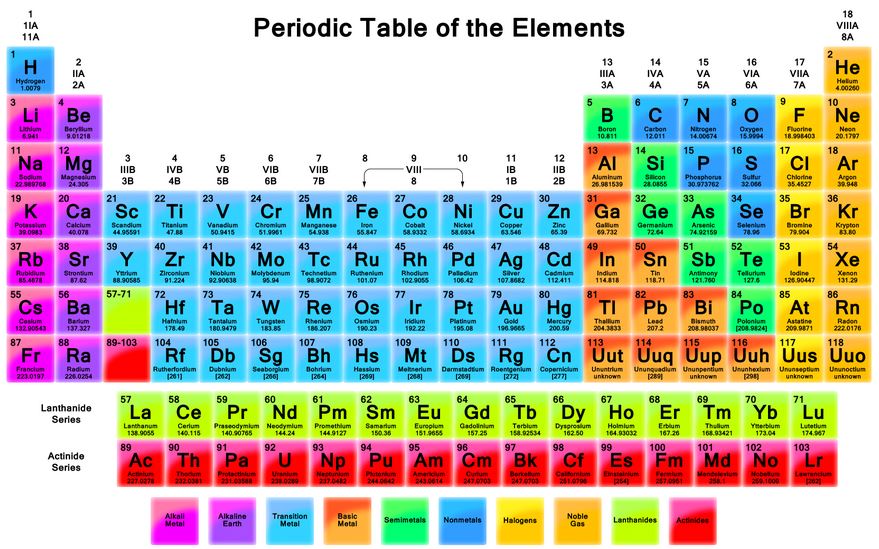
Is H2O2 an element or a compound?
element
compound
After a chemical reaction occurs, atoms are not created nor destroyed,
just rearranged into a new substance
just changed into different elements
just turned into unstable elements
Compounds that share specific valence electrons are formed by
covalent bonds
ionic bonds
metallic bonds
all types of bonds
14. How would I know if an element was a metal or nonmetal?
Periodic Table
Internet
Ask Teacher
all of the above
20. If I was trying to determine if two atoms will bond, what would be helpful to know:
Valence electrons, found by group number
Whether the elements are metals or nonmetals
The electronegativity of the atoms
All of the above, all of which can be found on the Periodic Table
When bonds form...
Electrons from the innermost shell interact
The bonds can never be broken
Energy is absorbed by atoms
Energy is released by atoms
Which of these is NOT a chemical bond?
Ionic bond
Covalent bond
Metallic bond
Molecule bond
Metal atoms drift free from one side to another forming a ____________________________
sea of electrons
sea of ions
sea of molecules
sea of compounds
What is true about ionic compounds
Its made of charged atoms but it is neutral
Its chemical formula makes a molecule
formula unit give the number of ions in a crystal
chemical formula gives number of ions in a molecule
Which of the following occurs in an ionic bond
two atoms share electrons
oppositely charged ions attract
like-charged ions attract
a sea of electrons bound positive nuclei together
Under what conditions do ionic compounds conduct electricity?
only when they are in crystal form
only when melted
only when melted or dissolved in water
only when dissolved
Most ionic compounds
are crystalline solids at room temperature
conduct electricity in the solid state
have low melting points
are made of two nonmetal elements
Which of the following describes covalent bonds?
Bonds form because of opposite charges
electrons are shared to fill outer electron shells
Electrons are transferred between atoms
Covalent bonds are magical
Coulomb's Law helps identify the strength of the bond.
Ionic
Covalent
Both

A mixture of two or elements at least one of which is a metal is called
an ion
an alloy
steel
a crystal
Ionic compounds are held together by
intermolecular forces
electrostatic forces
magnetic forces
nuclear forces
Which compound is held together by electrostatic forces?
NO2
CaSO4
Aluminum
P4O10
Which compound would have a very low melting point?
sodium chloride
copper (II) sulfate
sulfur dioxide
aluminum
Which solid would be a good conductor?
sodium chloride
copper (II) sulfate
glucose
aluminum
What is the basis of hydrogen bond?
Attraction forces between hydrogen atom bonded with another hydrogen atom
Attraction forces between hydrogen atom bonded with a high electronegativity atom (F, O, N)
Attraction forces between hydrogen atom bonded with a high electronegativity atom (F, O, N) with atom (F, O, N) of another molecule
Attraction forces between hydrogen atom with another hydrogen atom of another molecule
When hair is dry, protein molecules in the hair structure form hydrogen bonds with...
other protein molecules in the same hair structure
water molecules, H2O
other protein molecules from another hair structure
water molecules, H2O which also forms hydrogen bonds with protein molecules from another hair structure
When hair is wet, protein molecules in the hair structure form hydrogen bonds with...
other protein molecules in the same hair structure
water molecules, H2O
other protein molecules from another hair structure
water molecules, H2O which also forms hydrogen bonds with protein molecules from another hair structure
How can hydrogen bonds form between cellulose in paper and water molecule, H2O on the finger?
By pouring a bucket of water on the paper
Water molecules, H2O on the wet finger will form hydrogen bonds with cellulose in paper
Why can compounds that can form hydrogen bonds have higher boiling points than compounds that cannot form hydrogen bonds?
Compounds that can form hydrogen bonds need to overcome weak Van der Waals attraction forces
Compounds that can form hydrogen bonds need to overcome strong hydrogen bonds
Compounds that can form hydrogen bonds need to overcome weak Van der Waals attraction forces and strong hydrogen bonds
If van der Waals' forces hold the layers of graphite together, why does it have a high melting point?
The large surface area of the graphite layers make the van der Waals' forces strong.
The carbon atoms within the layers are held together by strong covalent bonds.
Which of the following statements about hydrogen bromide are correct?
(1) Atoms within its molecules are held together by covalent bonds.
(2) Its molecules are held together by van der Waals’ forces.
(3) Its molecules are held together by hydrogen bonds.
(1) and (2) only
(1) and (3) only
(2) and (3) only
(1), (2) and (3)

