wayground logo

Free Printable Worksheets

NEW

Font size

S
M
L
XL
Worksheets

Weather 1-6 Review

Total questions: 62

Worksheet time: 38mins

Name
Class
Date
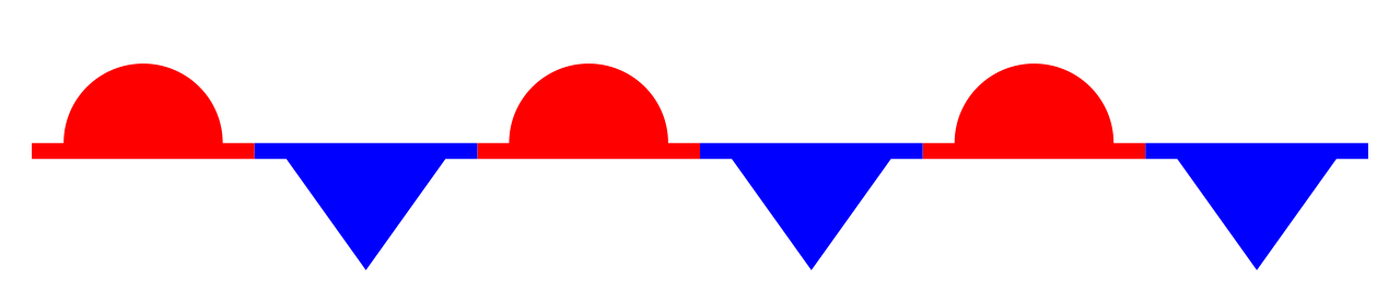
1.
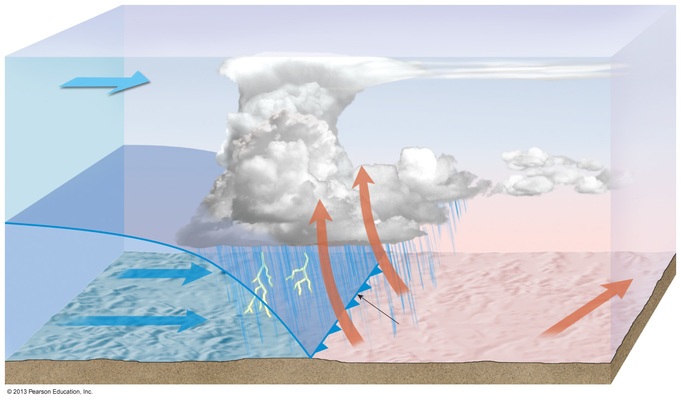
This symbol represents what type of front?
a)
cold front
b)
warm front
c)
stationary front
d)
occluded front
2.
What type of storm front is this? 
a)
warm front
b)
cold front
c)
stationary front
d)
occluded front
3.
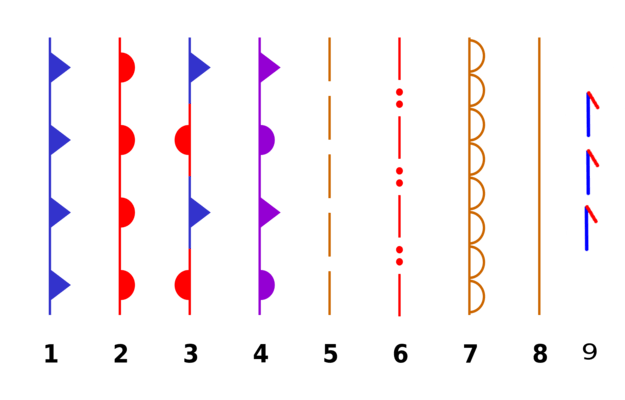
What does symbol # 3 mean?
a)
stationary front
b)
occluded front
c)
warm front
d)
cold front
4.
A front is
a)
where warm air is cooling at earth's surface
b)
a line where hot and cold air are separating
c)
a line where two different air masses meet
d)
where cold air is rising and forming rain clouds
5.
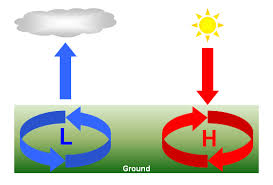
Which most likely produces clear, cool weather?
a)
zero air pressure
b)
stable air pressure
c)
a low pressure system
d)
a high pressure system
6.
_____________ air is more dense and tends to sink
a)
cold
b)
warm
c)
moist
d)
dry
7.
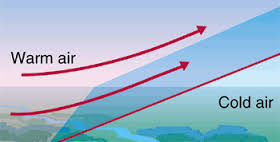
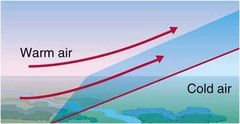
Which type of front is pictured?
a)
Cold front
b)
Warm front
c)
Occluded front
d)
Stationary front
8.
What symbol is this?
a)
warm front
b)
cold front
c)
stationary front
d)
occluded front
9.
Which system results in rainy or stormy weather?
a)
high pressure
b)
low pressure
c)
hurricane
d)
weather system
10.
Which system results in drier, fairer weather?
a)
high pressure
b)
low pressure
c)
hurricane
d)
weather system
11.
Which type of front is associated with purple humps and triangles facing the same direction?
a)
Cold
b)
Warm
c)
Stationary
d)
Occluded
12.
How are fronts formed?
a)
When two air masses meet
b)
when two winds meet
c)
when two clouds meet
13.

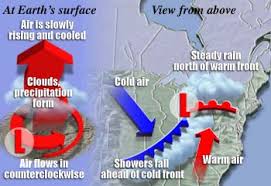
What type of front is shown?

a)

Warm Front

b)

Cold Front

c)

Occluded Front

d)

Stationary Front

14.

When a warm front occurs, what type of weather does it bring?

a)

thunderstorms

b)

warm and clear

c)

hail

d)

clouds and long rains

15.

Which front is there little movement?

a)

warm front

b)

cold front

c)

occluded front

d)

stationary front

16.

What happens when two air masses meet?

a)

a hurricane occurs

b)

a dog barks

c)

a front is created

d)

warm air enters

17.

What kind of front results in thunderstorms?

a)

warm front

b)

cold front

c)

occluded front

d)

stationary front

18.

Which front is in this picture?

a)

Warm front

b)

Cold front

c)

stationary front

d)

occluded front

19.

What is the name this front?

a)

warm front

b)

cold front

c)

stationary front

d)

occluded front

20.

Which front does this show?

a)

cold front

b)

warm front

c)

stationary front

d)

occluded front

21.

An air mass has similar

a)

temperature and moisture

b)

cold and wind

c)

rain and temperature

d)

warm and dry

22.

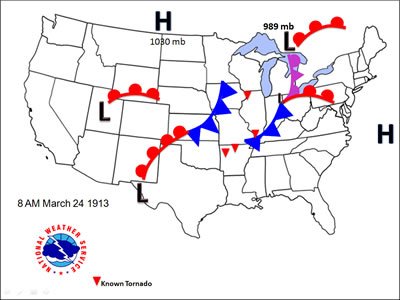
What type of front is over Texas?

a)

warm front

b)

cold front

c)

stationary front

d)

occluded front

23.

What type of front is over Ohio?

a)

Warm front

b)

Cold front

c)

Occluded front

d)

Stationary Front

24.
In a high pressure systems
a)
there are few clouds because the air in moving downward
b)
there are many clouds because the air is very humid
c)
there are few clouds because the air is moving outward
d)
there are many clouds because the air is moving upward
25.
When I cold front is approaching, what happens?
a)
warm air is pushing under cold air causing humid weather and lower temperatures
b)
warm air is pushing under cold air causing humid weather and higher temperatures
c)
warm air rises, cools, and causes rain and thunderstorms
d)
cold air is pushed over warm air causing rain and thunderstorms
26.
If an air mass is rising, it must be
a)
cold and less dense
b)
cold and more dense
c)
warm and more dense
d)
warm and less dense
27.
If an air mass is sinking, it must be
a)
cold and less dense
b)
cold and more dense
c)
warm and more dense
d)
warm and less dense
28.
When two air masses meet, what happens?
a)
The weather changes and precipitation usually occurs.
b)
wind
c)
water
d)
volcano
29.
What does this symbol on a weather map indicate? 
a)
High pressure system
b)
Low pressure system
c)
Cold front
d)
Warm front
30.
What does this symbol on a weather map indicate? 
a)
High pressure system
b)
Low pressure system
c)
Cold Front
d)
Warm Front
31.
Winds are caused by differences in 
a)
precipitation
b)
humidity
c)
air pressure
d)
turbulance
32.

Which variable is NOT weather related?

a)

humidity

b)

evaporation

c)

wind direction

33.

_____________________is precipitation that reaches Earth’s surface as frozen water crystals.

a)

Snow

b)

Hail

34.

A(n) ________________________is an instrument that measures air pressure.

a)

sleet

b)

barometer

35.

The amount of water vapor in the air is known as_____________________ .

a)

humidity

b)

thermometer

36.

The temperature at which the relative humidity is 100 percent is_________________________ .

a)

dew point

b)

anemometer

37.

________________________is solid precipitation that forms in repeated updrafts within a cloud.

a)

Snow

b)

Hail

38.

What is humidity?

a)

Water, in liquid or solid form, that falls from the atmosphere.

b)

The atmospheric conditions, along with short-term changes, of a certain place at a certain time.

c)

The amount of water vapor in the air.

d)

The force that a column of air applies on the air or a surface below it.

39.

________________ is the pressure that a column of air exerts on the surface below it.

a)

Air pressure

b)

Dew point

c)

Precipitation

d)

Condensation

40.

Which of the following is not a variable used to describe the weather?

a)

Humidity

b)

Temperature

c)

Altitude

d)

Wind speed

41.

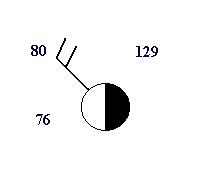
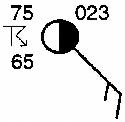
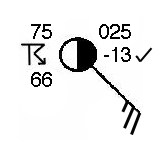
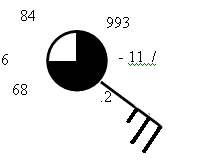
What is the temperature for the following station model?

a)

4 ºF

b)

76 ºF

c)

80 ºF

d)

129 ºF

42.

What is the dewpoint for the following station model?

a)

10 ºF

b)

23 ºF

c)

65 ºF

d)

75 ºF

43.

What is the present weather for the following station model?

a)

rain

b)

thunderstorms

c)

drizzle

d)

fog

44.

What is the wind direction for the following station model?

a)

north

b)

east

c)

northwest

d)

northeast

45.

What is the wind speed for the following station model?

a)

10 knots

b)

15 knots

c)

20 knots

d)

25 knots

46.

What is the amount of cloud cover for the following station model?

a)

25%

b)

50%

c)

75%

d)

100%

47.
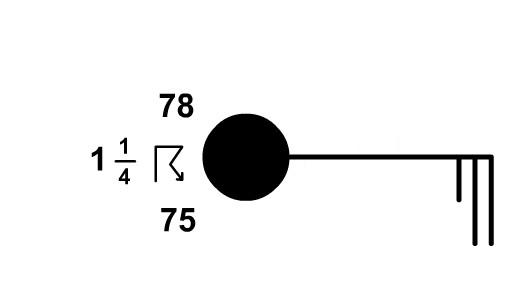
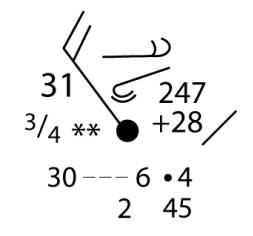
What is the wind speed at this station
a)
3 knots
b)
15 knots
c)
25 knots
d)
30 knots
48.

What is the wind direction

a)

Northeast

b)

Northwest

c)

Southeast

d)

Southwest

49.
What is the cloud coverage at this station?
a)
Not cloudy
b)
Partially cloudy
c)
Overcast
d)
Stormy
50.
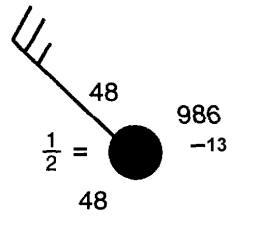
What is the wind speed at this weather station
a)
2 knots
b)
10 knots
c)
20 knots
d)
25 knots
51.
What is the dew point at this station?
a)
75 degrees
b)
61 degrees
c)
987 degrees
d)
11 degrees
52.

Why do meteorologists use station models?

a)

Because they like to be on TV

b)

Because they are professional models

c)

Because they don't like to read

d)

Because they are easier to read

53.
Which type of air would you find at air mass D?
a)
cold, dry
b)
warm, humid
c)
warm, dry
d)
cold, humid
54.
Which type of air would you find at air mass B?
a)
cold, dry
b)
warm, humid
c)
warm, dry
d)
cold, humid
55.
Which type of front is displayed?
a)
Cold
b)
Warm
c)
Stationary
d)
Occluded
56.
A low pressure system will bring what type of weather into an area?
a)
clear skies
b)
fair weather
c)
clouds / precipitation
d)
lots of sunshine
57.
A high pressure system will bring what type of weather into an area?
a)
clouds
b)
clear skies
c)
precipitation
d)
thunderstorms
58.

Which condition is associated with MOST warm fronts?

a)

cloud formations bringing steady precipitation

b)

violent air mass collisions

c)

low temperatures

d)

tornado formations

59.

What type of weather does a Low Pressure system bring?

a)

happy, sunny clear weather

b)

lousy, cold, rainy weather

c)

lightning

d)

rainbows and unicorns

60.

What type of weather does a high pressure system bring to an area?

a)

happy, sunny clear weather

b)

lousy, cold, rainy weather

c)

fog, lots of fog

d)

lightning

61.

Warm air can hold ______________________ moisture (water) than cool air.

a)

more

b)

less

c)

the same amount of

62.

Cold air can hold ______________ moisture (water) than warm air.

a)

more

b)

less

c)

the same amount of