
 Worksheets
8H STC Earth and atmosphere
Total questions: 53
Worksheet time: 29mins
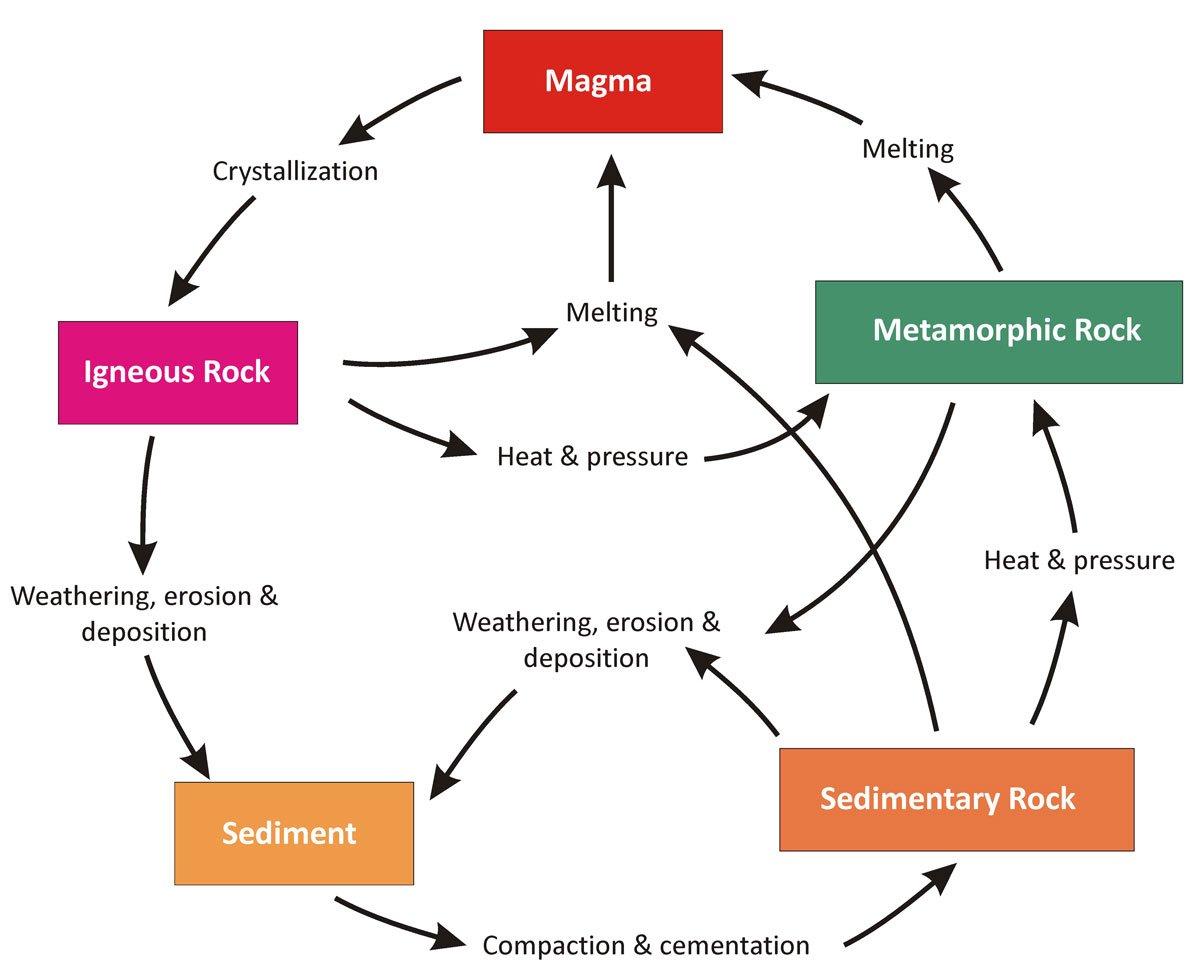
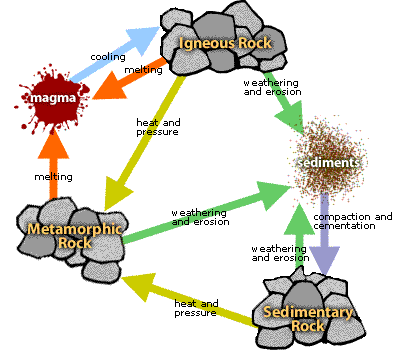
A rock deep within the Earth experiences extreme temperature and pressure. After a long period of time it becomes which rock?
Magma
Igneous
Metamorphic
Sedimentary
Rocks and sediment change as they move through the rock cycle. Which change involves turning into melting?
Lava to rock
magma to lava
rock to magma
rock to sediment
What must happen to a metamorphic rock before it becomes a sedimentary rock rock?
It must be broken down into sediment
It must be melted into magma
Its minerals must dissolve in water
It must be exposed to high temperature and pressure

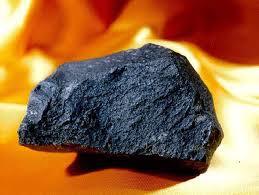
This rock is formed in layers.
Sedimentary
Igneous
Metamorphic

Fossils are often found in this rock.
Sedimentary
Igneous
Metamorphic
This rock is often found near water.
Sedimentary
Igneous
Metamorphic
You would most likely find this rock near a volcano.
Sedimentary
Igneous
Metamorphic

What kind of rock is "Granite"?
Sedimentary
Igneous
Metamorphic

What kind of rock is "Marble"?
Sedimentary
Igneous
Metamorphic

What kind of rock is "Limestone"?
Sedimentary
Igneous
Metamorphic

What kind of rock is "Sandstone"?
Sedimentary
Igneous
Metamorphic

What kind of rock is "Basalt"?
Sedimentary
Igneous
Metamorphic
This rock is usually made up of pieces of rock called sediments that have been pressed and cemented together.
Sedimentary
Igneous
Metamorphic





Carbon dioxide is a:
compound
element
mixture
molecule
The processes that return carbon dioxide into the atmosphere are:
combustion
decomposition
photosynthesis
respiration
What is the percentage composition of nitrogen in air?
78%
75%
86%
__________________ is the most important gas in the composition of air.
Nitrogen
Argon
Oxygen
______________ is a combustible gas.
Nitrogen
Oxygen
Argon
_______________ is one of the most abundantly found gases on earth.
Oxygen
Carbon dioxide
Nitrogen
Plants use ________________ for photosynthesis.
Chlorine
Nitrogen
Carbon dioxide
______________ ______________ is produced when fuels containing sulfur are burned in the presence of oxygen.
Carbon dioxide
Sulfur dioxide
Carbon monoxide
Greenhouse gas
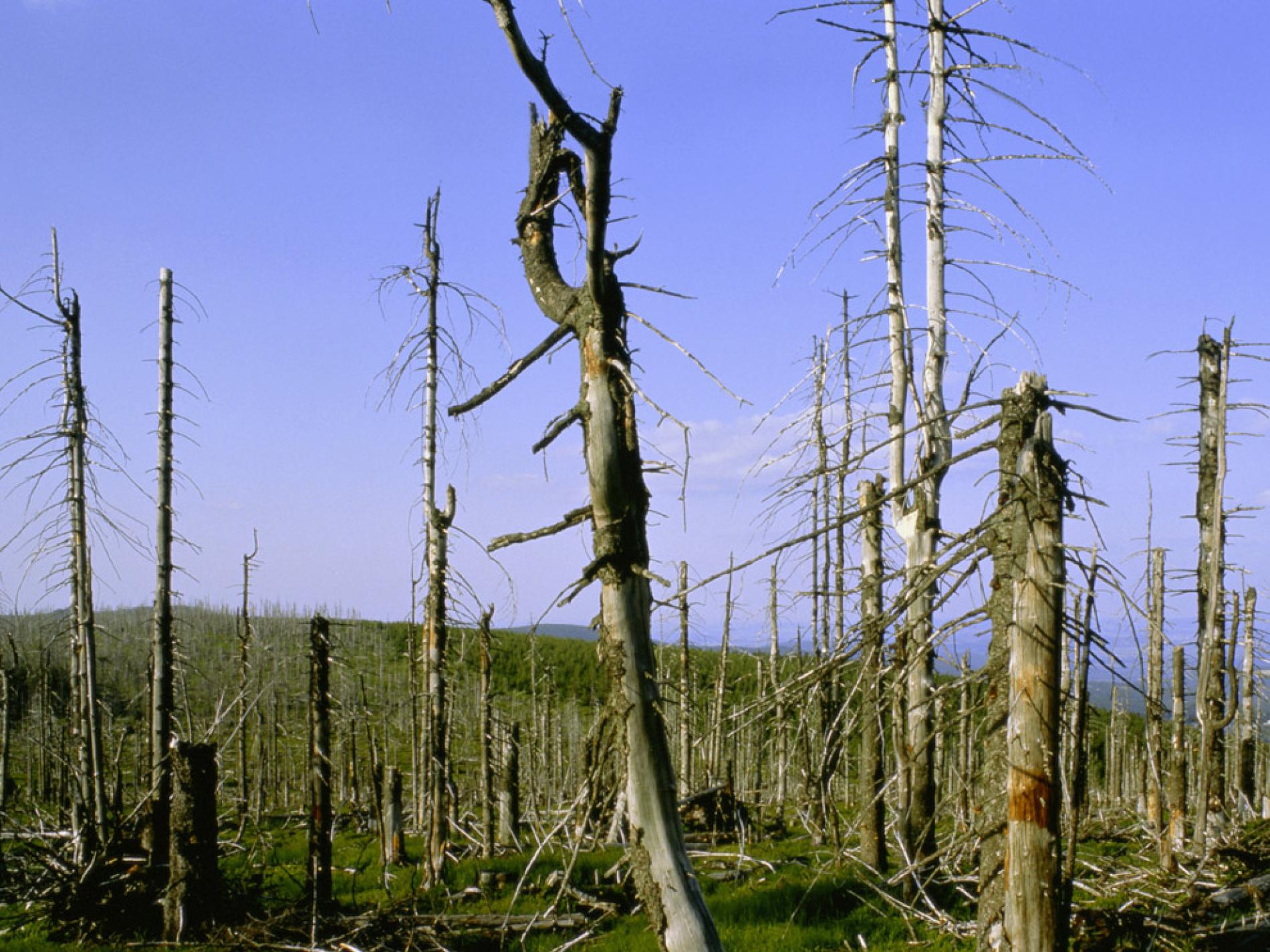
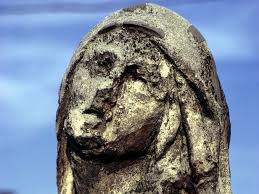
Which is a MAJOR cause of acid rain?
spraying pesticides on crops
burning fossil fuels for energy
dumping sewage in rivers
using Nuclear power stations
True or false. Acid rain caused in one country can cause problems in other nearby countries
true
false
Which is a result of human activities?
decay of leaves in a forest
acid rain kills fish in a lake
volcanic eruptions
bad weather
Which does NOT cause acid rain?
erupting volcanoes
burning fossil fuels - coal, oil, gas
electric cars
car engines
Which is a MAJOR cause of acid rain?
spraying pesticides on crops
burning fossil fuels for energy
dumping sewage in rivers
using Nuclear power stations
Which of the following gases does not trap heat?
A. Carbon dioxide
B. Nitrogen
C. Water vapor
D. Methane
Earth has recorded _______________ temperatures in the past than it is today.
warmer
cooler
the same

Global warming is the term used to describe the RISING of the average temperature on Earth.
True
False

Global Warming is MAINLY caused by...
...the Sun
...the Greenhouse Effect.

The Greenhouse Effect happens when the HEAT cannot escape the Earth.
True
False

The Greenhouse Effect happens because people cause pollution, and, therefore, Carbon Dioxide.
True
False

Oil and gas produce huge clouds of Carbon Dioxide into the atmosphere.
True
False

Deforestation is another cause of global warming.
True
False

Trees help the Earth because...
...they absorb huge amounts of Carbon Dioxide (CO2) from the air and release oxygen back into it.
...they absorb huge amounts of oxygen from the air and release Carbon Dioxide (CO2) back into it.

