
NEW
Font size
 Worksheets
Body systems 1
Total questions: 35
Worksheet time: 5hrs 54mins
Arteries carry oxygen rich blood away from the heart.
True
False
Veins carry oxygen poor blood back to the heart.
False
True
The heart is about the size and shape of your . . .
head
fist
hand
foot
The FREQUENCY of heart contractions is...
heart rate
blood pressure
respiratory rate
voluntary muscle contraction

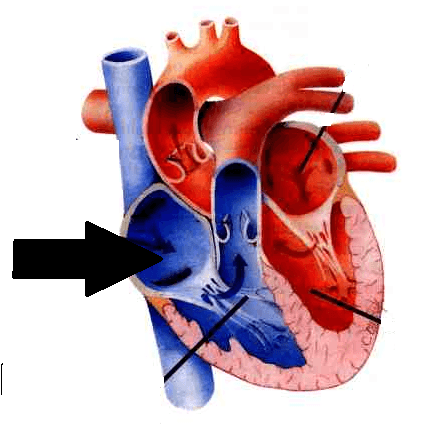
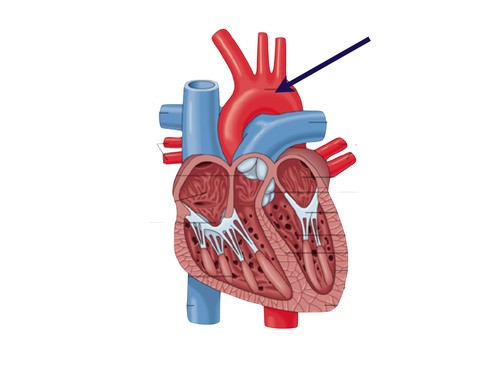
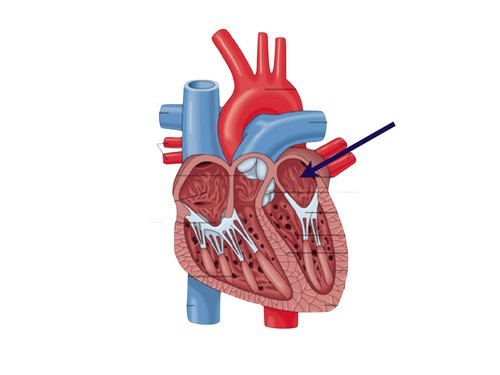
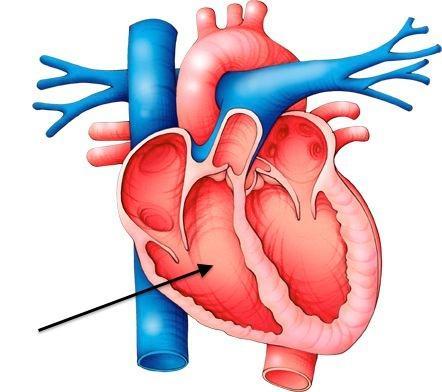
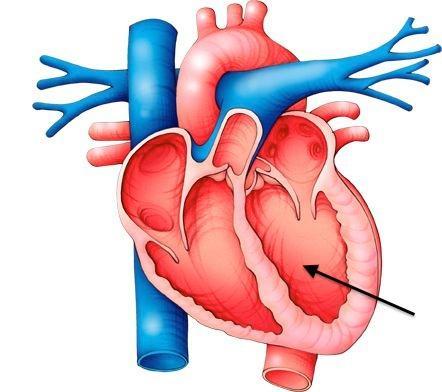
This chamber of the heart RECEIVES oxygen rich blood back from the lungs
Right Atrium
Left Atrium
Right Ventricle
Left Ventricle
This chamber of the heart pumps the blood from the heart to the lungs through the pulmonary artery
Right Atrium
Left Atrium
Right Ventricle
Left Ventricle
This chamber of the heart pumps the blood back out to the body cells through the Aorta
Right Atrium
Left Atrium
Right Ventricle
Left Ventricle
All of the following are functions of blood except:
Transportation of oxygen and carbon dioxide.
Regulation of body temperature.
Synthesis of vitamins.
Defense against infection.
What protects the body against blood loss?
Clots formed by clusters of leukocytes.
Clots formed by platelets and blood proteins.
Masses of erythrocytes and erythrocyte fragments.
Constriction of capillaries in the damaged area.
The two primary components of whole blood are:
Serum and cells.
Plasma and cells.
Cells and dissolved proteins.
Blood cells and cell fragments.
What are the blood cells?
Erythrocytes, leukocytes, and platelets.
The buffy coat and plasma proteins.
Blood cells, cell fragments, and plasma.
All compounds synthesized by the blood.
The most abundant compound in blood plasma, accounting
for about 92% of the total volume, is:
Oxygen
Gamma-globulin
Sodium chloride
Water
What ensures the unidirectional flow of blood through the
heart?
Constant pressure generated by the heart contractions.
Valves within the heart that prevent backflow of blood.
Squeezing action of smooth muscle tissue in arterial walls.
Continuous osmotic outflow of plasma from capillaries.
The ____________ carries blood throughout the body;
the ____________ carries blood only to and from the
lungs.
systemic circuit; pulmonary circuit
pulmonary circuit; systemic circuit
venous circulation; arterial circulation
arterial circulation; venous circulation
The myocardium is composed of:
An outer fibrous layer and an inner serous layer.
Cardiac muscle tissue.
A simple squamous epithelium and a layer of areolar connective tissue.
As their name implies, the heart chambers that receive
blood returning through both circulatory circuits are called:
Auricles
Atria
Ventricles
Sinuses
All of the following are true of the left ventricle except:
Wall is typically 3 times thicker than that of right ventricle.
It is separated from left atrium by Mitral valve.
Aortic semilunar valve at superior end separates it from the aorta.
Receives deoxygenated venous blood from the left atrium.
Blood from the systemic circuit returns directly into which
heart chamber?
left atrium.
Right auricle.
Left auricle.
Right atrium.
The pulmonary trunk carries blood from which heart chamber into the pulmonary circuit?
Left atrium.
Right atrium.
Left ventricle.
Right ventricle.
Oxygenated blood returning from the lungs enters the left
atrium through:
The pulmonary arteries.
The pulmonary veins.
The coronary sinus.
All of the above.
From the right atrium, blood passes through the right AV
(tricuspid) valve into the:
Pulmonary trunk.
Left atrium.
Right ventricle.
Left ventri.cle
Regardless of the heart chamber, contraction is called ____________ and relaxation, ____________.
Diastole, systole.
Systole, diastole.
Fibrillation, defibrillation.
Defibrillation, fibrillation.
Which vessels have thin walls and small diameters that facilitate rapid diffusion of gases and nutrients between blood and body tissues?
Capillaries.
Arterioles.
Venules.
All of the above.
Valves in veins serve to:
Release excessive pressure to protect these thin-walled vessels.
Counteract the crushing force of surrounding skeletal muscles.
Prevent backflow of blood in the absence of high blood pressure.
Adjust blood pressure by compartmentalizing the venae cavae.
Compared with those of the systemic circulation, arteries of the pulmonary circulation:
Have lower blood pressure.
Have less elastic tissue.
Carry blood that contains less oxygen.
All of them.
The valves between the ventricles and the arteries are called:
Atrioventricular valves.
Mitral valves.
Semilunar valves.
All of them.

