wayground logo

Free Printable Worksheets

Font size

S
M
L
XL
Worksheets

UNIT 2 SPORTS AND NUTRITION

Total questions: 102

Worksheet time: 15hrs 52mins

Name
Class
Date
1.

How many calories per day are require for a normal person?

a)

1500-2000

b)

2000-2500

c)

2500-3000

d)

3000-3500

2.

Which of the following is not symptom of food intolerance?

a)

Headache

b)

vomitind

c)

stomachache

d)

happiness

3.

Which of the following Vitamin helps in preventing from heart attack?

a)

E

b)

A

c)

B

d)

C

4.

Which of the following disease is caused by lack of Vitamin C ?

a)

rickets

b)

scurvy

c)

Beri - beri

d)

diarrhea

5.

Which of the following food stuff contains almost all ingredients of a balance diet.

a)

eggs

b)

milk

c)

chicken

d)

fish

6.

The richest source of protein is:

a)

pulses

b)

groundnut

c)

soyabean

d)

Almonds

7.

Which of the following vitamin is not fat soluble.

a)

A

b)

D

c)

K

d)

C

8.

Which of the following food stuff contains almost all ingredients of a balance diet.

a)

eggs

b)

milk

c)

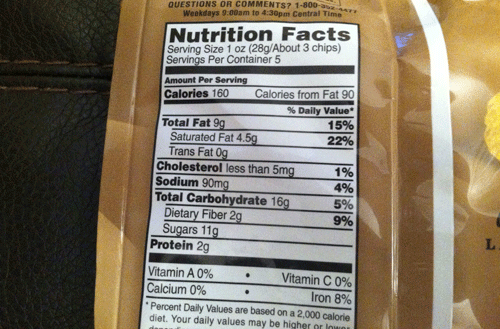
chicken

d)

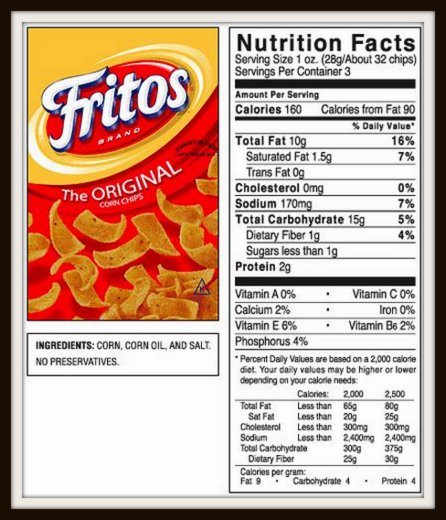
fish

9.

What is manufactured from Iron that we obtain from our diet?

a)

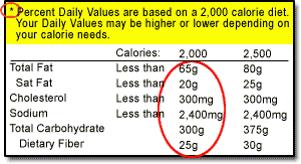
blood cells

b)

hemoglobin

c)

bone marrow

d)

protoplasm

10.

The food component present in sugar is...

a)

fats

b)

proteins

c)

vitamins

d)

carbohydrates

11.
Used by the body to help growth and repair.
a)
water
b)
vitamins
c)
minerals
d)
protein
12.
This nutrient is used to store energy, form cell membranes, insulate the body and protect internal organs.
a)
carbohydrates
b)
fats
c)
vitamins
d)
water
13.
If you consume more energy than you use you will: 
a)
lose weight
b)
put on weight
c)
stay the same weight
14.
To maintain fluid levels the body needs: 
a)
water 
b)
fibre 
c)
fats
15.
After training or performance an athlete needs carbohydrate and protein.
Carbohydrate helps refuel the body.
Protein helps.....
a)
Rehydrate the body
b)
Repair damaged muscle tissue
c)
Realign the spine
16.
Are protein supplements necessary?
a)
yes, protein is hard to get enough of.
b)
yes, they help you get an advantage
c)
no, they make you too agressive
d)
no, protein is easy to get from food
17.
Why does an athlete need to be careful about getting too much protein?
a)
can build too much muscle
b)
it can dehydrate you
c)
excess calories from fat
18.
Water is extremely important to your health because it
a)
makes us sweat
b)
gives us energy
c)
is vital in all of the bodies major functions
d)
is helps make our blood thicker so it can carry more oxygen
19.
The energy in food is measured in
a)
grams
b)
carbs
c)
calories
d)
percentages
20.
After training or performance an athlete needs carbohydrate and protein.
Carbohydrate helps refuel the body.
Protein helps.....
a)
Rehydrate the body
b)
Repair damaged muscle tissue
c)
Realign the spine
21.
Post event nutrition is
a)
What you eat before an event
b)
What you after an event
c)
What you eat during an event
22.
Why is carbohydrate good for sports performance?
a)
Because it helps produce energy quickly that can be used during performance.
b)
Because it helps the body produce more water
23.
What would be a good meal for an athlete to eat before training?
a)
Rice with chicken
b)
A pie with chips
c)
Jelly with iceream
24.
What is dehydration?
a)
Too much fluid in the body
b)
A lack of fluid in the body
25.
What is the most dominant source of fuel used by athletes?
a)
Protein
b)
Vitamins
c)
Minerals
d)
Carbohydrates
26.

The majority of the digestion process takes place in the stomach.

a)

True

b)

False

27.

A lack of water during exercise can lead to dehydration.

a)

True

b)

False

28.

The energy from food is measured in

a)

kilowatts (kW)

b)

kilometers (km)

c)

kiliograms (kg)

d)

kilocalories (kcal)

29.

What is meant by a balanced diet?

a)

Eating what your body wants for breakfast, lunch, and dinner.

b)

Eating more than you need to help the body recover after exercise.

c)

Eating the right amount of calories from all the food groups to provide nutrients for the body.

d)

Eating 50% protein and 50% Carbohydrates & Fats.

30.

A balanced diet is important because

a)

you can get into trouble if it is not balanced

b)

life is a balance

c)

the body needs nutrients for growth and hydration

d)

the body needs nutrients for energy and health

e)

your stomach needs to be filled or you will lose your balance

31.

Which of the following enzymes is responsible for the breakdown of carbohydrates during digestion?

a)

Lipase

b)

Amylase

c)

Pepsin

d)

Lactase

32.

Which of the following enzymes is responsible for the breakdown of protein during digestion?

a)

Pepsin

b)

Hydrolase

c)

Amylase

d)

Cellulase

33.

Which of the following enzymes is responsible for the breakdown of fats during digestion?

a)

Galactase

b)

Laccase

c)

Lactase

d)

Lipase

34.

The energy from food comes in three main forms, they are

a)

Proteins

b)

Enzymes

c)

Molecules

d)

Carbohydrates

e)

Fats

35.

The energy from carbohydrates is converted to a substance called

a)

gelatin

b)

glycogen

c)

glucan

d)

gluten

36.

No more than ________ of your energy should come from eating saturated fats.

a)

50 %

b)

40%

c)

20%

d)

10%

37.

All of the following sports performers can benefit from a rich protein diet except

a)

Rugby players

b)

Wrestlers

c)

Sprinters

d)

Gymnasts

38.

The main function of the digestive system is to

a)

process food faster.

b)

full the stomach.

c)

break down food.

d)

store food longer.

39.

The duodenum, jejunum, and ileum are found in which part of the digestive system?

a)

The stomach

b)

The esophagus

c)

The small intestine

d)

The large intestine

40.

When you participate in physical activities, your body requires extra energy. The amount of energy used will depend on

a)

the type of exercise you do

b)

the intensity level of the exercise

c)

the length of time you exercise for

d)

all of the above

41.

If an individual's daily calorie intake is equal to the number of calories used, they will

a)

lose weight

b)

gain weight

c)

maintain weight

d)

none of the above

42.

Which part of the digestive system passes food from the mouth to the stomach?

a)

The small intestine

b)

The large intestine

c)

The duodenum

d)

The esophagus

43.

The absorption of nutrients takes place in the small intestine.

a)

True

b)

False

44.

When food enters the large intestine, digestive enzymes are released.

a)

True

b)

False

45.

2. Which is the most important energy supply for the first few minutes in sports activities?

a)

A. Fat

b)

B. Protein

c)

C. Oxygen

d)

D. Water

e)

E. Carbohydrate

46.

5. Which is the main job of protein to support the body for activities?

a)

A. To provide meat for a person.

b)

B. To provide fat for a person.

c)

C. To provide water for a person.

d)

D. To provide energy for muscles.

e)

E. To repair and rebuild muscle that is broken down during exercises.

47.
Which of the following would be best to consume 20 minutes before competition? 
a)
An energy bar
b)
Gatorade
c)
Trail Mix
d)
Nothing
48.
Which of the following would be the best pre-game meal to eat 5-6 hours before a competition?
a)
Spaghetti and turkey meatballs
b)
Steak and eggs
c)
A doughnut
d)
Nothing but water
49.
Which of the following is NOT a "best" choice from the grains food group? 
a)
Granola bar made with oats
b)
Cheerios Cereal
c)
White Rice
d)
Whole Wheat Bread
50.
Which of the following nutrients is contained in 2% chocolate milk that makes it a good recovery drink? 
a)
Fat
b)
Protein
c)
Vitamin C
d)
Cholesterol
51.
In what time frame after exercise should a recovery meal be consumed? 
a)
5 minutes 
b)
15-60 minutes 
c)
3 hours 
d)
5 hours 
52.
If you are an athlete competing at an all day tournament, which food would be best to eat in between events? 
a)
Apple 
b)
Hot dog 
c)
Water only 
d)
Protein bar 
53.
Which breakfast food would provide your body with the most long-lasting energy? 
a)
Eggs 
b)
Bacon 
c)
Oatmeal 
d)
Gatorade 
54.
What is basal metabolic rate?
a)
amount of energy needed to maintain automatic body processes
b)
amount of energy needed to maintain automatic body processes and lose weight
c)
amount of energy the body uses for basal metabolism
d)
amount of calories the body requires for basal metabolism
55.
Which is not a type of carbohydrate?
a)
fat
b)
fiber
c)
starch
d)
sugar
56.
Which health problem is a consequence of eating too much added sugar?
a)
overweight
b)
heart disease
c)
diabetes
d)
all of the above
57.
Where do most Americans get their protein from?
a)
from animal sources
b)
from plant sources
c)
from beef
d)
from chicken
58.
Which is not a result of eating too much sodium?
a)
calcium loss
b)
increased risk of kidney stones
c)
tooth decay
d)
hypertension 
59.
How have portion sizes changed in recent years?
a)
They have decreased dramatically
b)
They have increased dramatically
c)
That have increased, then decreased
d)
none of the above
60.
To what degree does advertising influence food choices?
a)
it is a powerful influence
b)
it is not very influential
c)
it heavily influences children
d)
none of the above
61.
Which plant foods provide complete proteins?
a)
beans
b)
spinach
c)
soy
d)
none of the above
62.
What portion of your daily calories should come from fat?
a)
1/3
b)
1/8
c)
1/2
d)
1/4
63.
Typically, how many ounces of fluid should you drink for every 20 minutes of athletic activity?
a)
ten
b)
eight
c)
six
d)
twelve
64.
Are protein supplements necessary?
a)
yes, protein is hard to get enough of.
b)
yes, they help you get an advantage
c)
no, they make you too agressive
d)
no, protein is easy to get from food
65.
What is the most dominant source of fuel used by athletes?
a)
Protein
b)
Vitamins
c)
Minerals
d)
Carbohydrates
66.
After training or performance an athlete needs carbohydrate and protein.
Carbohydrate helps refuel the body.
Protein helps.....
a)
Rehydrate the body
b)
Repair damaged muscle tissue
c)
Realign the spine
67.
Fats are an essential component of the daily diet.
a)
True
b)
False
68.
Quick release energy is provided by: 
a)
carbohydrates 
b)
fats 
c)
proteins
69.
If you consume more energy than you use you will: 
a)
lose weight
b)
put on weight
c)
stay the same weight
70.
This nutrient is used to store energy, form cell membranes, insulate the body and protect internal organs.
a)
carbohydrates
b)
fats
c)
vitamins
d)
water
71.
The body's main source of energy.
a)
carbohydrates
b)
fats
c)
proteins
d)
vitamins
72.
Calories
a)
a unit of measurement used to measure food.
b)
chemical processes that occur within a living organism
c)
Loss or removal of water
73.
Dehydration
a)
reduced in fat, calories, or sodium
b)
Loss or removal of water
c)
a substance that provides nourishment essential for growth and the maintenance of life.
74.
How many calories are in water?
a)
2
b)
0
c)
3
d)
1
75.

What would be a good meal for an athlete to eat before training?

a)

Rice and Chicken

b)

Jelly and Ice cream

c)

Chips or Pretzels

d)

Water

76.

Post-Event nutrition is

a)

What you eat before the event

b)

What you eat after the event

c)

What you eat during the event

77.

3 main concepts of Post event nutrition are

a)

Redirect, Respond, Reheat

b)

Refuel, Rehydrate, Repair

c)

Refuel, Rehydrate, Reheat

d)

Refuel, Respond, Repair

78.

Post-Event meal should be eaten about 2-4 hours after the event

a)

True

b)

False

79.

Pre-Event meal should be eaten 3-4 hours before?

a)

True

b)

False

80.

During the event, what would be the best to consume?

a)

Fruits

b)

Muffin

c)

Eggs

d)

Anything with salt in it

81.
Most carbohydrates comes from _________sources.
a)
Plant
b)
Protein
c)
Animal
d)
Local
82.
Which nutrients provide energy  and calories for the body?
a)
Carbohydrates, minerals, vitamins
b)
Carbohydrates, minerals, water
c)
carbohydrates, proteins, vitamins
d)
carbohydrates, proteins, fats
83.
Needed in small amounts to help regulate body functions, fight off infections, and use other nutrients.
a)
carbohydrates
b)
protein
c)
vitamins
d)
water
84.
Used by the body to keep you hydrated, aid in digestion, cushion joints, and helps brain functions and focus.
a)
water
b)
minerals
c)
vitamins
d)
protein
85.
Plant or animal
a)
carbohydrates
b)
fats
c)
proteins
d)
vitamins
86.
Oatmeal, pasta, and cornbread
a)
fat
b)
protein
c)
vitamins
d)
carbohydrate
87.
whipped cream, mayonnaise, salad dressings
a)
carbohydrates
b)
fats
c)
proteins
d)
water
88.
Tofu, soy products, eggs, chicken
a)
carbohydrates
b)
water
c)
protein
d)
fat
89.
50% of your grains should be...
a)
white
b)
bread
c)
ceral
d)
whole grain
90.
A serving of meat is _____ cooked ounces.
a)
2
b)
3
c)
4
d)
8
91.
How many pop-tarts are in 1 serving?
a)
1
b)
2
c)
8
d)
unable to tell based on the information
92.
Which category of nutrients do the calories in Mountain Dew come from?  
a)
Fats
b)
Carbohydrates
c)
Proteins
d)
Nucleic Acids
93.
How many grams of total fat?
a)
10 g
b)
160 g
c)
15 g
d)
1.5 g
94.
Based on the food label, if I eat 9 potato chips, how many grams of protein would I be getting? 
a)
2 g
b)
4 g
c)
6 g
d)
8 g
95.
Based on the label, if I ate 32 chips, how much cholesterol would I consume 
a)
0
b)
10
c)
50
d)
120
96.
How much Total Fat is in two servings of these potato chips?
a)
8 g
b)
16 g
c)
0 mg 
d)
720 mg 
97.
Based on a 2,000 calorie diet, what is the total amount of fat is a person supposed to consume in a day?
a)
10 g
b)
150 g
c)
65 g
d)
80 g 
98.
Based on a 2,000 calorie diet, what is the total amount of fat is a person supposed to consume in a day?
a)
10 g
b)
150 g
c)
65 g
d)
80 g 
99.
How many chips per serving? 
a)
3
b)
32
c)
160
d)
28
100.
What % of carbs?
a)
15
b)
10
c)
160
d)
5
101.
How many grams of total fat?
a)
10
b)
160
c)
15
d)
1.5
102.
How many servings per bag?
a)
32
b)
96
c)
3
d)
160