
 Worksheets
11 Food & Nutrition- Food System & Nutrients
Total questions: 20
Worksheet time: 5mins

The food system includes the sectors of:
Farming, processing, distribution, retail, research
Waste management, protection & sustainability
Processing, Production, Research, Data & Consumption
Production, processing, distribution, consumption & research
The production sector is largely concerned with?
Agriculture & fisheries industries
Processing food to make it edible
Primary & secondary processing techniques
Agriculture & milling of grains
The consumption sector of the food system is concerned with?
How food gets delivered to consumers
Anyone who buys or consumes goods & services
Future food developments
Consumer trends and market research
Which sector of the food system is involved with marketing, merchandising & selling?
Distribution
Processing
Consumption
Production
Principles affecting the food system include:
Sustainability, fair trade & environmental protection
Sustainability, waste management & production
HACCP, waste management & fair trade
Sustainability, waste management & protection
Fairtrade advocates for:
Better terms of trade for farmers in developing countries
Better work conditions for farmers in developing countries
Protecting children & supporting local communities
ALL of the above
Food protection is about ensuring safe food. Eat Safe Brisbane is an example of:
Federal Government protection
Queensland Government Protection
Local council protection
A federal food safety program
The nutrient responsible for growth & repair as well as regulating body processes is?
Carbohydrate
Complex Carbohydrates
Protein
Water
Which vitamin helps the absorption of iron?
Vitamin A
Vitamin B
Vitamin C
Vitamin D
The functions of fat include:
Providing concentrated energy & protecting vital organs
Providing essential amino acids & warmth
Providing concentrated energy & soluble fibre
Protecting vital organs & building strong bones & teeth
Essential amino acids are manufactured by the human body.
True
False
Protein foods which contain all of the essential amino acids are known as:
Incomplete proteins
Complete protein
Essential protein
Denatured proteins
A person who only eats food derived from plants and excludes all animal & animal derivatives is known as a:
Lacto-ovo vegetarian
Lacto-vegetarian
Vegan
vegetarian
Which of the following are functions of protein? (Choose ALL correct functions)
Growth, maintenance and repair of every cell in the body
Make antibodies, enzymes and haemoglobin.
Acts as a carrier for Vitamins A, D, E and K
Regulates the body temperature
As a secondary source of energy if there is an insufficient supply of carbohydrates and fat in the diet.
Which nutrient provides your body with energy and fibre?
carbohydrates
fat
protein
vitamins
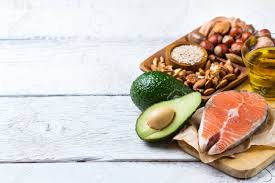
Fish, nuts, oils and avocado are healthy sources of....
Fiber
Protein
Minerals
Fat
What is Fairtrade all about?
better prices and improved working conditions for farmers & workers in developing countries.
more trade for less money
less money for workers so that companies get cheap produce
less crops
What is food protection concerned with?
Protecting food from bumps & bruises
Ensuring that food supplied to consumers is safe to eat
Ensuring food is not stolen from consumers
Protecting poor farmers so that their families have adequate food to eat
What can individuals do to minimise food waste? (Choose ALL of th correct answers)
Set up a compost bin at home
Plan your meals and change the way you shop.
Learn how to store fresh produce so that it lasts.
Get creative with leftovers
Learn to use parts of fruit and veg that you’d normally throw away.

