
 Worksheets
Chem Lab Safety Review 2026
Total questions: 33
Worksheet time: 21mins
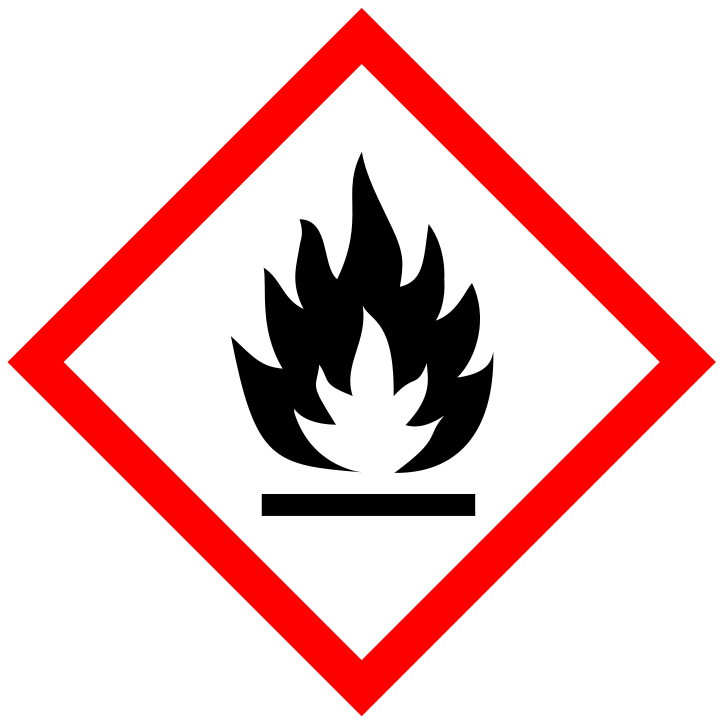
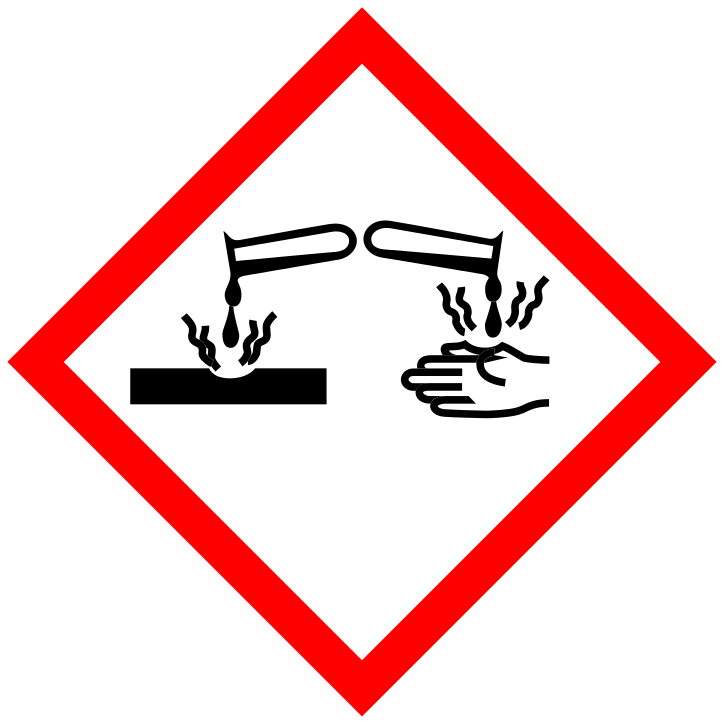


What does this GHS symbol mean?
Flammable
Oxidizing Agent
Gases Under Pressure
Explosive


When working with a corrosive material, which first aid measures would be needed to prevent danger from occurring?
covering exposed skin with apron and gloves
wearing flip flops or sandals in lab
running water over the skin for 15 minutes
spreading sand on the lab tables and floors
Which of the following dress procedures should be followed when flames are used in a lab?
I. Long hair tied back
II. Loose, comfortable clothing
III. Clothing made of natural fibers like cotton
I only
I and II only
I and III only
I, II, and III
If a corrosive acid gets on your skin, what should you do?
cover the area with clean gauze
neutralize the acid with a base
flush continuously with water
wipe the acid off with a towel
Students spill a chemical on the floor. What is the first thing they should do?
clean it up with paper towels
cover the spill with kitty litter
evacuate the lab
tell the teacher
A student is wearing safety goggles but still gets chemical in her eyes. What should she do?
Wash her eyes in the safety shower
Wash her eyes using the eye wash station
Grab the fire extinguisher
Use the fire blanket
What is the best way to dispose of a potentially dangerous chemical?
pour it down the drain
put it in the garbage can
recycle the compound for a future lab activity
place it in a hazardous material waste container

What is the purpose of a ventilation hood?
it cools the environment
it keeps oxygen away from flames
it disperses potentially harmful gases
it measures the volume of gas products.
During a lab experiment, students were asked to dilute some hydrochloric acid. What would be the best procedure for diluting the acid?
pour water directly into the acid beaker
pour acid directly into the water beaker
pour water slowly against a glass stirring rod into the acid beaker.
pour acid slowly against a glass stirring rod into the water beaker.
What is the last thing you should do after a lab before leaving the room?
disassemble the equipment
wash your hands
record your observations
clean the lab tables
If you pour chemicals onto yourself, how long should you use the safety shower?
5 minutes
10 minutes
15 minutes
45 minutes
What is the best way to dispose of nonhazardous liquid chemicals down the drain?
neutralize with water first
dilute using an acid before pouring
pour without splashing with running water
evaporate as much of the water before pouring
What does the blue color on the NFPA diamond stand for?
Special Information
Health Hazard
Flammability Hazard
Reactivity Hazard
What does the white color on the NFPA diamond stand for?
Special Information Hazard
Health Hazard
Flammability Hazard
Reactivity Hazard
What does the red color on the NFPA diamond stand for?
Special Hazard
Health Hazard
Flammability Hazard
Reactivity Hazard
What does the yellow color on the NFPA diamond stand for?
Reactivity Hazard
Radioactivity Hazard
Flammability Hazard
Health Hazard
What does NFPA stand for?
National Flame Producing Agency
National Fire Prevention Agency
National Firearms Protection Act
National Fire Protection Association

Which characteristics describe the chemical in the image.
The RED section indicates that it is volatile at room temperature
The WHITE section indicates that it is an acid
The BLUE section indicates it is an extreme danger
The YELLOW section indicates it is unstable at room temperature

What is correct about this image?
Deadly
Extremely Flamable
Extremely Volatile
Reacts with water


When should you tie back long hair or baggy clothing?
When working with chemicals
When working with fire
ALWAYS

Approved eye protection devices (such as goggles) are worn in the laboratory
to avoid eye strain
to improve your vision
only if you don't have corrective glasses
any time chemicals, heat, or glassware is used
True or False: Never remove chemicals or other equipment from the laboratory.
True
False
You must weigh out 20 grams of sodium bicarbonate for a lab. You accidentally take too much of the compound out. What should you do with the excess/leftover compound?
Place the leftover compound back in its original/stock container
Ask the teacher how to dispose of it properly
Dispose of it in the regular trash
Pour it in the sink
If you are ever instructed to smell a chemical or substance in chemistry, what method should you use?
Waft (lightly wave the fumes in your direction with you hand)
Put your nose right to the beaker and inhale
Inhale deeply
If there is any accident in the lab, such as glass breaking or a substance spilling, what is the first thing you should do ?
Tell the teacher
hide the mess
get someone else to clean it up
nothing
If you are using a strong acid during lab, which piece of safety equipment would be the most important?
Goggles
Mask
Fire extinguisher
Disinfectant spray

