wayground logo

Free Printable Worksheets

Font size

S
M
L
XL
Worksheets

Chemistry Unit Review

Total questions: 45

Worksheet time: 28mins
Name
Class
Date
1.
A change in temperature and color of a substance during a science experiment means that what took place?
a)
Physical Change
b)
Chemical Change
2.
Given the following compound, how many oxygen atoms are there?  H2OAl3
a)
1
b)
2
c)
3
d)
6
3.
Which atomic particle has NO charge?
a)
Proton
b)
Neutron
c)
Electron
4.
Which atomic particle has a NEGATIVE charge?
a)
Proton
b)
Neutron
c)
Electron
5.
How many different elements are involved in this chemical reaction: Br4H2N + Al5 --> 2AlHBr2 + Al3N
a)
9
b)
4
c)
6
d)
1
6.
How many atoms of each element are found in this compound?  C2H3N5C
a)
2 Carbon, 3 Hydrogen, 5 Nitrogen
b)
1 Carbon, 2 Hydrogen, 3 Nitrogen
c)
3 Carbon, 3 Hydrogen, 5 Nitrogen
7.
Which element has 10 protons?
a)
Carbon
b)
Neon
c)
Hydrogen
d)
Oxygen
8.
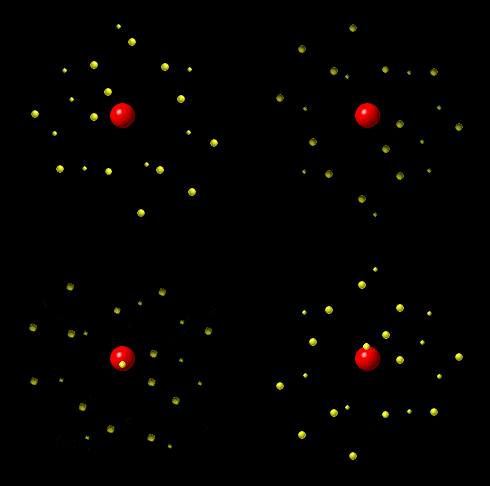
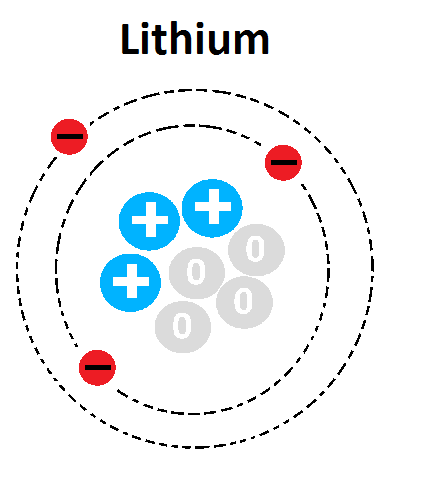
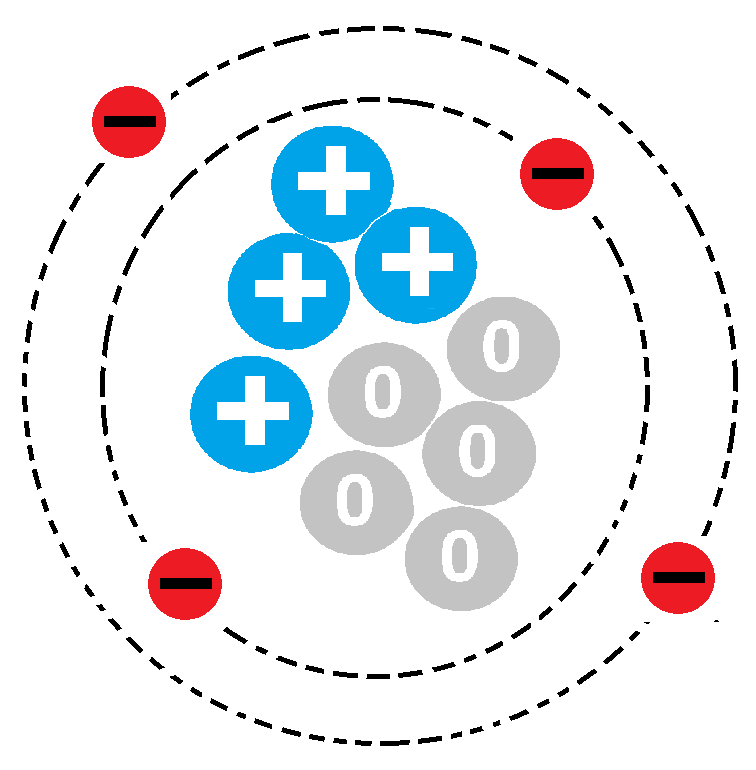
How many electrons does Lithium have?
a)
1
b)
2
c)
3
d)
4
9.
Which of the following is a COMPOUND?
a)
CO2
b)
Na
c)
Br3
d)
Li2
10.
The compound H2SOhas how many elements?
a)
3
b)
4
c)
6
d)
7
11.
Dissolving Kool-Aid in water represents a...
a)
physical change
b)
chemical change
12.
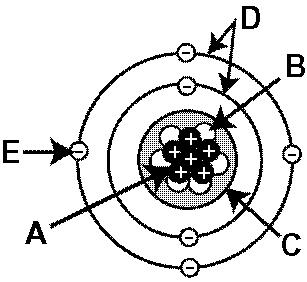
In the atom diagram shown, E is pointing to
a)
An electron
b)
a proton
c)
a neutron
d)
the nucleus
13.
What charge does an electron have?
a)
Negative
b)
Positive
c)
Neutral
d)
Contrated
14.

In this chemical equation, the elements in red are the_______.

a)

Products

b)

Reactants

c)

Subscripts

d)

Coefficients

15.

What is the atomic mass of this atom?

a)

1

b)

3

c)

4

d)

7

16.
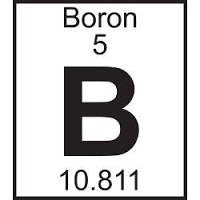
What is the atomic number of this atom?
a)
4
b)
5
c)
9
d)
none of the above
17.
What is a valence electron?
a)
an electron that is found in the outermost orbital of an atom. 
b)
an electron found in the innermost orbital of an atom.
c)
an electron found in the middle orbital.
18.

Using the information provided, determine how many electrons the a Boron atom contains.

a)

2.5

b)

5

c)

6

d)

10.81

19.

Two or more different elements chemically bonded together

a)

Element

b)

Mixture

c)

Compound

d)

Molecule

20.

Two or more atoms/elements bonded together.

a)

Element

b)

Molecule

c)

Compound

d)

Solution

21.
What is the Law of Conservation of mass?
a)
Mass is created in a chemical reaction
b)
Mass is created in a physical change
c)
New chemicals formed from a chemical reaction have a larger overall mass than the original reactants
d)
Mass is never created or destroyed
22.

A system where matter does not enter or escape is called?

a)

Closed

b)

Open

c)

Compounding

d)

Escaping

23.

A system where matter can enter or escape is called?

a)

Closed

b)

Open

c)

Escaping

d)

Entering

24.

Which of the following are examples of open systems?

a)

Bonfire

b)

Fish tank with a lid

c)

Fish tank with no lid

d)

Bowl of cereal

25.

Which of the following are examples of closed systems?

a)

Human body

b)

Bowl of cereal

c)

Water in a sealed plastic bag

d)

Fish tank with a lid

26.
This picture shows a model of which element?
a)
Sodium
b)
Magnesium
c)
Vanadium
d)
Hydrogen
27.
How many valence electrons are on this atom?
a)
2
b)
4
c)
6
d)
8
28.
Which of the following lists the correct numbers in the correct order to balance this equation?
_H2SO4 + _NaNO--> _HNO2 + _Na2SO4
a)
2,3,2,1
b)
1,2,2,1
c)
1,1,1,2
d)
3,2,1,2
29.
Which of the following is a compound?
a)
CO2
b)
H
c)
O
d)
Na
30.
Which one of the following equations is correctly balanced?
a)
H2O → 3H2  +  O
b)
H2O → 2H2   +   O
c)
2H2O → H2   +  4O
d)
2H2O → 2H2   +   O2
31.
What is the function of water in the following equation? NaOH + HCl → NaCl + H2O
a)
It is a product
b)
It is a reactant
c)
It is a reaction
d)
It is an element
32.
A chemical equation shows how the combination of elements and compounds can create different products.  According to the law of conservation of matter, which of the following is true?
a)
There are no more atoms remaining at the end of the chemical reaction
b)
The chemical reaction can only produce compounds, not individual elements
c)
The number of atoms for each element remains the same throughout the chemical reaction.
d)
The number of atoms for each element must increase in order for a chemical reaction to take place.
33.
A chemist mixes 19 grams of copper with 102 grams of silver nitrate. The total mass of the products is expected to be 121 grams. Which of the following would best explain these results?
a)
Law of Definite Proportions
b)
Law of Multiple Proportions
c)
Law of Conservation of Matter
d)
Law of Conservation of Energy
34.
As you and your lab partner mix two clear solutions during a science experiment, a red solid forms. What is this solid called?
a)
a condensate
b)
a hydrate
c)
a precipitate
d)
a particulate
35.

How do you model this chemical formula?

a)
b)
c)
d)
36.

What are the reactant(s) in this chemical reaction?

a)
b)
c)
d)
37.

What are the product(s) in this chemical reaction?

a)
b)
c)
d)
38.

What is the chemical formula of a molecule of methane?

a)

C4H

b)

CH4

c)

4CH

d)

CH4

39.

What happens to atoms during a chemical reaction?

a)

They become new atoms

b)

They rearrange themselves

c)

They duplicate themselves

d)

They are destroyed

40.

2.) Which types of elements have a full outer shell of Valence Electrons?

a)

F Metals

b)

G Noble Gases

c)

H Metalloids

d)

J Non-Metals

41.

10.) Which diagram correctly shows the charges of the particles in a neutral beryllium

atom?

a)
b)
c)
d)
42.
What element is represented in this Bohr Model? 
a)
Carbon
b)
Hydrogen
c)
Aluminum
d)
Lithium
43.
The smallest particle of an element that shows all the properties of that element.
a)
Subatomic Particles
b)
Atom
c)
Quarks
d)
Gluons
44.

The number of protons in one atom of an element is that element's

a)

mass number.

b)

balanced charge.

c)

atomic number.

d)

isotope.

45.

What are the reactant(s) in this equation: 2Na + Cl2 --> 2NaCl

a)

Na & Cl

b)

Na

c)

Cl

d)

NaCl