Wayground logo

Free Printable Worksheets

Font size

S
M
L
XL
Worksheets

Unit 1 Review

Total questions: 38

Worksheet time: 20mins

Name
Class
Date
1.
This variable in an experiment is the one being changed by the scientist. 
a)
dependent variable
b)
independent variable
c)
control variable
d)
control group
2.

Miss Parsons sets up an experiment to see how toy cars with different masses affects the distance they roll down a ramp. Identify the independent variable.

a)

distance traveled by the cars

b)

height of the ramp

c)

mass of the car

d)

number of cars

3.

Miss Parsons sets up an experiment to see how toy cars with different masses affects the distance they roll down a ramp. Identify the dependent variable.

a)

height of the ramp

b)

distance traveled by the cars

c)

mass of the car

d)

number of cars

4.
The part of the experiment that does not contain the independent variable. Used for comparison.
a)
Control Group
b)
Experimental Group
c)
Results
d)
Data
5.
Students used various temperatures of water to see which one dissolved candy faster. 
What was the Independent Variable?
a)
Amount of Candy
b)
Amount of Water
c)
Temperature of Water
d)
Time for Candy to Dissolve
6.
Are made from a combination of 2 or more elements in a constant ratio...
a)
Atome
b)
Mixture
c)
Compounds
d)
Elements
7.
What is a homogeneous mixture?
a)
a mixture that is the same throughout.
b)
a mixture that is made up of one type of atom.
c)
a mixture that is made up of one type of compound
d)
a mixture that cannot be separated through physical changes
8.
A mixture that is NOT evenly distributed is called ....
a)
Compounded
b)
Homogenous
c)
Heterogenous
d)
Salty
9.
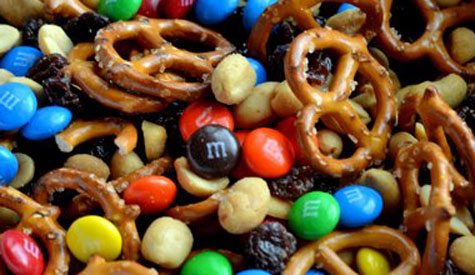
What type of mixture is this?
a)
homogenous mixture
b)
chemical
c)
heterogeneous mixture 
d)
solid mix
10.
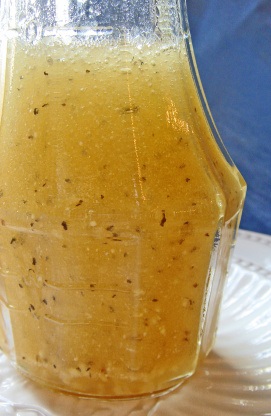
Italian Salad Dressing is a . . .
a)
heterogeneous mixture
b)
homogeneous mixture
c)
Pure Substance
d)
Compound
11.
Chicken soup is an example of what kind of substance?
a)
homogenous mixture
b)
solution
c)
heterogeneous mixture
d)
compound
12.
Kool-Aid
a)
Element
b)
Compound
c)
Homogeneous Mixture
d)
Heterogeneous Mixture
13.
Carbon
a)
Element
b)
Compound
c)
Homogeneous Mixture
d)
Heterogeneous Mixture
14.
Aluminum
a)
Element
b)
Compound
c)
Homogeneous Mixture
d)
Heterogeneous Mixture
15.
Co
a)
Element
b)
Compound
c)
Homogeneous Mixture
d)
Heterogeneous Mixture
16.
NaCl
a)
Element
b)
Compound
c)
Homogeneous Mixture
d)
Heterogeneous Mixture
17.
Substance with atoms that are all alike.
a)
element
b)
compound
c)
homogeneous mixture
d)
heterogeneous mixture
18.
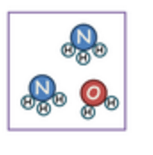
This picture represents: 
a)
Element
b)
Compound
c)
Mixture of Elements
d)
Mixture of Compounds
19.
This picture represents: 
a)
Element
b)
Compound
c)
Mixture of Elements
d)
Mixture of Compounds
20.
All matter is made up of .....
a)
Compounds
b)
Atoms
c)
Molecules
d)
Sunshine
21.

A physical change...

a)

changes the physical properties of an object, but does not create a new substance.

b)

creates a new substance and cannot be undone.

22.

A chemical change

a)

changes the physical properties of an object, but does not create a new substance.

b)

creates a new substance and cannot be undone.

23.

Is this an example of a physical or chemical change?

a)

physical

b)

chemical

24.

Is this an example of a physical or chemical change?

a)

physical

b)

chemical

25.

Is this an example of a physical or chemical change?

a)

physical

b)

chemical

26.

Is this an example of a physical or chemical change?

a)

physical

b)

chemical

27.

What is a change of matter in size, shape, or state that does not change the type of matter?

a)

Boiling Point

b)

Freezing Point

c)

Physical Change

d)

Conservation of mass

28.

Which set of properties, intensive or extensive, are based on the size of a sample?

a)

intensive

b)

extensive

29.

What kind of physical property is this? Color

a)

intensive

b)

extensive

30.

What kind of physical property is this? Temperature

a)

intensive

b)

extensive

31.

What kind of physical property is this? Number of Atoms

a)

intensive

b)

extensive

32.
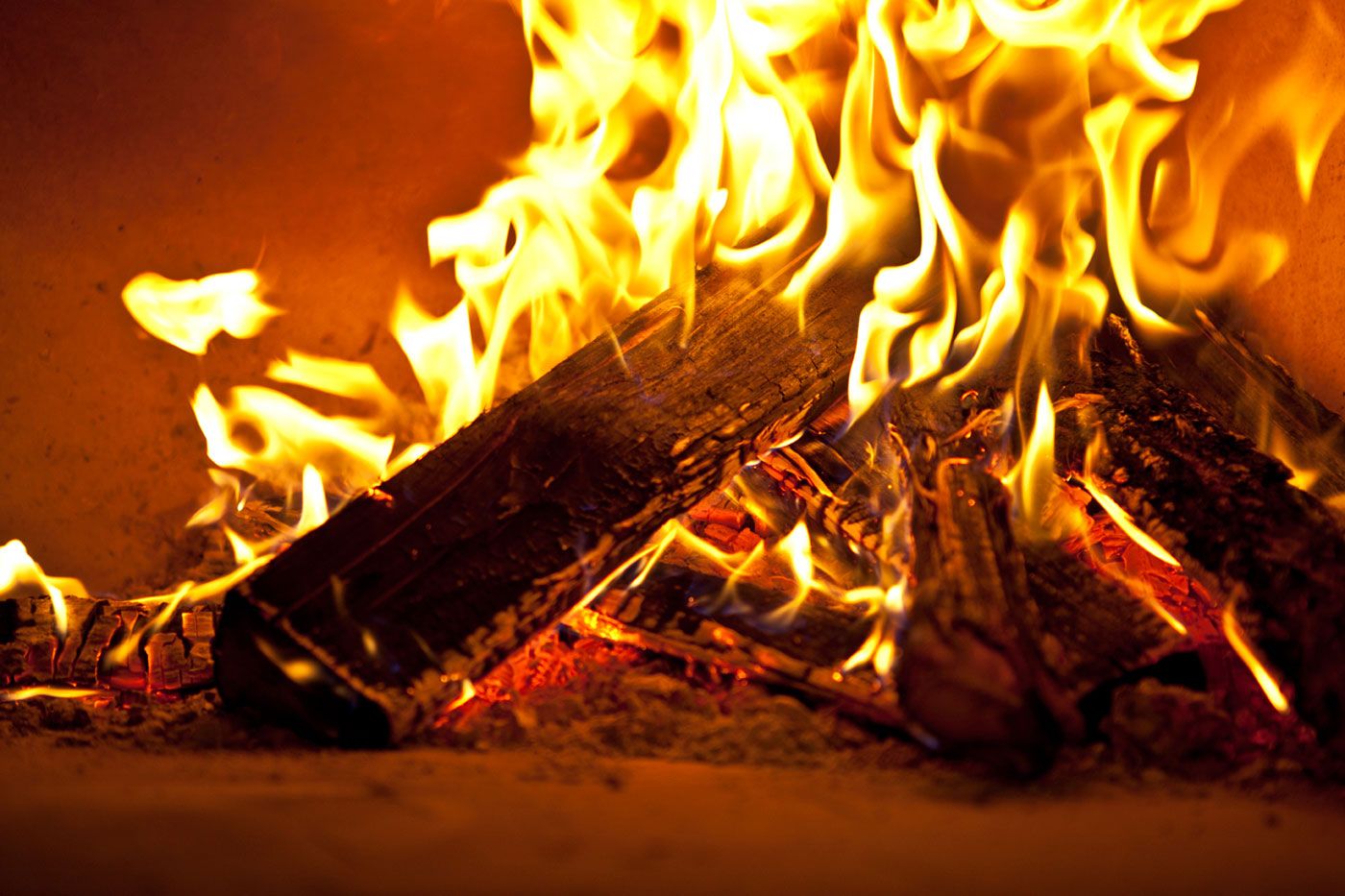
Is burning wood a chemical or physical change?
a)
chemical
b)
physical
33.
Exploding fireworks is an example of a(n) __________ .
a)
physical change 
b)
chemical change 
c)
static electricity
d)
heredity
34.
Melting a chocolate bar is an example of a(n)  ______________ .
a)
physical change
b)
chemical change 
c)
photosynthesis
d)
heredity
35.
Rotting bananas is an example of a(n) ___________ .
a)
physical change
b)
chemical change
c)
heredity
d)
cloning
36.
Cutting your hair is an example of a(n) __________ .
a)
physical change
b)
chemical change
c)
photosynthesis
d)
selective breeding
37.
Is squeezing oranges to make orange juice a physical or chemical change?
a)
physical
b)
chemical
38.
A group of students investigated physical and chemical changes using paper.  The students recorded their observations in a table.
Which student correctly recorded all the changes that took place?

a)
Student 1
b)
Student 2
c)
Student 3
d)
Student 4