
 Worksheets
Balanced diet
Total questions: 31
Worksheet time: 12mins


When choosing a food to eat, why is it important to look for the amount of added sugars in the food? Consuming a lot of added sugar...
makes food taste better
is beneficial for your heart
is a leading risk factor for many diseases
gives you wings
Deficiency of Vitamin D causes
Rickets
Scurvy
Marasmus
Flu
Anaemia is causee by deficiency of
Protein
Iron
Iodine
Fat
__________ helps in protecting our body against diseases.
Minerals
Vitamins
Fats
Proteins
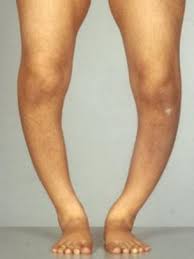
Deficiency of which nutrient leads to this disease?
Vitamin A
Vitamin D
Vitamin C
Lack of exposure to sunlight may lead to deficiency of this ______________.
Vitamin D
Vitamin K
Vitamin E

Body's main source of energy. Whole grain breads, rice, pasta, and many fruits and vegetables are good sources of this.`
protein
minerals
carbohydrates
fats
Sugars and fats must be a very small propotion of a balanced diet.
True
False
What does the body use carbohydrates for?
Carbohydrates enable the tranport of essential nutrients in the body.
Carbohydrates improve digestion.
Carbohydrates are used by the body for growth.
Carbohydrates provide the body with a source of energy.
What is the diseases which occur due to the lack of vitamin c .......................
Night blindness
Scurvy
Weak bones
Stutering
What disease occurs due to the lack of vitamin A ....................
Scurvy
Weak bones
Paralysis
Night blindness

Identify the disease and name the deficiency that causes it?
Kwashiorkar, caused due to deficiency of proteins
Kwashiorkar, caused due to deficiency of proteins and carbohydrates
Marasmus, caused due to deficiency of proteins
Marasmus, caused due to deficiency of proteins and carbohydrates
The deficiency diseases can be prevented by having ___________.
Balanced diet rich in fresh fruits and vegetables
Junk foods
Regular exercise
Lots of water
People who lack a nutrient for a long time can suffer from a deficiency disease.
True
False

Human beings need food. Which is not a reason that supports that statement.
The energy gain from food supports activities like breathing, digestion, work and play.
Food contain useful chemical substances needed by the body.
Food keeps the stomach full and comfortable.
Food contains vitamins that protects the body.

Which shows an excellent example of ‘variety’ in their meal?
Rice, oats, potato and noodles
Mandarin orange, citrus orange, lemon and honey orange
Bread, lettuce, tomato and vegetable soup
Brown rice, tofu, spinach and orange

The term ‘empty calories’ refers to _________________________.
foods that contain little energy and beneficial nutrients like vitamins and minerals
foods that are high in energy and beneficial nutrients like vitamins and minerals
foods that are low in energy but high in beneficial nutrients like vitamins and minerals
foods that are high in energy but low in beneficial nutrients like vitamins and minerals
Which food is an excellent example of ‘empty calorie’?
White rice
Cookies
Wholemeal bread
Grapes

Basal metabolism is the minimum amount of energy needed by the body to maintain important body functions.
TRUE
FALSE

The amount of energy a person need in a day depends on _____________________.
age, food preference and body size
age, body size, gender and activity level
age, body size, gender, activity level and race
age, body size, gender, activity level and occupation

With reference to the recommended dietary allowance chart (click on the image), state the required amount of energy that is needed by a teenage boy who is 13 years old.
2200
3000
2500
2900

Energy imbalance happens when energy intake is more or less than energy expenditure. Which is the outcome when intake is more than expenditure
body uses stored fats as energy leading to weight loss over time
energy will be stored as body fat leading to weight gain over time
body weight is maintained achieving energy balance and a healthy weight
Nothing happens to the body; food is digested and excreted as waste material

How do you calculate BMI?
weight in kilogram divide by height in metre
height in metre divide by weight in kilogram
weight in kilogram divide by height in metre 2 (height x height)
height in metre 2 (height x height) divide by weight in kilogram

