
NEW
Font size
 Worksheets
primary activity
Total questions: 38
Worksheet time: 13mins
WHICH OF THE FOLLOWING IS NOT A PLANTATION CROP?
COFFEE
WHEAT
SUGARCANE
RUBBER
IN WHICH OF THE FOLLOWING COUNTRIES COOPERATIVE FARMING WAS THE MOST SUCCESSFUL IN EXPERIMENT?
RUSSIA
DENMARK
INDIA
THE NETHERLANDS
………….is local name of shifting cultivation in Sri Lanka.
ladang
Chena
milpa
jhuming
Which crops grown under Mediterranean cultivation?
Citrus fruits
Tea
Coffee
Wheat
Which one is not a plantation crop?
Groundnuts
coffee
tea
coconuts
Co- operative farming is popular in which pair of countries?
None of these.
U.S.A. and Canada.
Australia and New Zealand.
Norway, Denmark and Italy.
What is demerits of Primitive subsistence cultivation?
Low and uncertain productivity.
Soil erosion.
Forest fire and loss of habitat for wildlife.
All of these.
Which one is not perfectly matched?
Viticulture- Cultivation of grapes.
Horticulture- Cultivation of fruits and vegetables.
Apiculture- Rearing of silkworm.
Floriculture- Cultivation of flowers.
Statement I. Nomadic herding is practiced mostly in hilly and deserted regions of the world.
Statement II. Because any other economic activities can’t be performed efficiently except nomadic herding due to climatic and physical restraints.
Both statements are correct
Only I is correct.
Only II is correct.
Both statements are incorrect.
Which one is not related to primary human activities?
Transportation and communication.
Hunting and Gathering.
Mining.
Agriculture.
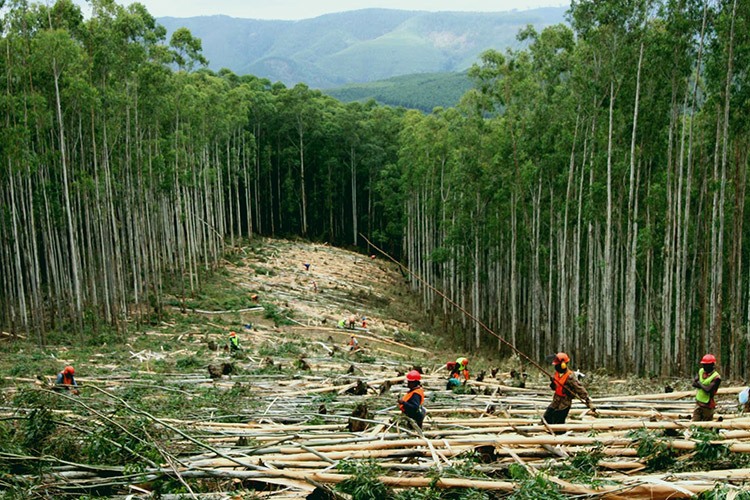
This image represents which economic sector?
Tertiary Sector
Secondary Sector
Primary Sector
Quaternary Sector
What is an economic activity
Helping someone
Playing cricket
Earning a livelihood
Reading a book
Primary economic activities include
Lumbering
Animal husbandry
Hunting and gathering
All of the above
Which is the most primitive type of primary activity.
Lumbering
Hunting and gathering
Crop cultivation
Animal husbandry
People engaged inprimary activities are also called as
Blue collar
Red collar
White collar
Gold collar
Which one of the following comes under primitive subsistence activity
Nomadic herding
Commercial livestock rearing
Plantation agriculture
Dairy farming
Transhumance is the practice in which herders move to ...........in summers and to .............in winter.
Mountains , valley
Plains , valley
Mountains , valley
Plateau, plains
Which one group of country is correct regarding commercial livestock rearing
New Zealand Australia Argentina
Pakistan Afghanistan Iran
Japan South Korea Philippines
Canada Greenland
What is the mean area of shifting cultivation for tribal people.
Tropical Africa and South America
Australia
Central North America
Western Indian subcontinent
The main cause for people to practice intensive subsistence agriculture is
Availability of land in abundance
High population pressure on land
Better technical know how
Availability of machinery
Intensive subsistence agriculture is dominated by wet paddy cultivation in
South and southeast Asia
Central North Africa
Australia and New Zealand
North America
Which one of the following is not a plantation crop?
Tea, coffee
Sugarcane, cotton
Maize, millet
Rubber, banana
What are Fazendas?
Large coffee plantations in Brazil
Large size rice fields in India
Large size banana plantation in Sri Lanka
Large size rubber plantation in Malaysia
Temperate grasslands in Eurasia is called as
Prairies
Steppes
Pampass
Velds
Temperate grasslands in North America is called as
Prairies
Velds
Downs
Steppe
Agriculture in Which crop cultivation and animal husbandry is done simultaneously is called as
Mixed farming
Dairy farming
Nomadic herding
Plantation agriculture

Farming in which various crops are are sown in field at alternative spaces at same time.
Intercropping
Crop rotation
Mixed cropping
None of the above
The facility of quick transportation refrigeration and pasteurization is very important in
Mediterranean
Dairy farming
Mixed farming
Cooperative farming
.................... Is famous for the production of citrus fruits like oranges grapes olives figs etc
Mediterranean agriculture
Dairy farming
Cooperative farming
Plantation agriculture
Truck farming is a part of
Market gardening and horticulture
Dairy farming
Animal husbandry
Mixed farming
The model of KOLKHOZ which was introduced in erstwhile Soviet Union to improve the efficiency of agriculture is an example of
Cooperative farming
Commercial livestock rearing
Collective farming
Dairy farming
Which type of mining use shaft method to extract mineral
Open cast mining
Underground mining
Both
None of the above
What are the factors which affect mining activity
Size and grade of mineral
Technology available and used
Labour and transport cost
All of the above
Cooperative farming became very famous in
Netherlands
Denmark
India
Brazil
Mediterranean type of climate is characterized by
Rainfall in winter season
Rainfall in summer season
Blowing of hot winds
Frequent droughts
Shifting cultivation in North East India is also called as
Jhuming cultivation
Milpa
Ladang
None of the above
Which is not a Primary Economic Activity
Teaching
Farming
Fishing
Forestry

What does this picture show?
A water reservoir
Potable water
A water treatment plant
Irrigation

