
 Worksheets
Westward Expansion & Gilded Age Review
Total questions: 37
Worksheet time: 18mins
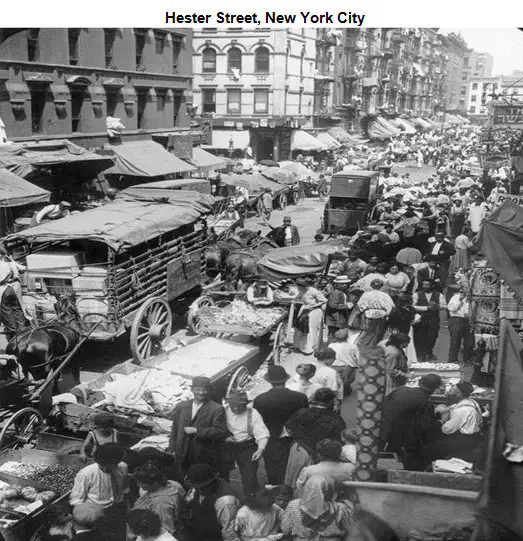
What were some problems of Urbanization?
Poor living conditions, overcrowding in cities and tenements, and sweathouses.
Surplus foods, increase of jobs, and no political corruption
less land grants, less diversity, and more political corruption
overcrowding in cities, less diversity, and less industrialization

Federal land grants that encouraged settlement to the west (Great Plains) . . .
Dawes Act
Chinese Exclusion Act
Homestead Act
Philanthropy
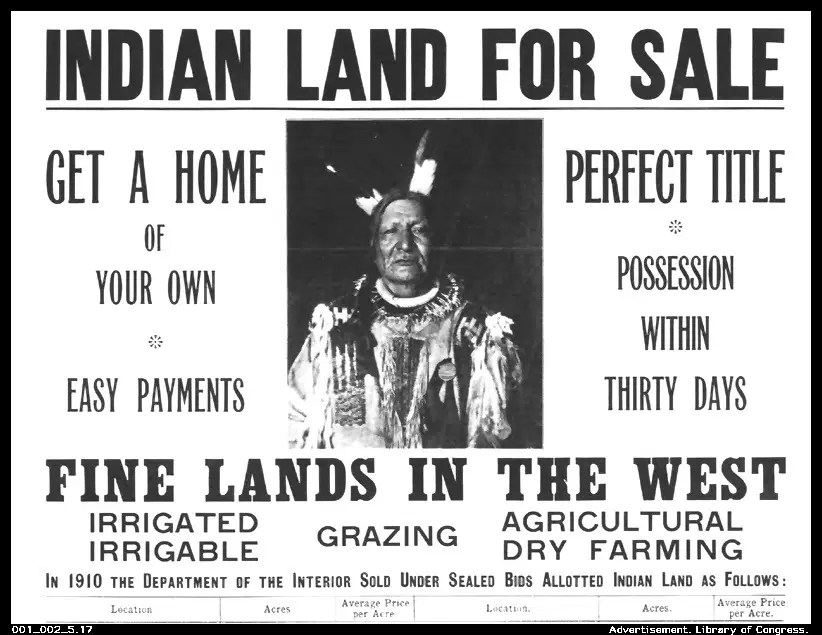
What is the goal of the Dawes Act?
Limit Immigration
Speed up assimilation for Native Americans
Give land to Farmers and states
Speed up the citizenship process
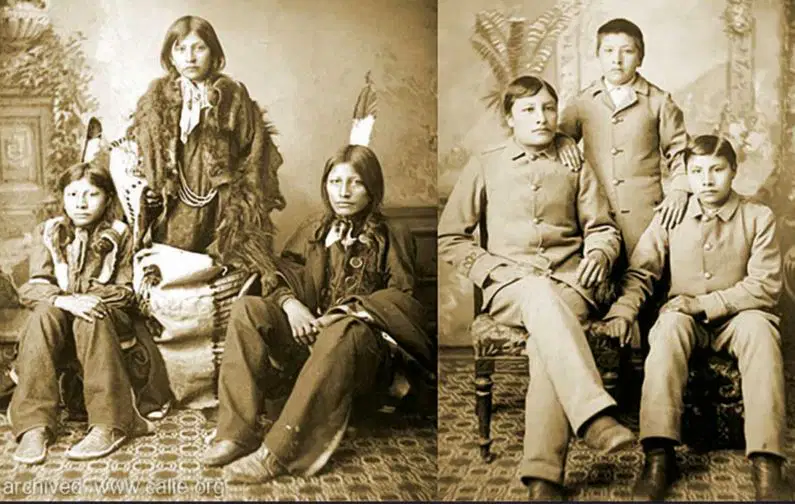
The process in which a minority group or culture comes to resemble a society's majority group or assume the values, behaviors, and beliefs of another group . . .
Nativism
Assimilation
Immigration
Homogenous

What was the purpose of cattle drives?
Grant cattle to new settled families
Transport cattle from Texas to markets in the North
Bring farmers to help with the development of railroads
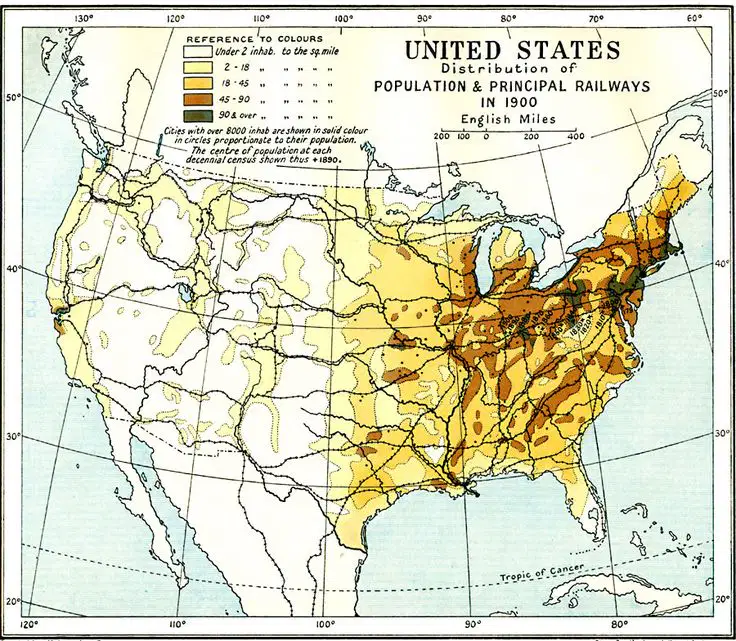
Dense population, _______: Sparse population, Southwest USA.
Northeast USA
Mountain Time Zone
Southeast USA
Midwest USA

Freedom, Economic Opportunities and Prosperity, and Equality are considered . . .
Push Factors
Pull Factors
Why did many people move to California in 1849 and by the Klondike River in 1896?
In search of cattle
In search of laborers
In search of new houses
In search of gold

What groups were the main source of labor for railroad companies?
Russians and Germans
Chinese and Irish
Japanese and Irish
Chinese and French
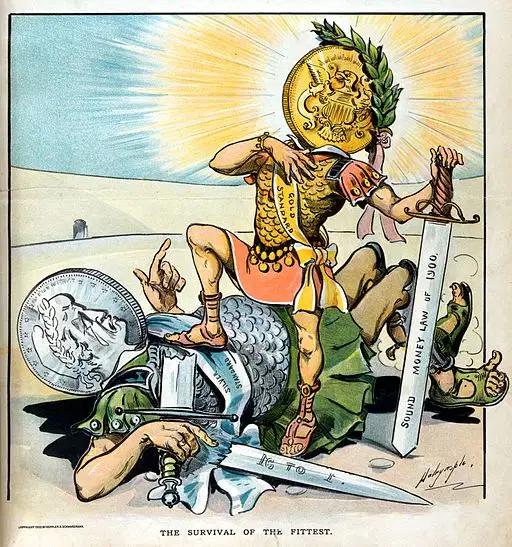
__________________ is when the strong and talented will naturally rise to the top in business and social situations . . .
Social Darwinism
Nativism
Assimilation
Monopoly
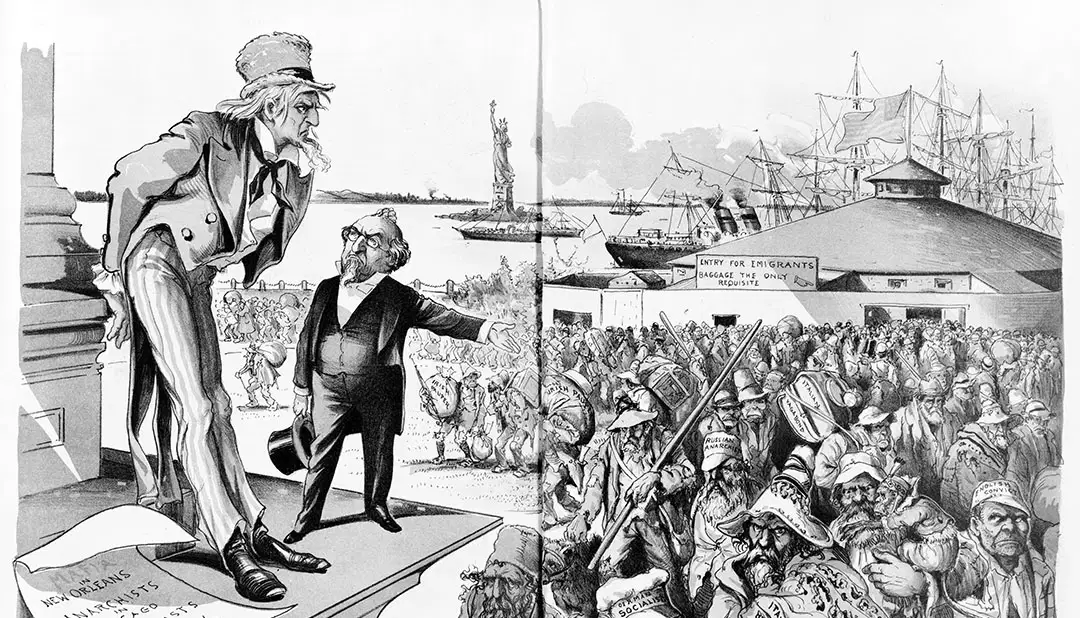
Bias towards anyone not born in the U.S., that pushed for immigration restrictions and assimilation is called . . .
Gospel of Wealth
Social Darwinism
Nativism
Bessemer Process

Which of the following converted iron into steel, Increased steel production, lowered the cost, and helped build taller building to help reduce overcrowding in cities?
Child Labor
Labor Unions
Social Darwinism
Bessemer Process

Which of the following is NOT a reason the Transcontinental Railroad is significant?
Showed Federal Government’s commitment to encouraging settlement in Western Territories.
Showed Federal Government’s commitment to encouraging settlement in Eastern Territories.
Provided access to essential goods
A more faster form of transportation

Who wrote The Gospel of Wealth and believed philanthropy was a tool to help people rise in society?
John D. Rockefeller
Alexander Graham Bell
Andrew Carnegie
Thomas Edison

Gives away large sums of money to build libraries, universities, hospitals (things for common good) is called . . .
Philanthropy
Entrepreneur
Monopoly
Industrialist
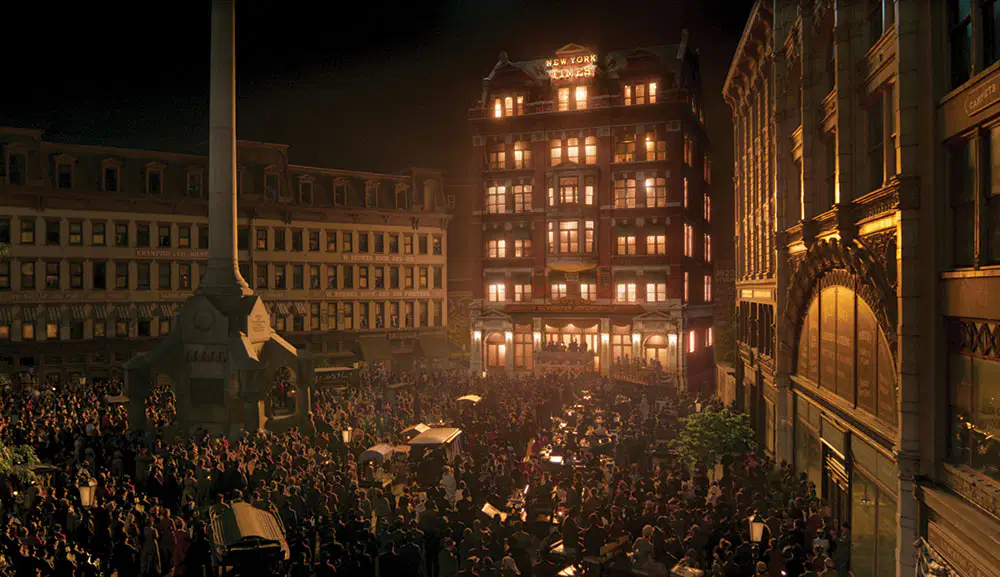
How did electricity impact United States industry?
Businesses were opened less hours, were more efficient and improved safety in the workplace.
Businesses could stay open longer, were more efficient, and improved safety in the workplace.
Business could stay open longer, less efficient, and did not improve safety in the workplace.
Business could stay open longer, were more efficient, and did not improve safety in the workplace.

__________ were used for an inexpensive source of labor and doing dangerous jobs.
Women
Native Americans
Farmers
Child Labor
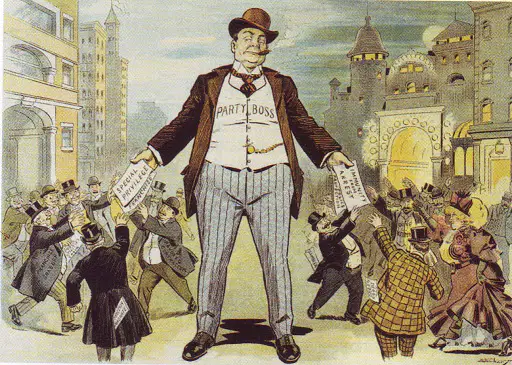
An organized group that controls the political party of a city gives, jobs and contracts to voters (immigrants/supporters) in exchange for votes is a . . .
Political Machine
Political Boss
Monopolies
Ballots

Religious, Poverty, and War are considered . . .
Push Factors
Pull Factors
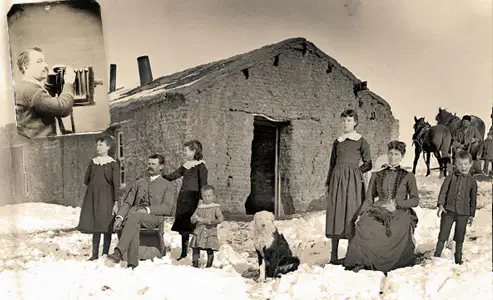
Lived in Sod Houses, Developed farming techniques and technology, lost their farms because they were unable to pay debts is the life of a . . .
Homesteader/Settler
Children
Chinese Immigrant
Monopoly

What is the Interstate Commerce Act?
Prohibit unjust business practices by railroad companies
increase safety in the workplace
Improve working conditions
Promote fair hiring practices

Why was the Interstate Commerce Act enacted?
State regulation of railroads was undermined by the Supreme Court
Concern over railroad monopolies and unfair practices
Railroads being used for interstate commerce
All of the above

Growth of cities, created more jobs, and shifting from rural to urban are all EFFECTS of . . .
Industrialization
Nativism
Assimilation
Monopolies
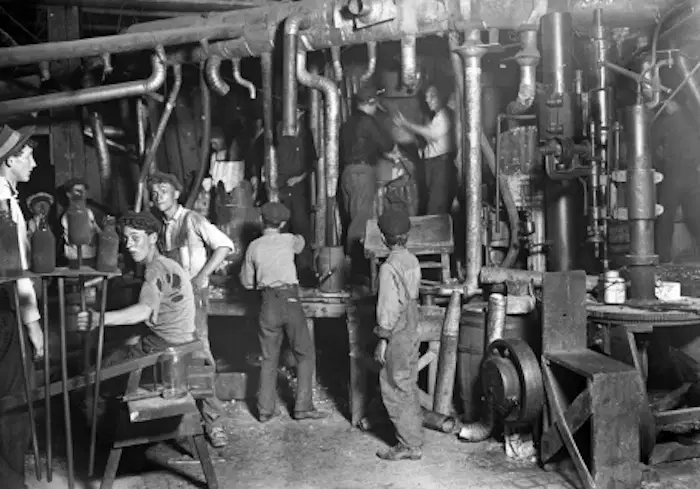
What were the causes of the rise of labor unions?
Poor and unsafe work place, low wages, child labor, long hours,
Better and safe work place, high wages, child labor, short hours
Poor and unsafe work place, low wages, no child labor, short hours

SELECT THREE effects of the rise of labor unions?
collective bargaining tactics
strikes and boycotts
protection for workers
granted land in the city

Who had advantage over employees (labor) and used their power to sway government decisions?
Nativists
Monopolies
Native Americans
Settlers
Term for a period of time characterized by certain political, social, or economic events.
Time capsule
Historical Era
Timeline
Genre

Passed to limit immigrants coming to the U.S. and because many Americans believed they were losing jobs to the Chinese . . .
Homestead Act
Dawes Act
Chinese Exclusion Act
Immigration Act
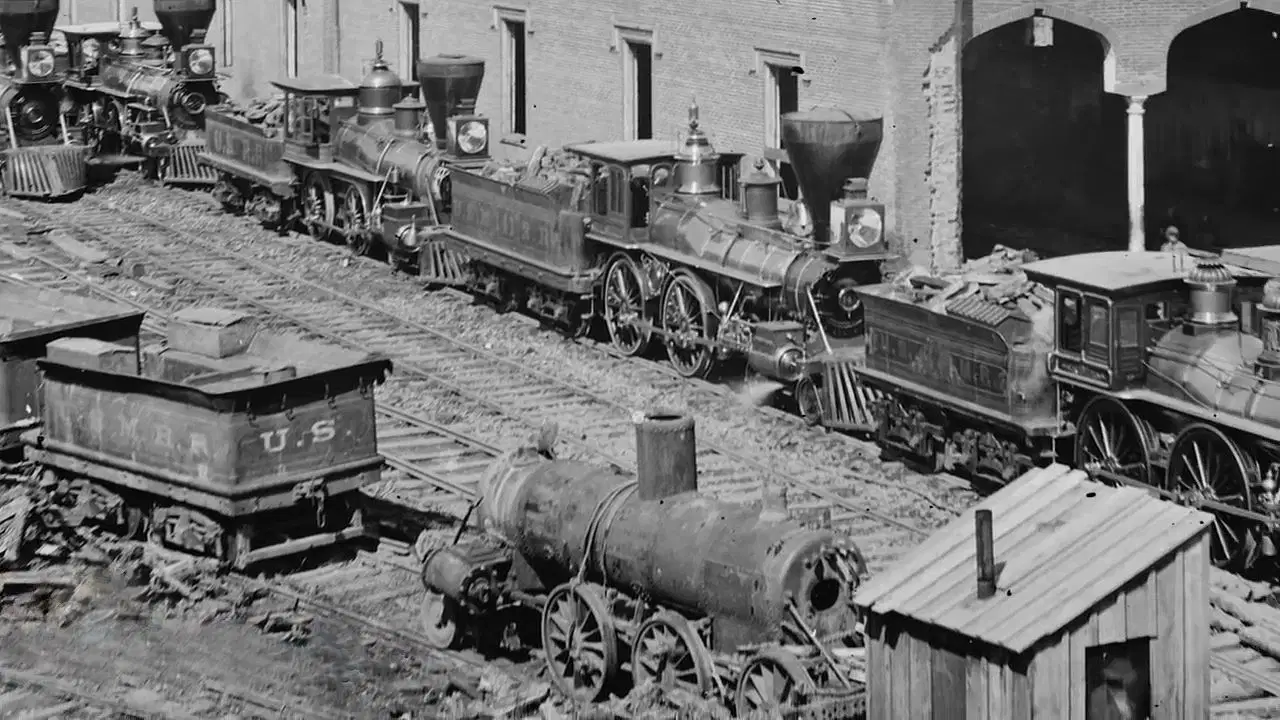
How did railroads contribute to the growth of town in the West?
they helped towns grow quickly by connecting to markets
they were used mostly for passenger travel
they discouraged ranching and farming
they slowed settlement by limiting travel

What problem did crowded urban tenements highlight in the late 1800s?
lack of political involvement
decrease in factory jobs
overcrowding and poor living conditions
excessive consumer spending
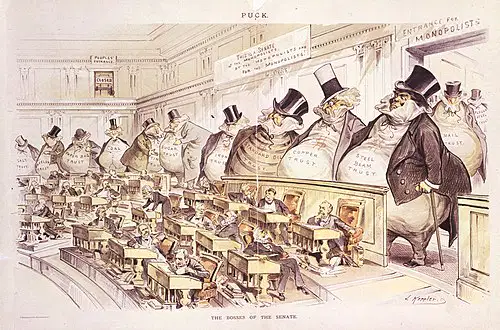
Why did Mark Twain refer to the late 1800s as the "Gilded Age"?
Everyone lived comfortably
There was constant war with other nations
Wealthy surface hid poverty and corruption in America
It was a time of enlightenment in literature and arts
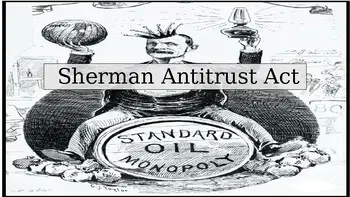
What was the main purpose of the Sherman Antitrust Act?
To regulate railroad rates across states
To break up monopolies and promote competition
To restrict immigration from Asia
To promote laissez-faire government policies
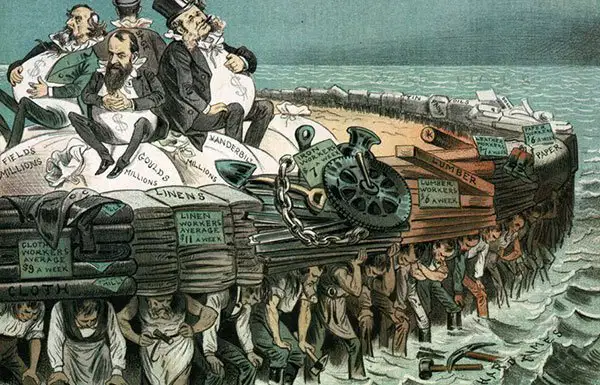
What is the parallel between the Gilded Age and present day?
Decline of urban populations
Complete government control of industries
Extreme wealth inequality and corporate influence on politices
Decreased immigration and isolationism

Based on this photograph, which statement explains one geographical impact of the use of technology during the Klondike Gold Rush?
It increased the biodiversity of habitats.
It increased the possibility of soil erosion.
It improved the possibility of disaster recovery.
It improved the ecosystem of water environments.

True or False: Native Americans were forced to assimilate through boarding schools and tribal lands divided into individual plots.
True
False

Which group of people resided in overcrowded tenement buildings?
Ranchers
Fishermen
Immigrants
Political Machines

What was one result with the invention of the light bulb?
Machines needed to be repaired less frequently.
Products could be manufactured on an assembly line.
Businesses needed to hire skilled workers.
Factories could extend working hours.

