
Font size
 Worksheets
art of budgeting
Total questions: 56
Worksheet time: 5hrs 40mins

Rent/mortgage payment
Fixed Expense
Variable Expense

paying for an amusement park ticket
Fixed Expense
Variable Expense

buying shoes
Fixed Expense
Variable Expense

phone bill
Fixed Expense
Variable Expense

Jackie is 30 years old, married, and has 2 kids ages 8 and 6. Her income is $40,000 net pay. How much should she try to set aside for an emergency fund?
$9,500
$20,000
$40,000
$80,000

According to the 50-30-20 rule, %50 of a person’s income should be spent on . . .
fixed expenses
variable expenses
savings

According to the 50-30-20 rule, %30 of a person’s income should be spent on . . .
fixed expenses
variable expenses
savings

According to the 50-30-20 rule, %20 of a person’s income should be spent on . . .
fixed expenses
variable expenses
savings

hats and gloves to wear in winter
need
want

a roof over your head/shelter
need
want

water
need
want
How do wages and salary differ?
Wages describe what you earn on an annual basis
Wages mean you have a standard amount in each paycheck
Salary describes what you earn on an annual basis
Salaried employees are likely to be paid for overtime
Budgeting is crucial to your financial success.
True
False
The amount of money you take home is called your
Net Pay
Total Pay
Gross Pay
Available Pay
The amount of money you make is called:
Taxes
Gross Pay
Net Pay
Available Pay
If an expense can NOT be removed from your budget to save money, it is considered a _____.
Income
Need
Want
Savings
Preparing a budget includes
Income, Expenses, and Saving
Only listing your debts
Only listing your expenses
Only listing your income
Examples of Fixed Expenses include:
Gas, food, phone
Cable, entertainment, food
Mortgage, loans, rent
Clothing, gas, food
David has an income of $15.50 and spends $10 a week at the game shop and $3.50 a week on art supplies. Is he within budget?
Yes
No
Which one is a fixed (same amount, same time) payment?
Groceries
Rent
Gas
Clothing

How do wages and salary differ?
Wages describe what you earn on an annual basis
Salary describes what you earn on an annual basis
Wages mean you have a standard amount in each paycheck
Salaried employees are likely to be paid for overtime

Which of the following are TRUE about gross income and net income? (hint: choose 2 correct answers)
Gross income and net income are the same
Net income is sometimes called "take home pay"
Gross income is the total amount earned before deductions
Net income is the total amount earned before deductions
Which of the following are TRUE about gross income and net income? (hint: choose 2 correct answers)
Gross income and net income are the same
Net income is sometimes called "take home pay"
Gross income is the total amount earned before deductions
Net income is the total amount earned before deductions
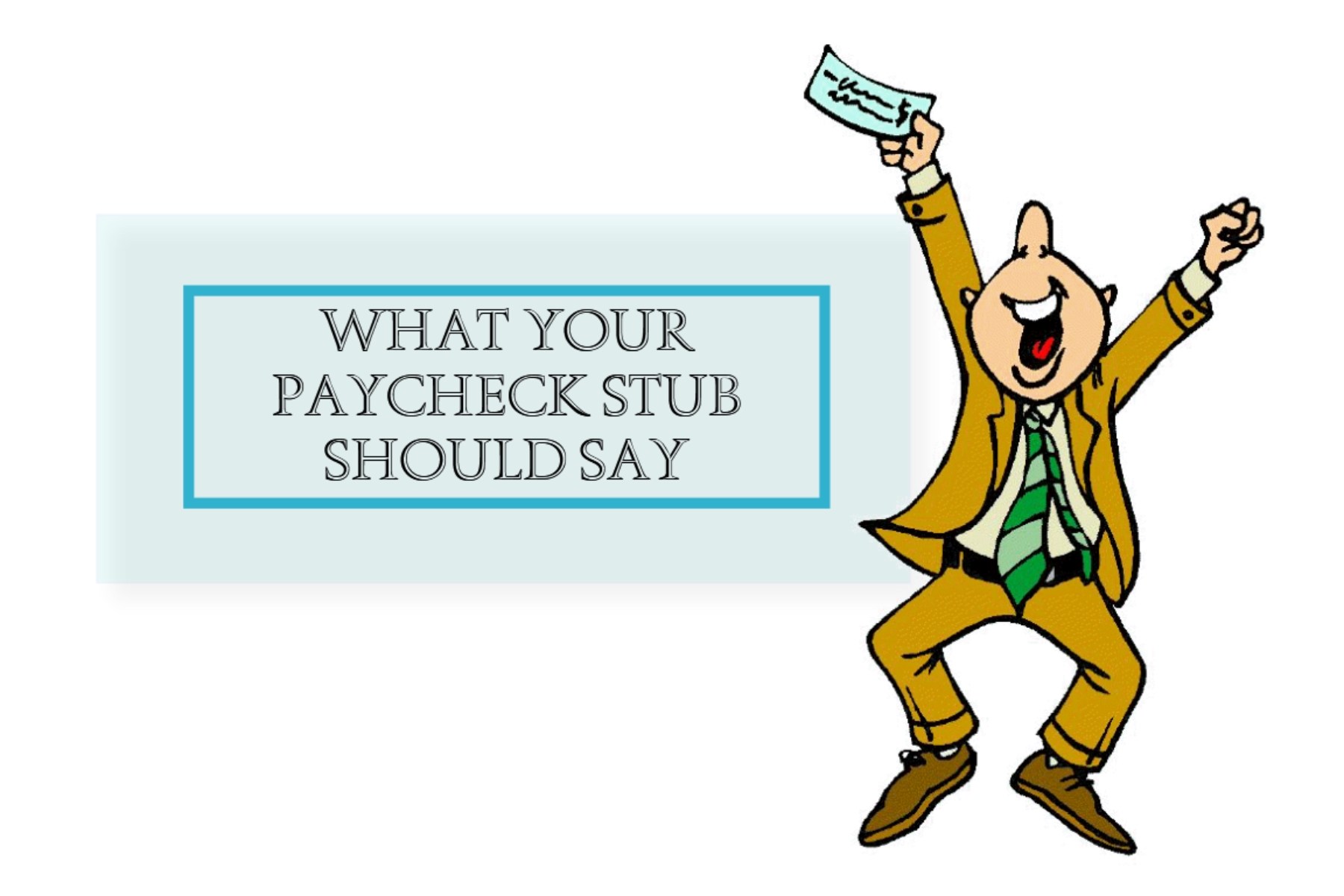
Which of the following may NOT always appear on your paycheck stub?
Gross Pay
Net Pay
Your Role/Title
Local Tax

It's common to have all of the following expenses BEFORE signing a lease EXCEPT...
Renter's Insurance
Application fee
Application deposit
Apartment hunting expenses
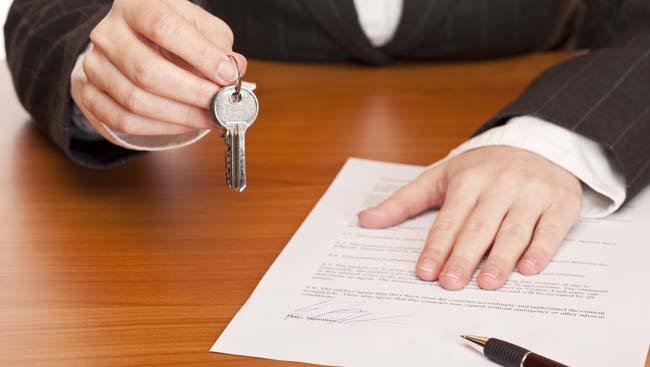
Which of the following might you pay WHEN you sign your lease?
Finder's fee
Application fee
Security deposit
Renter's insurance
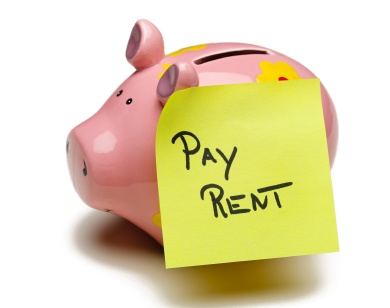
According to a rule of thumb, rent shouldn't take up more than ___ % of your take-home pay.
7-12%
10-15%
15-20%
25-30%

Which of the following would typically NOT be covered under renter's insurance?
A friend slips and twists his ankle in your living room
Your apartment is broken into and your laptop is stolen
A fire destroys 80% of your belongings
Your apartment is flooded, destroying your furniture
Which of the following is a step you can take to mitigate the risk of buying a used car? (hint: choose 2 correct answers)
Get a vehicle history report
Have a mechanic inspect the car after you buy it
Skip the test drive; you have time after you buy it to drive
But a certified, pre-owned car from the dealer
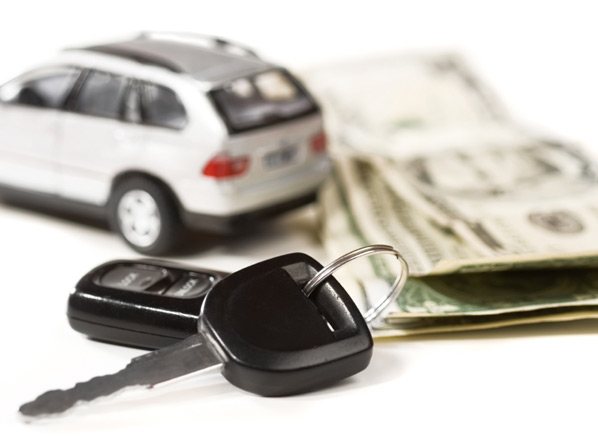
Which of the following is NOT a cost of owning a car?
License and Registration fees
Gasoline
Utilities
Insurance
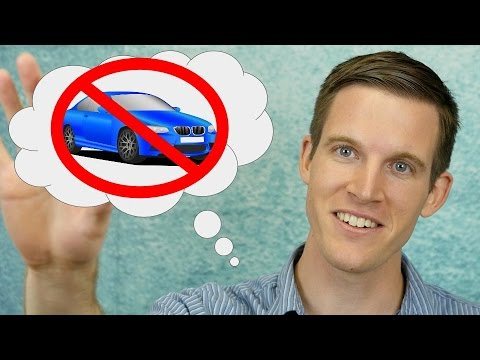
Which of the following reasons would explain why Justin has decided to forgo owning a car? (hint: choose 2 correct answers)
Public transportation infrastructure does not exist
The walking score in his city is high
He only has his driver's permit
There are numerous car dealerships in his area
About how much of your income should go towards transportation?
5-10%
15-20%
25-30%
35-40%

Jenna wants to decrease the amount of $ she spends on food. Which of the following would help? (hint: choose 2 correct answers)
Decide what she will make for dinner that same day
Go to the grocery store with a list
Go to the store whenever she needs 1-2 items
Keep staple foods (e.g. beans, rice) readily stocked
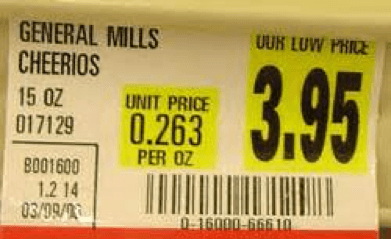
Which of the following is TRUE about unit pricing?
Unit prices can help you compare the prices of similar items
Unit price labels are universal throughout the country
It's easy to compare quantities on a unit price label
All states require unit price labels

A 18oz box of cereal costs $4.99. How would you calculate the unit price?
18oz / $4.99
9 oz / $2.50
$4.99 / 18oz
(18oz) x ($4.99)

6 cans of tomato soup cost $14.99. What is the unit price?
About $1.50
About $2.50
About $3
About $3.50
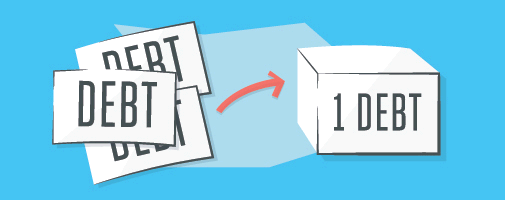
How can consolidating your student loans help your budget? (hint: choose 2 correct answers)
You'll pay more in interest over time
You can manage your money more easily since you're making just one payment
Your monthly payment may decrease
Your interest rate is guaranteed to decrease
What is a deductible?
The cost you and your insurance share
The amount your insurance pays before you pay
The discount you get on your health insurance every year
The amount you pay before your insurance begins to pay
How can consolidating your student loans help your budget? (hint: choose 2 correct answers)
You'll pay more in interest over time
You can manage your money more easily since you're making just one payment
Your monthly payment may decrease
Your interest rate is guaranteed to decrease
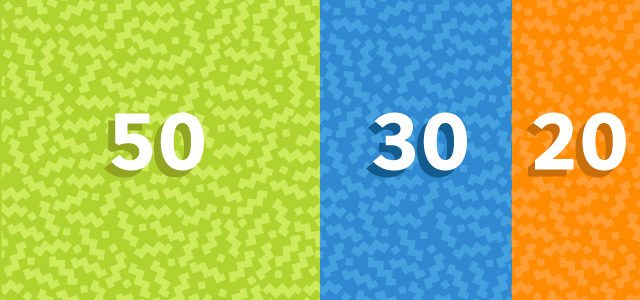
How does the 50/30/20 rule of thumb for budgeting allocate your income?
50% Needs, 30% Wants, 20% Savings & Debt Repayment
50% Wants, 30% Needs, 20% Savings & Debt Repayment
50% Savings & Debt Repayment, 30% Wants, 20% Needs
50% Needs, 30% Savings & Debt Repayment, 20% Wants
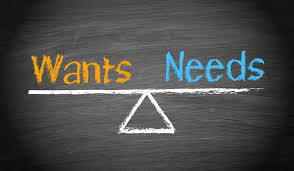
Which of the following is an example of buying something you NEED?
"I want to replace something that is no longer working."
"I want to impress someone/ change how they feel about me."
"I'm feeling down, and I need to boost my spirits."
"I don't want to miss out on these deals during the sale!"
If an expense can NOT be removed from your budget to save money, it is considered a _____.
Income
Want
Need
Savings
Which one is a fixed (same amount, same time) payment?
food
power
mortgage
petrol
Fixed or variable expense: Rent?
Fixed
Variable

