
 Worksheets
Interactions and Ecosystems topic 1
Total questions: 38
Worksheet time: 19mins
A group of organisms that have common characteristics and can reproduce to breed offsprings is called.......
ecosystem
community
species
population
A group of organisms of the same species that live in the same habitat is called .....
species
population
community
ecosystem
A community is a few species of different organisms that live together in one habitat and have mutual interaction with one another.
True
False
The non-living parts of an organism's environment are called...
community
biotic factors
habitat
abiotic factors
Water, Sunlight, Oxygen and Soil are all parts of an organisms ______________ environment.
biotic
abiotic
living
Choose the correct levels of Organization from lowest to highest...
population, community, ecosystem, organism
organism, population, community, ecosystem
organism, population, ecosystem, community
The living parts of an organisms environment are called its...
community
habitat
biotic factors
abiotic factors

Look at the picture carefully. Decide if the picture shows a population or a community.
All of the animals in the rain forest.
Population
Community

Look at each picture carefully. Decide if the picture shows a population or a community.
The deer in the forest.
Population
Community

Look at each picture carefully. Decide if the picture shows a population or a community.
The sharks in the Pacific Ocean.
Population
Community

Look at each picture carefully. Decide if the picture shows a population or a community.
All the species in the ocean.
Population
Community

Look at each picture carefully. Decide if the picture shows a population or a community.
The penguins in Antarctica.
Population
Community

Look at each picture carefully. Decide if the picture shows a population or a community.
All the organisms in the desert.
Population
Community

Look at each picture carefully. Decide if the picture shows a population or a community.
The Cardinals in Virginia.
Population
Community

Look at each picture carefully. Decide if the picture shows a population or a community.
All the animals in the grasslands.
Population
Community

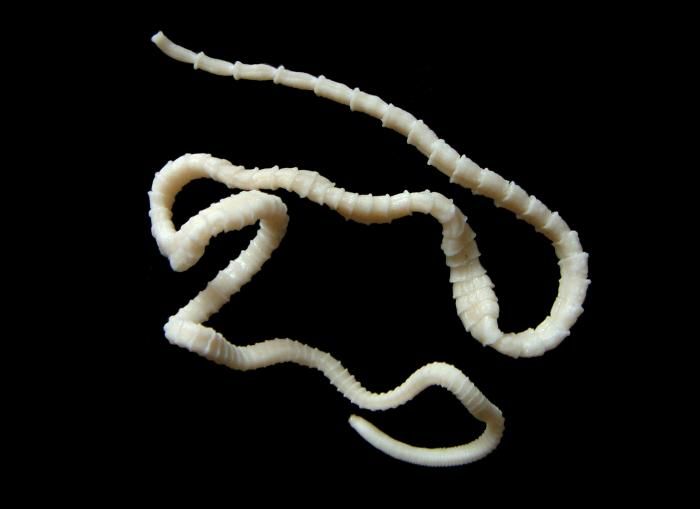
A tapeworm lives in the intestine of a cat absorbing nutrients through its skin. A tapeworm and a cat have this type of relationship.
mutualism
parasitism
commensalism
competition
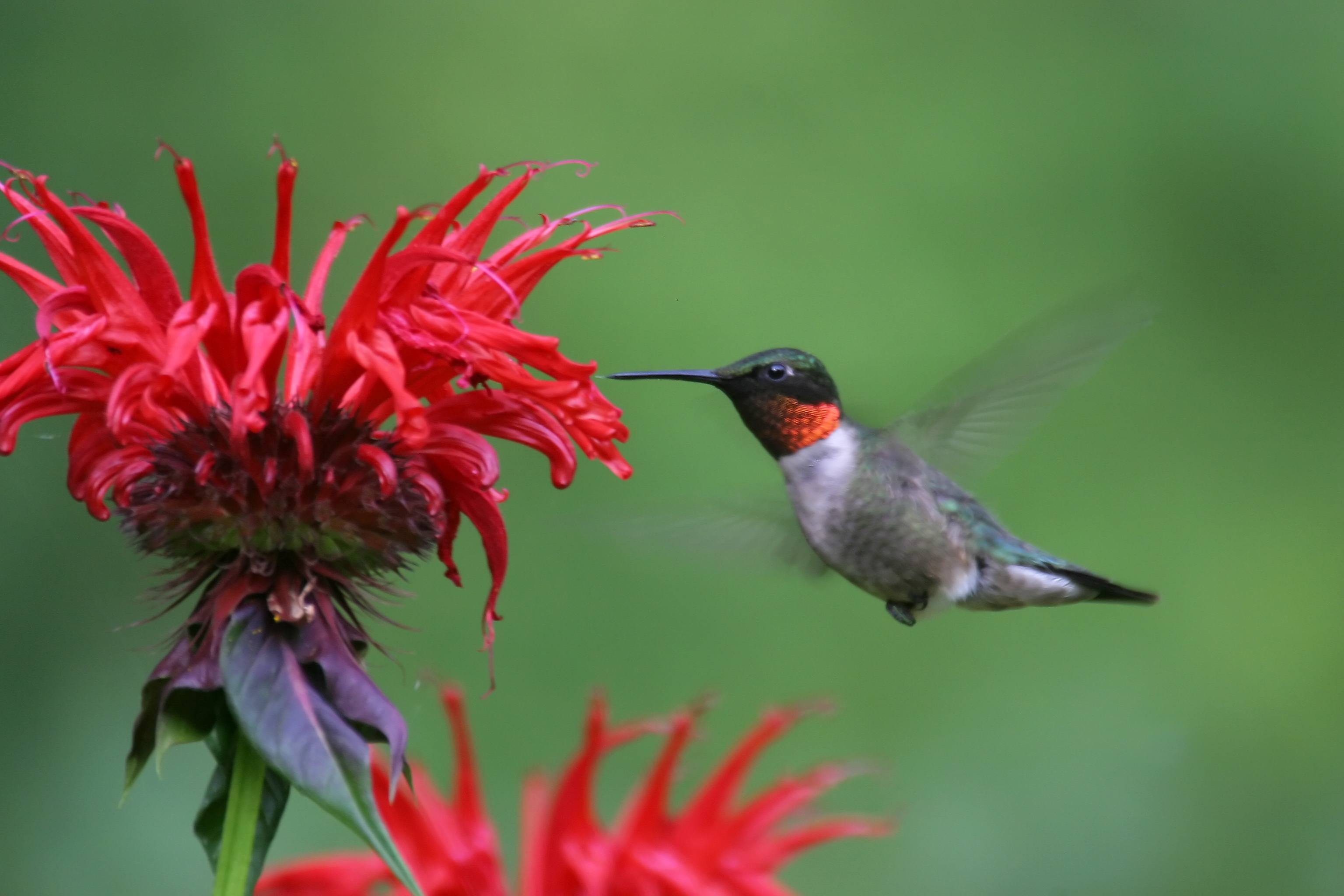
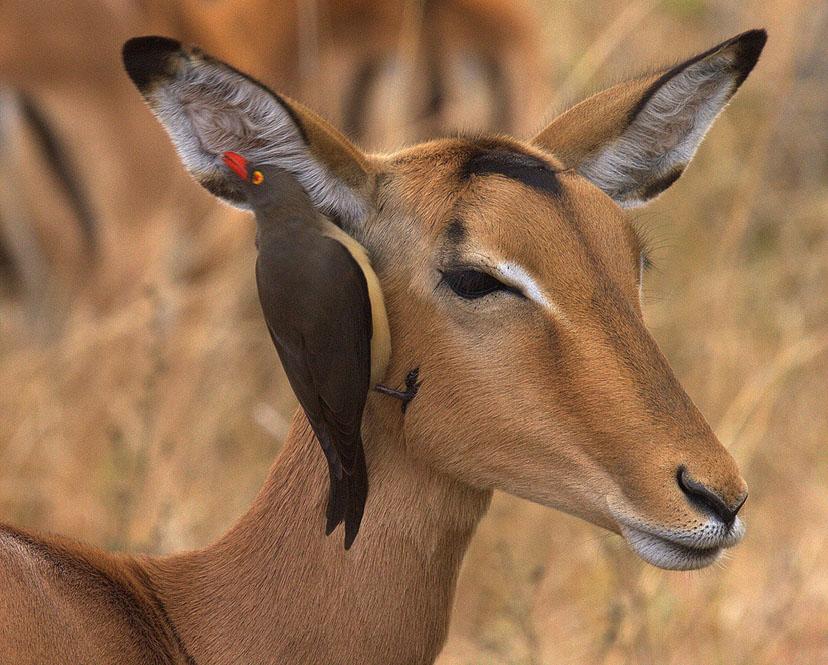
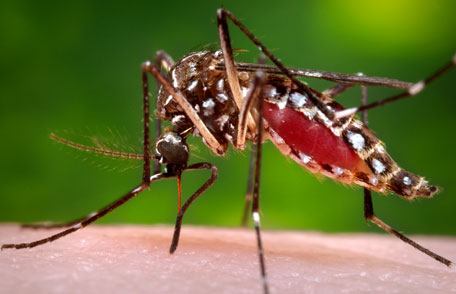

Aphids are tiny insects that live on and eat the leaves of plants, removing vital nutrients from the plants.
Predation
Parasitism
Commensalism
Mutualism

Mockingbirds will push the eggs out of a blue bird's nest and use the nest for it's own babies illustrating...
commensalism
parasitism
mutualism
predation

Clown fish live among anemones, acting as a lure for the sea anemone's prey. The clown fish get protection and shelter from the anemone. This is an example of which type of symbiosis?
Commensalism
Mutualism
Parasitism

A bee and a flower work together to benefit each other. This is an example of a ______. The bee helps the flower by pollinating it and the flower helps the bee by providing it with nectar.
commensalistic relationship
parasitic relationship
mutualistic relationship

In the jungles of South America lives a thorn tree call an acacia. A species of ant eats secretions of the acacia, drinks its sap, and raises its young in the hollow thorns. The ants also keep competing vines from growing near the acacia tree and they help repel any insects that would damage the acacia tree.
mutualism
commensalism
parasitism
Remoras are fish that swim alongside sharks, eating scraps that the sharks leave behind. This is an example of:
Amensalism
Commensalism
Parasitism
Mutualism
Mistletoe is a plant that grows in the branches of other plants. It grows by taking nutrients and water from these plants. This is an example of:
Mutualism
Commensalism
Parasitism
Amensalism


Living and non-living things interacting in the same place is called a(n):
Community
Population
Interaction hub
Ecosystem

