
NEW
Font size
 Worksheets
Vocabulary for Chemistry Unit Test
Total questions: 36
Worksheet time: 18mins
What is a proton?
a negatively charged particle in an atom.
a particle in an atom with no charge.
a positively charged particle in an atom.
a particle in an atom with excessive energy.
Anything that has mass and takes up space is referred to as ______.
Matter
Mixture
Mass
Chemistry
A ____ is made of 2 or more substances that DO NOT chemically combine.
molecule
mixture
substance
property
An atom is
any small simple particle
a small unit particle of an element
a small unit particle of a compound
a molecule
A molecule is
a particle made up of atoms joined together
a particle made up of different types of atoms joined together
any partilcle
a compound
An element is
a simple chemical
a complex chemical
a simple partilcle made of one type of atom
a particle made of different types of atoms
A compound is
a simple chemical
a simple chemical made of one type of atom
a simple chemical made up of two different types of atom
a simple chemical made up of different types of atom
elements always found to the LEFT of the jagged line on the periodic table.
metals
non-metals
metalloids
compounds
elements always found to the RIGHT of the jagged line on the periodic table.
non-metals
metals
metalloids
elements
elements that have properties of metals and non-metals; many of them directly touch the jagged line on the periodic table.
metalloids
mass
elements
compounds
The area in an atom that contains the electrons
atomic number
electrons
boiling point
electron cloud
Pure substance made of more than one kind of element
compound
electrons
atomic number
density
The same as the number of protons in an element
chemical property
atom
electron cloud
atomic number
The negatively charged particles in an atom
density
electrons
boiling
compound


In which mixture can you see all of the parts?
homogeneous
heterogeneous
In which mixture can you not see all of the parts?
homogeneous
heterogeneous

Rows on the periodic table are called ___________.
Periods
Sentences
Fences

The columns in the periodic table are called ___________.
Towers
Herds
Groups
Elements in the same group have __________
Similar Properties
Same number of shells
Similar Mass
The letter, C, is a ... of carbon.
Name
Nickname
Chemical Symbol
Pseudonym
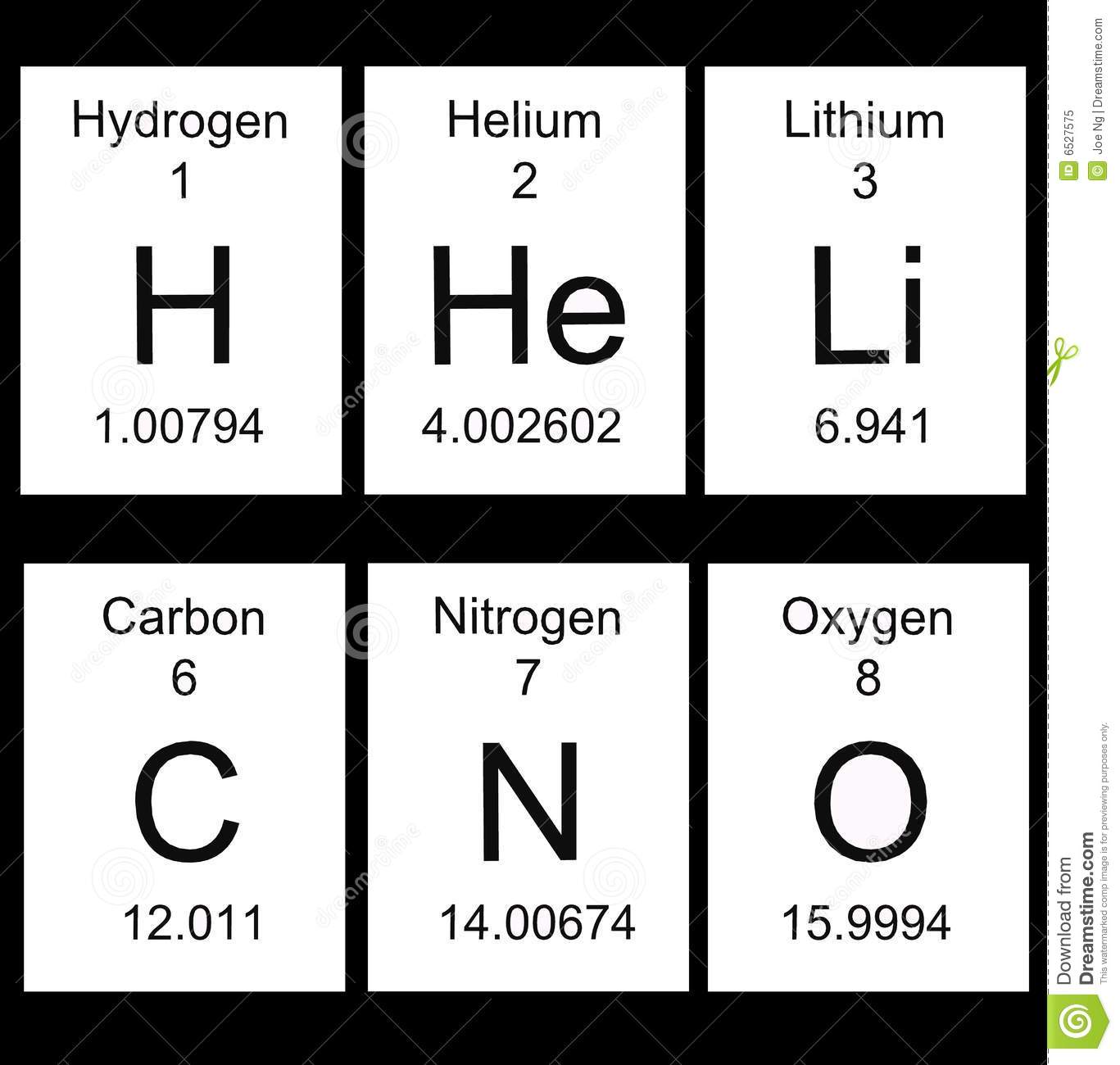
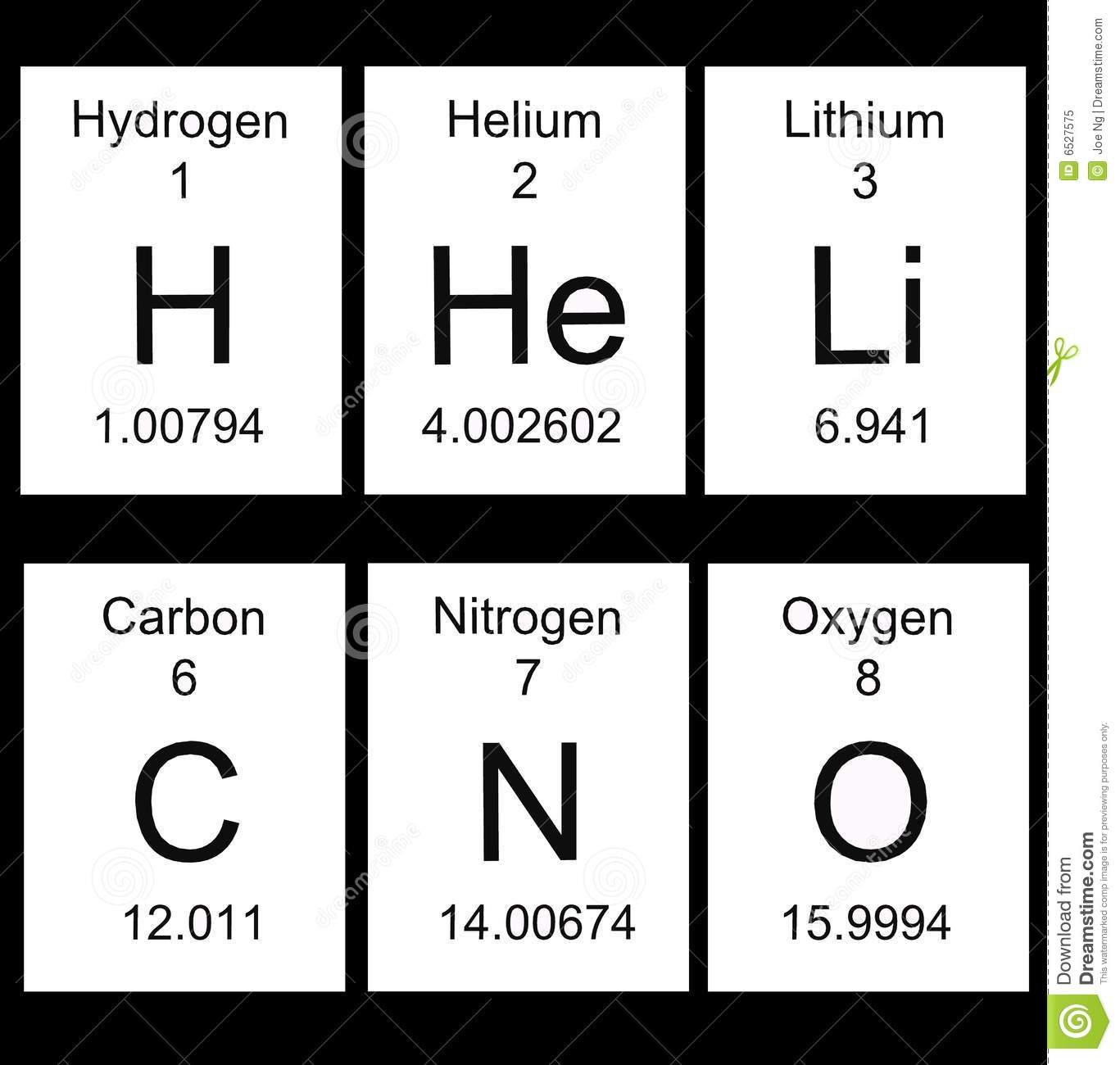
the positively charged subatomic particle contained in the nucleus of an atom
proton
neutron
electron
matter
a subatomic particle, contained in the nucleus of an atom, having the same mass as a proton but no electrical charge
proton
neutron
electron
matter
a negatively charged subatomic particle that orbits the nucleus of an atom
proton
neutron
electron
matter
a unique number for each element that equals the number of protons in an atom of that element
element name
element symbol
atomic number
atomic mass
the mass of an atom, calculated by adding the number of protons and neutrons in the nucleus of the atom
element name
element symbol
atomic number
atomic mass
True/False: Compounds are made of two or more different elements.
True
False

