
 Worksheets
Intro to Earth Science
Total questions: 14
Worksheet time: 7mins
What do scientists use to represent objects or processes that cannot be directly observed?
models
theories
laws
hypotheses
What is the Geosphere?
all of the oceans and water on Earth
all of the land, minerals, and rocks on Earth
all the air that surrounds Earth
all the life on Earth
What is the Atomosphere?
all of the oceans and water on Earth
all of the land, minerals, and rocks on Earth
all the air that surrounds Earth
all the life on Earth
All of the water on earth's surface, under ground and in the air makes up the
atmosphere
geosphere
hydrosphere
biosphere
The living things on Earth are all part of the
atmosphere
geosphere
hydrosphere
biosphere

TRUE or FALSE: Maps can be used to identify borders or to find somewhere you want to go.
True
False

What is the name of the Earth's outermost layer?
inner core
outer core
mantle
crust
The inner core of Earth is made of mostly
lava
liquid iron
solid iron
silica & oxygen
(Select the correct 2 answers) To find a location on a world map, you need both
the equator
degrees latitude
the prime meridian
degrees longitude
The cryosphere is made up of
the living things on Earth
all of the frozen water on Earth including glaciers and ice caps.
the manmade things on Earth
the blanket of gases that surrounds Earth
A horizontal circle half way between the north and south poles that separate Earth into the northern and southern hemispheres
longitude
the Prime Meridian
the Equator
degrees Celsius
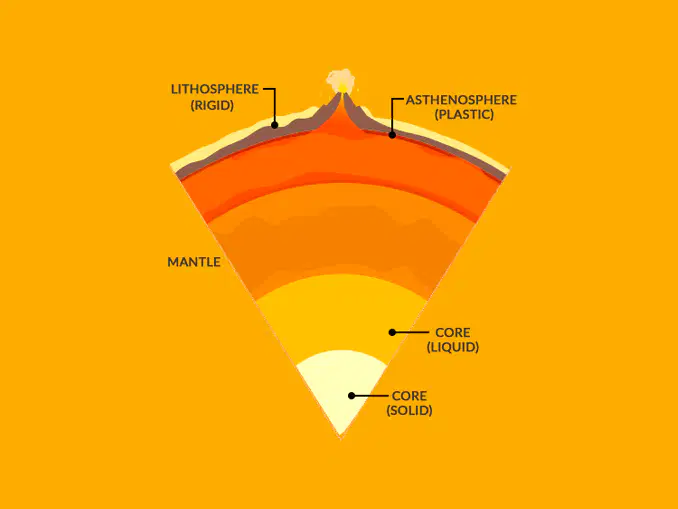
This layer of Earth behaves like a plastic solid, which allows the plates to move on top of it.
asthenosphere
crust
core
biosphere
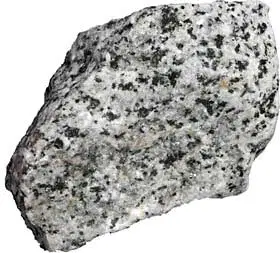
This type of crust is less dense, thicker, and is made up of more silica and light colored minerals.
Obsidian
Continental
Basalt
Oceanic

This type of crust is more dense, thinner, and is made up of more iron and dark colored minerals.
Obsidian
Continental
Granite
Oceanic

