
 Worksheets
Civics Unit 2 Review
Total questions: 75
Worksheet time: 56mins
Which of these ideas had the most influence on the American Revolution?
the Great Awakening
the Enlightenment
the Renaissance
Socialism
Which part of the U.S. Constitution lays out the basic purposes of the U.S. government?
the preamble
Article I
Bill of Rights
Article II
Laid out by Article I
of the Constitution, this branch of government is responsible for making laws. Which branch is it?
the executive branch
the legislative branch
the judicial branch
the Council of Censors
Which of the following is an example of a delegated power?
printing money
building roads
conducting elections
borrowing money
What powers does the Constitution explicitly give to the federal government?
concurrent powers
delegated powers
reserved powers
denied powers
What is the necessary and proper clause?
Also known as the elastic clause, this clause gives Congress all the powers it needs to carry out its enumerated powers.
This clause requires the states to cooperate with each others' laws.
This clause guarantees that all the states will continue to have governments that are chosen by the people.
What is the name of the system in which each branch of the U.S. government can limit the actions of the other branches?
perpetual union
division of powers
cooperative federalism
checks and balances
Which of the following is not an example of a check or balance put into the U.S. Constitution?
The Supreme Court declares an executive order unconstitutional.
Congress exercises oversight of executive agencies.
The president vetoes a bill passed by Congress.
Congress reviews a judicial decision and overturns the Supreme Court.
Governments where citizens have the power are
democracy
republic
monarchy
dictatorship
The idea that powers in government should be divided into three branches is called
separation of powers
social contract theory
natural rights
democracy
Which statement if FALSE about the Articles of Confederation?
Each state had one vote.
Congress was the only branch of government.
The national government coined money for all of the states.
The national government could not collect taxes.
The Articles of Confederation failed for these reasons EXCEPT
The central government was too weak.
The government could not pay off the war debt.
Only some states could vote.
There was only one branch of government (Congress).

Which principle of our government states that the power of governing comes from the consent of the people?
popular sovereignty
inherent rights
self-government
separation of powers
What did the delegates do to the Articles of Confederation?
Amend them
Throw them out
They did nothing
Which of the following is correct?
Virginia Plan: 2-house legislature with representation based on population
New Jersey Plan: 1-house legislature with equal representation for all states
Virginia Plan: 1-house legislature with equal representation for all states
New Jersey Plan: 2-house legislature with representation based on population
Virginia Plan: 1-house legislature with representation based on population
New Jersey Plan: 2-house legislature with equal representation for all states
None of the above
What was one goal or principle of the Constitution?
Suffrage
Limited Government
Commerce
Bicameral
The ability of each government branch to limit the power of the others is referred to as:
Separation of Powers
Checks and Balances
Limited Government
Popular Sovereignty
What great debate proposed a 2-house Legislature?
Virginia Plan
New Jersey Plan
Great Compromise
Constitutional Convention
What were some of the goals stated in the Preamble to the Constitution?
Form a more perfect union
Racial Equality
Insure Domestic Tranquility
Universal Suffrage
Provide for the Common Defense
What are concurrent powers?
Powers that are shared by federal and state governments.
Powers granted only to the federal government
Powers granted only to the state government
Powers granted only to the people
Who holds the power in National Supremacy?
States are the "supreme law of the land"
The people are the "supreme law of the land"
The federal government and Constitution are the "supreme law of the land"
The Taco Bell Burrito Supreme
What are enumerated powers?
Powers only given to the Federal Government
Powers only granted to the State Government
Powers shared by the Federal and State Governments
Powers explicitly granted to the People
Ratification of the Constitution required how many states to approve?
8
9
10
13
Which powers are only granted to State Government?
Reserved Powers
Enumerated Powers
Concurrent Powers
Kenny Powers
Which branch of government contains the U.S. Senate?
Executive
Legislative
Executive
None of the Above
Which of the following was NOT one of the goals in the Preamble to the Constitution?
Form a more perfect union
Insure domestic tranquility
Provide food and work
Promote general welfare
What are reserved powers?
Powers only given to the State Government
Shared powers between State and Federal Government
Powers only given to the Federal Government
Powers reserved for the individual citizen
Federalism refers to a
relationship between the national and state governments
relationship among the state governments.
political system in which power is vested in the state governments.
political system in which power is vested in the national government.
Who calls special sessions of Congress?
President
Executive
Legislature
Judicial
What branch of government can preside over and rule impeachment trials (check and balance of the other 2 branches)
Legislative
Judicial
Executive
Congressional
This is one way the Executive branch checks the Legislative branch?
Can veto laws
Appoints federal judges
Impeaches justices
Can declare Congress unconstitutional
What is one check the Judicial branch has on the Legislative branch?
Can veto laws
Can declare Congressional laws unconstitutional
Can impeach the President
Creates lower Federal courts
What is one check the legislative branch has over the executive branch?
Override a Presidential Veto
Judicial Review
Hear & Decide Cases
Veto Proposed Laws
Along with Separation of Powers, how is the power of federal government checked?
Interstate Commerce Regulation Act
Common Law
Federal vs State Powers
National Supremacy
What did the Supremacy Clause do?
Made state laws override federal laws in conflicts
Made federal laws override state laws in conflicts
Removed all state laws
Made conflicts between state and federal laws decided by a coinflip
Who ensures that state laws do not conflict with federal laws?
Supreme Court
Senate
House of Representatives
President
Anti-Federalists only agreed to support the Constitution if:
the Constitution included a Bill of Rights
the Constitution included a Declaration of Rights
the Constitution created a bicameral legislature
the Constitution reinstated a monarchy
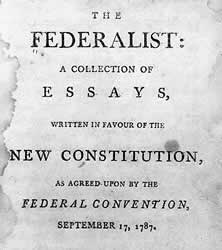
The "Federalist Papers" were written to:
Explain and convince the people into supporting the new U.S Constitution.
spark a new revolution among the American people against their government.
oppose a strong centralized government.
create a new monarchy.

Anti-Federalists were in favor of:
States Rights and the protection of individual rights.
A strong Central Government.
A Monarchy (King & Queen) to rule over the country.
a powerful National Government
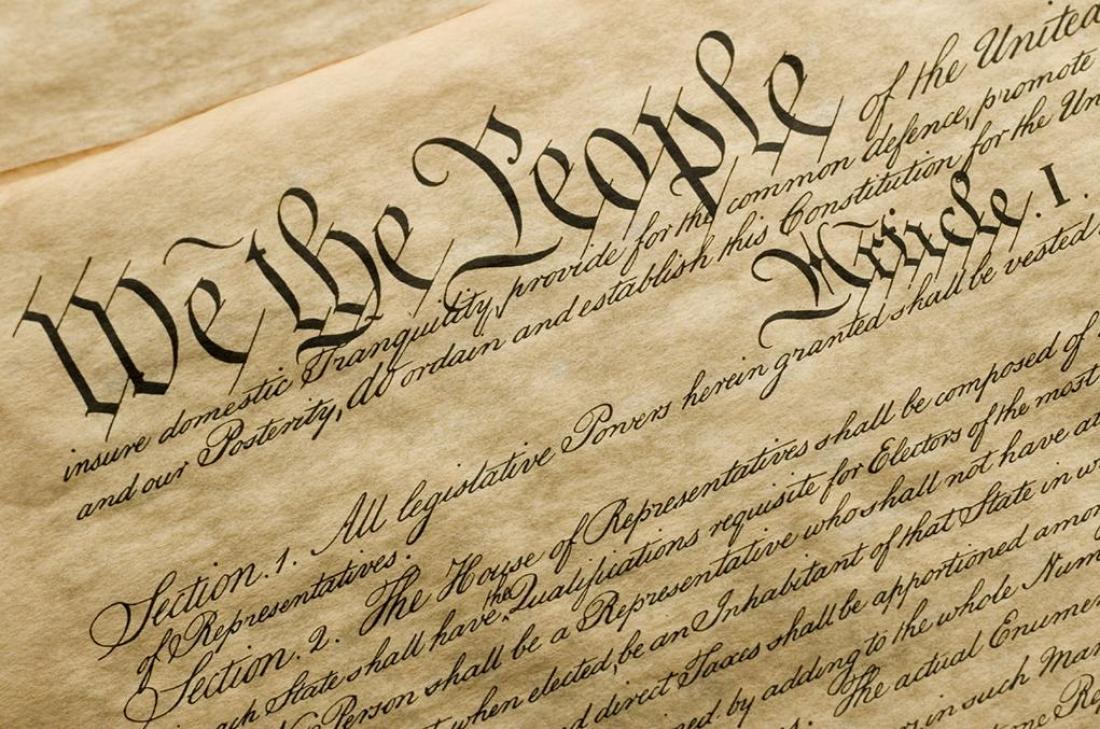
How did the Federalists and Anti-Federalists "compromise" to ratify (approve) the U.S Constitution?
The added the Bill of Rights (First 10 Amendments)
They outlawed cruel and unusual punishment.
Ensured due process of the law.
The Federalists threatened the Anti-Federalists to war.


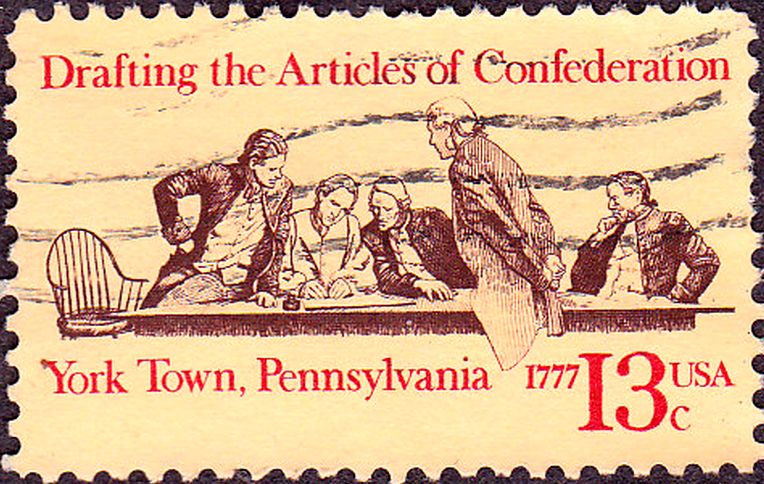
Which of the following correctly describes the Three-Fifths Compromise?
3/5 of each state's slave population would be counted for representation in congress.
The Virginia Plan and New Jersey plan would combined to form a bicameral legislature.
The Bill of Rights appeased the Anti-Federalists.
The preamble states "we the people" evidence of popular sovereignty.
approve
Separation of Powers
Checks and balances
Ratify
Bill of Rights
one who favored ratification of Constitution (strong central gov’t)
Federalist
Anti-Federalist
Patriot
Loyalist
one who opposed ratification of the Constitution (weaker central gov’t)
Federalist
Anti-Federalist
Loyalist
Patriot


When was the Constitution written?
1776
1781
1787
1789
Where was the Constitution written?
New York City
Philadelphia
Richmond
Washington, DC
How many articles are there in the Constitution?
27
7
10
3



