
Font size
 Worksheets
Tissues Checkpoint 2022-2023
Total questions: 30
Worksheet time: 27mins
epithelial cells are classified by layers and shapes
true
false
flat, pliable sheets of connective tissue that cover or line body organs and cavities are known as
adipose tissue
membranes
serious fluid
skeletal muscle
tissues can change as you age
true
false
The interior of your nose is lined with
mucous membrane
smooth muscle tissue
synovial membrane
which is NOT one of the four major tissues of the body?
muscle
nervous
epithelial
lymph
Goblet cells secrete:
hormones
mucus
salts
acids
two types of layering used to classify epithelial tissues
simple and stratified
columnar and squamous
cuboidal and columnar
squamous and simple
the 2 muscles types that are striated (select 2 answers
skeletal
smooth
cardiac

muscle tissue characterized by intercalated discs, single nuclei, and striations
skeletal
cardiac
smooth
epithelial layers can be simple one layer or stratified several layers
true
false
substances can diffuse rapidly through this simple tissue type
squamous epithelium
adipose tissue
hyaline cartilage
skeletal muscle
name the area which the basal surface of cells attach
mucous membrane
plasma membrane
basement membrane
cells

this tissue consists of a single layer of flat cells that resembles a tiled floor when viewed from its apical (top) surface
simple cuboidal epithelium
simple squamous epithelium
simple columnar epithelium
tissues formed by a single layer of cells that give the appearance of being made from multiple layers
pseudostratified columnar epithelium
simple cuboidal epithelium
transitional epithelium

osseous tissue can be described as
muscle
bone
skin

what type of tissue is blood?
epithelial
connective
muscular
nervous
which is the most abundant tissue in the body?
epithelial tissue
muscle tissue
connective tissue
nervous tissue
which tissue type forms the glands of the body?
skeletal
adipose
nervous
epithelial


Identify the image:
Cuboidal
Columnar
Squamous

Identify the image:
Columnar
Cuboidal
Squamous

Identify the image:
Columnar
Squamous
Cuboidal

Identify the type of connective tissue from the picture above.
adipose/fat
areolar
blood
lymph
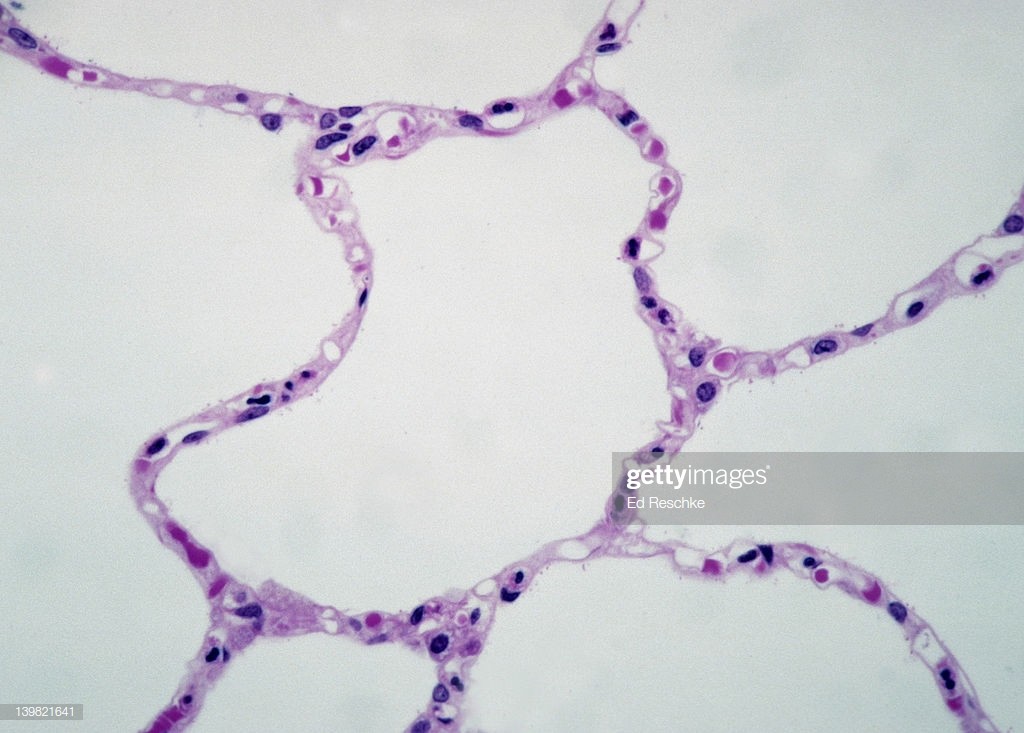
What type of epithelium lines the air sacs in this slide of lung tissue?
simple cuboidal
simple columnar
simple squamous
pseudostratified columnar

What is the function of the nerve cells?
They are responsable of your defense mechanism.
They transmit signals or messages to other neurons, organs or glands.
They transmit substances to your endocrine system to produce hormones.

