
 Worksheets
Philippine Literature - Online Review Quiz
Total questions: 50
Worksheet time: 38mins
Our flag was hoisted on ___________.
June 12, 1898
June 19, 1998
June 22, 1889
June 12, 1988
The first president of the Philippines.
Pres. Emilio Jacinto
Pres. Emilio Aquinaldo
Gen. Emilio Aguinaldo
Gen. Emilio Jacinto
The New Day is established by __________.
Pascual Poblete
Sergio Osmeña
Rafael Palma
Aurelio Tolentino
These are the three group of writers during American Period, except ________.
Spanish Writers
Tagalog Writers
English Writers
American Writers
These writers were inspired to write in praise of Jose Rizal, except ____________.
Cecilio Apostol
Tomas Remigio
Jesus Balmori
Claro M. Recto
It means a black, wooly caterpillar.
Cristalides
Crissiladas
Criselidas
Crisalidas
The first woman poet in the Philippines who was good in Spanish.
Adelina Guevara
Adelina Guerera
Adelina Guerrea
Adelina Guererro
The following are the three kinds of Tagalog poets, except _______.
Poet of the Heart
Poet of History
Poet of Life
Poet of the Stage
BANAAG AT SIKAT was his masterpiece.
Jose Corazon de Jesus
Amado V. Hernandez
Valeriano Hernandez Peña
Lope K. Santos
Popularly known as Huseng Batute.
Jose Corazon de Jesus
Amado V. Hernandez
Valeriano Hernandez Peña
Lope K. Santos
Makata ng mga Manggagawa
Jose Corazon de Jesus
Amado V. Hernandez
Valeriano Hernandez Peña
Lope K. Santos
He was known as Tandang Anong.
Jose Corazon de Jesus
Amado V. Hernandez
Valeriano Hernandez Peña
Lope K. Santos
A free verse poem that contains 17 syllables and divided into three lines.
Haiku
Tanaga
Usual Poem
Sonnet
He won the Pulitzer Prize for his bestsellers I SAW THE FALL OF THE PHILIPPINES, I SEE THE PHILIPPINES RISE etc...
Carlos P. Rumolo
Raul Manglapuz
Carlos P. Lopez
Carlos P. Romulo
The seeds of activism resulted in the declaration of Martial Law in ______.
1982
1972
1928
1982
The title of the short story written by Genoveva Edroza that won first prize in Palanca Memorial Awards in 1950-51.
Mabangis na Kamay
Ang Kwento ni Mabuti
Planeta, Buwan at mga Bituin
Bukang Liwayway
The youth became completely rebellious during this period.
Martial Law
People Power Revolution
Period of Activism
Japanese Period
The author of the book that truly represents the writers who were eyewitnesses to this time "of terror and wrath."
Jose F. Labaca
Jose F. Corazon
Jose F. Lacbaca
Jose F. Lacaba
The composer the the Filipino song, ANAK.
Freddie Garcia
Freddie Aguilar
Freddie Aguillar
Freddie Aguiler
The following are the leading newspapers during the Period of New Society, except ___________.
Bulletin Today
Times Journal
Pilipino Express
Kislap Balita
None of the above

A term used to describe written and sometimes spoken material. It is also efers to works of the creative imagination, including poetry, drama, fiction, nonfiction, and in some instances, journalism, and song.
Autobiography
Litereture
Poetry
Literature

A self-written account of the life of oneself and a history of a person's life written or told by that person.
Aotobiography
Autobiography
Autoboigraphy
Autobiograpy

Battle of wits among participants
Proverbs
Tanaga
Riddles
Short Story

Sinakal ko muna, bago ko nilagari
Gitara
Sinturon
Violin
Kutsara

Malambot na parang ulap, kasama ko sa pangarap
Ulam
Ulap
Unan
Uhaw
He is the writer of notable work Florante at Laura
Francisco Baltazar
Jose Rizal
N.V.M. Gonzales
It is done in verse and with rhyming where two protagonist debate the merits of a theme
Deabate
Balagtasan
Pagtatalo
Date where the first Balagtasan was held.
March 1922
March 1923
March 1924
Notable works during the Spanish Period
(a)
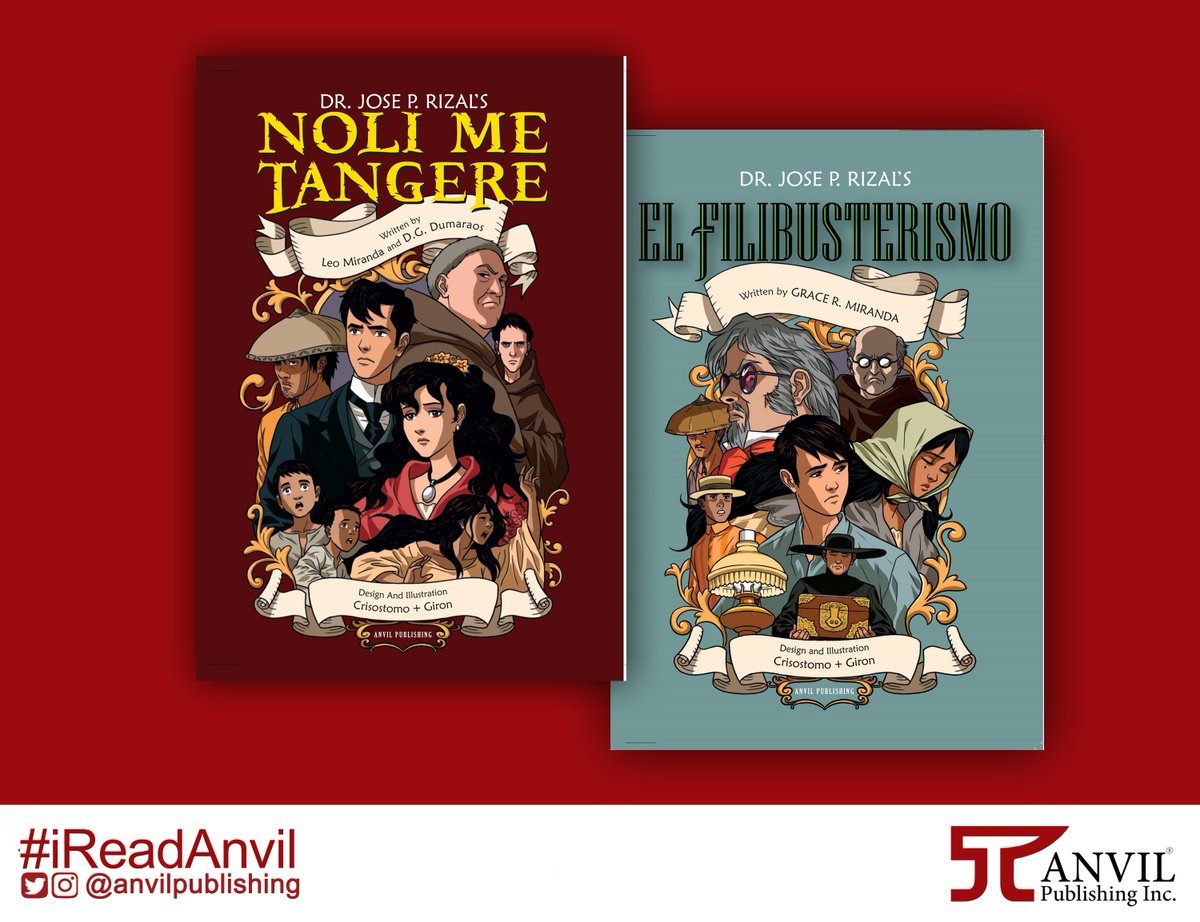
During this period, Jose Rizal's works such as Noli Me Tangere and El Filibusterismo were written to awake the mind of our countrymen.
Pre-colonial Period
Spanish Colonization
Nationalistic/Propaganda & Revolutionary Period
American Colonial Period
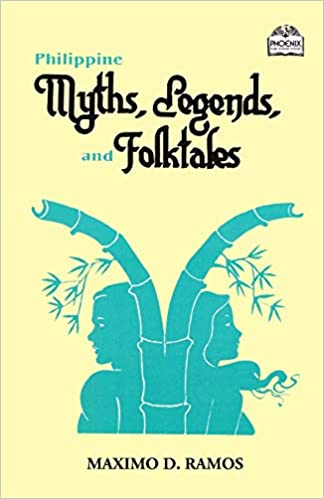
The Philippines had literature such as legends, folktales, folksongs, and the like.
Pre-colonial Period
Nationalistic/Propaganda & Revolutionary Period
Spanish Colonization
American Colonial Period
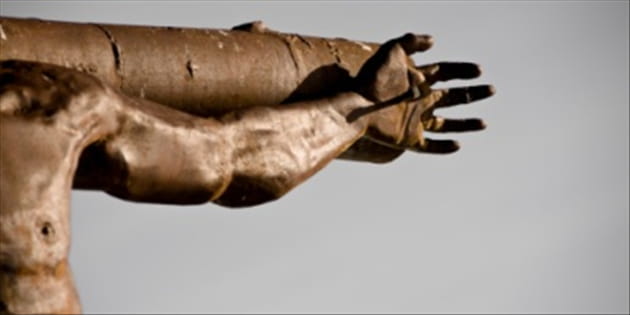
This period has two distinct classifications: religious and secular literature.
Pre-colonial Period
Spanish Colonization
Nationalistic/Propaganda & Revolutionary Period
American Colonial Period

Haiku and Tanka were influenced by what period?
Spanish Colonization
American Colonial Period
Japanese Occupation
Contemporary/Modern Period

This period presented new trends in writing using modern technology.
Spanish Colonization
American Colonial Period
Japanese Occupation
Contemporary/Modern Period
English as a medium of instruction was introduced in the school as the intellectual language of education in this period.
Spanish Colonization
American Colonial Period
Japanese Occupation
Contemporary/Modern Period

Check two examples of Awit:
Florante at Laura
Ibong Adarna
Bernardo Carpio
Si Manang Alimango
Check two examples of Korido:
Florante at Laura
Ibong Adarna
Bernardo Carpio
Si Manang Alimango
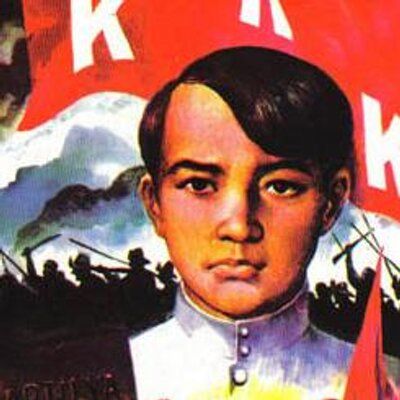
The period where Emilio Jacinto made the newspaper of the society.
Pre-colonial Period
Spanish Colonization
Nationalistic/Propaganda & Revolutionary Period
American Colonial Period
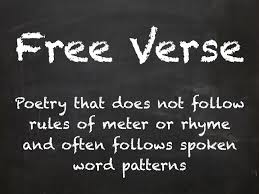
The period where Tagalog poets wrote in simple language and free verse.
Nationalistic/Propaganda & Revolutionary Period
American Colonial Period
Japanese Occupation (War Years)
Japanese Occupation (Period of Maturity and Originality)

The use of the vernacular in regional literature is ___________
discouraged because many people do not understand a piece not written in either English or Tagalog
encouraged so that the culture and tradition of a people are upheld despite effects of modernity
opposed for the reason that it constraints the expression of thoughts, feelings, and ideas of a writer
affirmed by many for it allows free flow of feelings and in-sights not understandable to readers
The force that creates the struggles between two or more characters in a story.
Conflict
Setting
Theme
Sketch
Prose came from the Latin term________ , which means straightforward discourse.
prose
prosa
pros
pross
The end part of a story is called____________.
Resolution
Climax
Exposition
Falling action.
It is the central idea or belief in a short story
Motiff
Theme
Point of View
Shadow
It is a form of poetry that has a similar structure to that of a novel or short story but in verse form
Narrative Poetry
Dramatic Poetry
Lyric Poetry
Prose Poetry
Is an external conflict that a character struggles with
another character.
Internal conflict
Man vs. man
Man vs. Nature
Man vs. Society
One of the characters tells the story, talks directly to the reader.
Third Person Limited
First Person
Third-Person Omniscient
Second person
The very first book printed in the Philippines in 1593.
DOCTRINA CHRISTIANA
QURAN
HOLY BIBLE
NINAY
One of the Filipino Pensionados and the fifth Supreme Court Chief Justice of the Philippines that can now be seen at the back of the 1000 peso bill together with Josefa Llanes-Escoda and Vicente Lim.
Jose Lacaba
Jose de la Cruz
Jose Abad Santos
Jose Francisco
A Filipino statesman and writer born in Tiaong, Tayabas (Now Quezon). He authored Bajo Los Cocoteros in 1911.
Claro M. Recto
Manuel L. Quezon
Carlos P. Romulo
Pedro Paterno

