
 Worksheets
Environmental Systems
Total questions: 40
Worksheet time: 37mins
All material in the universe that has mass and occupies space is called...
element
compound
space
matter
The central core of every atom is called a(n)...
proton
nucleus
neutron
atom
3:Which type of macromolecule can act as hormones and serve as enzymes?
protein
carbohydrate
nucleic acid
fat
Water molecules are composed of...
1 hydrogen and 2 oxygen
2 carbon 1 oxygen
1 carbon, 1 hydrogen, 1 oxygen
1 oxygen 2 hydrogen
The characteristic that is responsible for water's unique properties
surface tension
polarity
capillary action
ability to dissolve many substances
Which of Earth's spheres consists of the layers of gases surrounding our planet?
geosphere
atmosphere
biosphere
hydrosphere
What is the name of the thin layer of rock that forms Earth's outer skin?
crust
mantle
core
asthenosphere
Which sphere of Earth is made of all the rock above and below Earth's surface?
lithosphere
hydrosphere
geosphere
atmosphere
97% of Earth's water is
freshwater
frozen water
groundwater
salt water

This sphere is the collection of air and gases around the earth.
atmosphere
biosphere
hydrosphere
lithosphere

This sphere consists of all living things on Earth.
atmosphere
biosphere
lithosphere
geosphere

This sphere is any part of the Earth covered by water.
atmosphere
biosphere
hydrosphere
lithosphere

This sphere is the Earthś solid surface.
lithosphere
biosphere
hydrosphere
atmosphere

This sphere includes the continents, the ocean floor, all the rocks on the surface, and all of the sand in the deserts.
Hydrosphere
Atmosphere
Biosphere
Geosphere
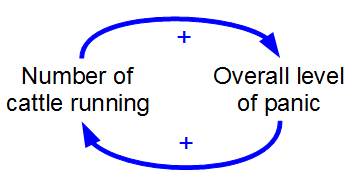


A ________________ feedback loop makes a system more stable.
Positive
Neutral
Negative
Circular

A _________________ feedback loop moves a system to an extreme.
Positive
Neutral
Circular
Negative

A wolf population is introduced into an ecosystem, causing the deer population to decrease. The wolf population decreases as the deer population decreases, allowing the deer to begin to increase again. This is an example of what type of feedback?
Neutral
Ecosystem
Positive
Negative
Any adjustment to input or output rates caused by changes to a system are
feedback
steady state
closed system
open system


What kinds of resources make up your ecological footprint?
waste production
water and energy use
food and shelter
clothing and transportation
All of the above

Which of these is a good method for reducing your ecological footprint?
Save energy, food, water, shelter, and produce less waste such green house gases and sewage.
Drive less, fly less, turn off lights
Compost and live in a smaller house
All of the above

Which of these countries have the highest Eco-Footprint per capita?
Kenya
United States
Brazil
Russia

Scientists divide Earth into spheres, which are often described by their _______________________ rather than by their location.
size
location
makeup
temperature

A ______________________ is a process in which the outputs of a system are circled back and used as inputs.
ecological model
feedback loop.
environmental system
eco footprint
All of the carbon in existence is continually recycled in the carbon cycle.
What converts nitrogen gas into a usable form for plants and animals?
bacteria
rain
fungi
car exhaust
The process in which nitrogen circulates and is recycled is called
The nitrogen cycle
The carbon cycle
The water cycle
The phosphorus cycle
Organisms that need nitrogen to survive.
only plants
only animals
only bacteria
all living things
How do animals get the nitrogen they need?
From the air they breathe
From the water they drink
From the food they eat
From the sun


