
NEW
Font size
 Worksheets
Nervous / Sensory System Review
Total questions: 40
Worksheet time: 22mins
A body part that responds to information from the outside world
brain
taste buds
optical illusion
sense organ
Select the five organs that make up the sensory system.
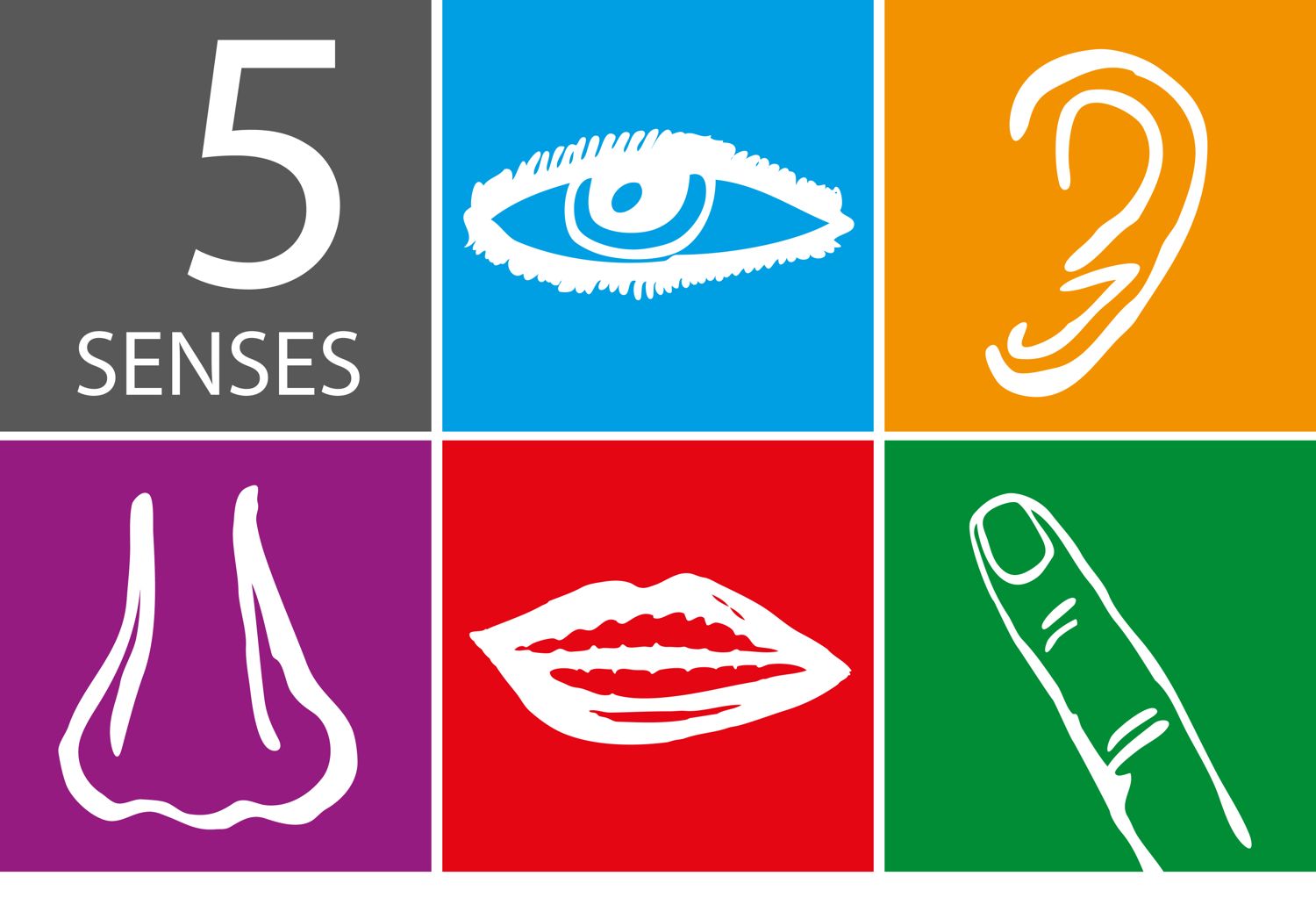
Smell, eyes, touch, tongue and hearing.
Tongue, skin, sight, smell and ears.
Touch, ears, nose, eyes and tongue.
Ears, tongue, skin, eyes and nose.
Your sense of smell and taste are part of what system?
Digestive system
Nervous system
Ionic system
Respiratory system
The skin senses for which of the following?
Temperature
Pressure
Pain
Touch
The skin can sense all of these

Something you detect using your sensory receptors is called a...
stimulus
reflex
sense
touch
The two major parts of the nervous system are the
brain and spinal cord
central and somatic nervous systems
sympathetic and parasympathetic systems.
peripheral and central nervous systems
The speed of neural conduction between neurons will result in difficulties in speaking, vision, and balance if the ________________ insulating the axons is damaged or removed.
Axon
Myelin Sheath
Nucleus
Brain
Dr. Vazquez is examining a cell from the nervous system of an animal. He notices that at one end of the cell body is a long, fibrous strand of tissue. He immediately recognizes this as an axon that is responsible for
carrying signals away from the cell body
receiving signals from other cells and carrying them toward the cell body.
determining the speed at which an action potential will travel
determining whether the cell inhibits or excites neighboring neurons
Dopamine and Serotonin are examples of _______________
Axon
Neurotransmitters
Somatic Nerves
Autonomic Nerves
Neurotransmitters are ______________ that travel across the ______________ to another cell.
electrical signals; receptors
electrical signals; synapse
chemicals; receptors
chemicals; synapse
The branch like figures that receive impulses & conducts them to the cell body
Dendrite
Axon
Cell Body
Myelin Sheath
Rods are light sensitive cells in the retina that
give you color vision in dim light
respond in dim light
give you color vision in bright light
respond in bright light
Cones are light sensitive cells in the retina that
give you color vision in bright light
respond in dim light
give you color vision in dim light
respond in bright light
The optic nerve transmits signals to the
temporal lobe
parietal lobe
occipital lobe
frontal lobe
The pupil is located at the center of the
sclera
iris
retina
nothing
The vitreous humor is
gel like and gives the eyeball its shape
watery and gives the eyeball its shape
The blind spot is created by the
retina
optic nerve leaving the eye through the retina
nothing; we don't have one
The human eye is surrounded by how many muscles?
4
2
6
5
The optic nerve has a covering that helps protect and insulate it called the
muscle fiber
fat layer
myelin sheath
trash bag


What does the eustachian/auditory/pharygnotympanic tube do ?
helps with balance and equilibrium
filters out ear wax
Equalizes pressure between the middle and outer ear

What part of the inner ear helps you keep your balance ?
Vestibule
the Ossicles (MISO)
Pinna
Semicircular canals

What are the ossicles of the ear ? (1,2,3 in order )
Malleus,incus,stapes (MISO)
Incus,vestibule,oval window

What is the middle ear filled with in a healthy ear?
endolymph
perilymph
air
water

What are the three main sections of the hearing system?
outer ear, middle ear, inner ear
ear, nerve, brain
left ear, right ear, brain

Senses that respond to chemicals in solution utilize which of the following:
Meissner's corpuscle
chemoreceptors
crista ampullaris
beta lactamase
Which of the following senses are most closely related:
touch and smell
smell and taste
taste and hearing
hearing and smell

The nerves associated with smell are referred to as the:
olfactory receptor cells
smell cells
gustatory receptor cells
umami cells
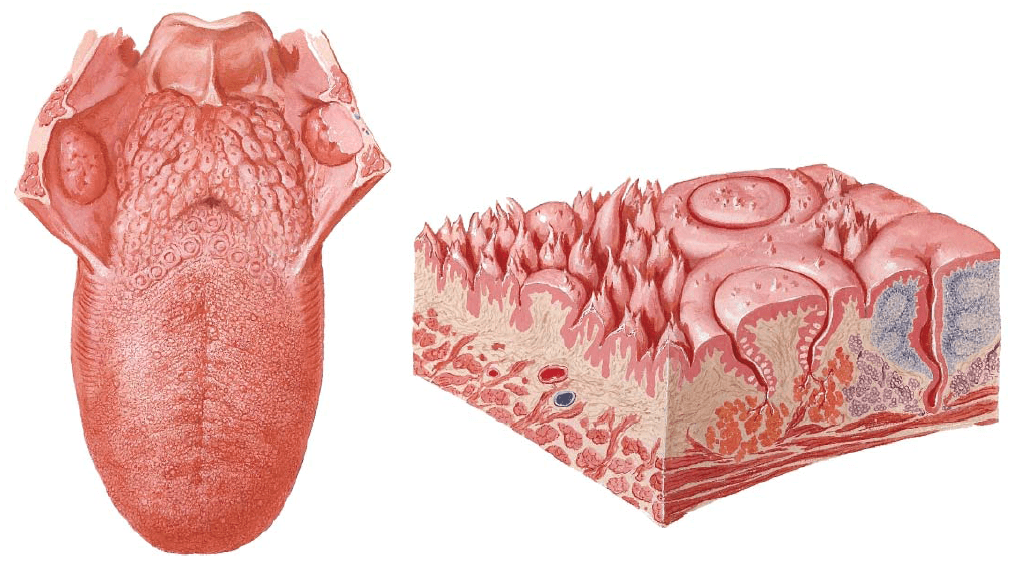
Small projections located on the tongue’s surface where taste buds are located are known as:
papillae
gustatory cells
olfactory epithelium
mucous producing glands
Our noses can detect chemicals in the air
True
False

Which of the following statements is incorrect?
Taste is referred to as the gustatory sense.
Taste is referred to as the olfactory sense.
There are five primary tastes.
Taste buds are specialised to be more sensitive to one of the primary tastes.

The papillae are:
The bumps on the tongue that contain the taste buds.
The taste buds.
Receptors which are found in the nose.
Receptors in the back of the eye which detect light.
The skin senses for which of the following?
Temperature
Pressure
Pain
Touch
The skin can sense all of these
The outer ear, responsible for gathering and focusing sound waves, is called the
anvil
pinna
stirrup
cochlea
The portion of the outer ear which sound waves hit, leading to vibrations which are passed along to the tiny bones of the middle ear, is the
ear canal
ear drum
auditory nerve
cochlea
The cochlea of the inner ear is lined with ______ to create an electrical signal which travels to the brain.
photoreceptors
chemoreceptors
neuroreceptors
mechanoreceptors
Proprioception relies on inputs from all of the following sensory systems EXCEPT
the eyes
the skin
the nose
the inner ear

