
Font size
 Worksheets
Nutrition in animals
Total questions: 120
Worksheet time: 3570secs
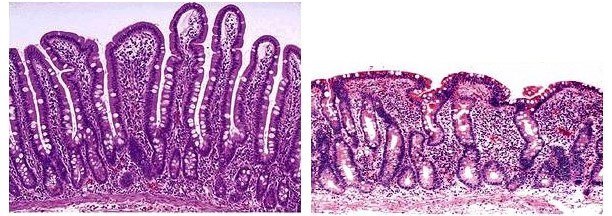
Digestion converts protein into which simpler substance?
(a)
The enzymes present in the saliva convert
fats into fatty acids and glycerol.
starch into simple sugars.
proteins into amino acids.
complex sugars into simple sugars.
The piercing and tearing teeth is called
incisor
Canine
Pre-molar
Molar
Which of the following pair of teeth differ in structure but are similar in function?
canines and incisors.
molars and premolars.
incisors and molars.
premolars and canines.
The basic process of digestion of food and release of energy is not the same in all animals.
TRUE
FALSE
Choose the correct order after reading the statement below.
Digestion is a complex process involving:
Ingestion, Absorption, Digestion, Assimilation, Egestion
Ingestion, Digestion, Assimilation, Absorption, Egestion
Ingestion, Digestion, Absorption, Assimilation, Egestion
Ingestion, Absorption, Assimilation, Digestion, Egestion
1) Glucose combines with oxygen and produces _________.
Gas
Energy
Liquid
Carbon
______ takes in food by the use of pseudopodia.
Goat
Tiger
Amoeba
Human
Water from the undigested food is absorbed mainly in the_____.
Stomach
Food Pipe
Small Intestine
Large Intestine
_____transports the nutrients from the undigested food to every cell of the body.
Oxygen
Blood
Water
Nitrogen
The ___ helps in mixing saliva with food.
Heart
Stomach
Nose
Tongue
____ is the largest gland in our body.
Skin
Hand
Liver
Leg
The mode of feeding of the mosquito_____.
Chewing
Cuddling
Scraping
Sucking
Mostly grass eating animals are called____.
Carnivore
Omnivore
Ruminants
Scavenger

The process of intake of food is called...........
Ingestion
Digestion
Absorption
Assimilation
The longest part of the digestive tract in humans is the ........................
Oesophagus
Stomach
Small Intestine
Large Intestine
Human dental formula is ...................
2123 / 2123
2231 / 2231
1223 /1223
2131 /2131
The digestive juice which doesnot contain digestive enzymes .
Saliva
Gastric juice
Bile juice
Pancreatic juice
How many Incisors will be there in adult buccal cavity including upper jaw and lower jaw?
2
4
6
8
Identify ruminant from the following.
Cat
Cow
Ant
Tiger
In amoeba,ingestion of food takes place with the help of false feet called................
Vacuole
Lysosome
Arms
Pseudopodia
Largest gland in the human body
Buccal cavity
Brain
Liver
Intestine
Name the process by which the digested food molecules are taken up by the intestine wall and sent to circulatory system.
Assimilation
Digestion
Absorption
Egestion
______ takes in food by the use of pseudopodia.
Goat
Tiger
Amoeba
Human
The inner walls of the stomach secrete _________.
Mucus & hydrochloric acid
Bile
Lime
Salt
Water from the undigested food is absorbed mainly in the_____.
Stomach
Food Pipe
Small Intestine
Large Intestine
______secretes pancreatic juice.
Liver
Brain
Pancreas
Skin
The ___ helps in mixing saliva with food.
Heart
Stomach
Nose
Tongue
The Digested food is absorbed by____.
Small Intestine
Large Intestine
Lungs
Brain
______ takes in food by the use of pseudopodia.
Goat
Tiger
Amoeba
Human
The inner walls of the stomach secrete _________.
Mucus & hydrochloric acid
Bile
Lime
Salt
Water from the undigested food is absorbed mainly in the_____.
Stomach
Food Pipe
Small Intestine
Large Intestine
_____transports the nutrients from the undigested food to every cell of the body.
Oxygen
Blood
Water
Nitrogen
______secretes pancreatic juice.
Liver
Brain
Pancreas
Skin
The ___ helps in mixing saliva with food.
Heart
Stomach
Nose
Tongue
MilkTeeth fall off in _____.
Children
Adult
Old Man
Old Lady
The Digested food is absorbed by____.
Small Intestine
Large Intestine
Lungs
Brain
____ is the largest gland in our body.
Skin
Hand
Liver
Leg
Mostly grass eating animals are called____.
Carnivore
Omnivore
Ruminants
Scavenger
Liver secrets _____.
Acid
Bile Juice
Base
Water
The process of food intake is known as ______.
Excretion
Calculation
Respiration
Ingestion.
Choose the correct order after reading the statement below.
Digestion is a complex process involving:
Ingestion, Absorption, Digestion, Assimilation, Egestion
Ingestion, Digestion, Assimilation, Absorption, Egestion
Ingestion, Digestion, Absorption, Assimilation, Egestion
Ingestion, Absorption, Assimilation, Digestion, Egestion
The liver secretes
PEPSIN
AMYLASE
BILE
TRYPSIN
The inner wall of the stomach secretes
saliva
bile
hydrochloric acid
pancreatic juice
Finger-like projections of amoeba are called as
(a)
The smallest chamber in a cow's stomach is
rumen
abomasum
omasum
reticulum
The walls of the oesophagus contract and relax to produce wave-like movements called (a)
The (a) kills microorganisms and provides an acidic medium for effective digestion.
The digestion of various components of food is completed in the (a) .
A plant-eating animal that brings back swallowed food into the mouth to chew it again is called a ruminant and the process is called
Digestion
Rumination
Absorption
Assimilation

Label the parts of the picture
The digestive juices help in the breakdown of (a) into simpler forms.
1) Glucose combines with oxygen and produces _________.
Gas
Energy
Liquid
Carbon
______ takes in food by the use of pseudopodia.
Goat
Tiger
Amoeba
Human
The inner walls of the stomach secrete _________.
Mucus & Hydrochloric acid
Bile
Lime
Salt
In _____ most of the nutrients are absorbed by the small intestine.
Lotus plant
Rosemary
Human beings
Ant
Water from the undigested food is absorbed mainly in the_____.
Stomach
Food Pipe
Small Intestine
Large Intestine
_____transports the nutrients to every cell of the body.
Oxygen
Blood
Water
Nitrogen
______secretes pancreatic juice.
Liver
Brain
Pancreas
Skin
The ___ helps in mixing saliva with food.
Heart
Stomach
Nose
Tongue
____ is the largest gland in our body.
Skin
Hand
Liver
Leg
Amoeba digests its food in the ____.
Food Vacuole
Stomach
Liver
Intestine
Mostly grass eating animals are called____.
Carnivore
Omnivore
Ruminants
Scavenger
Liver secrets _____.
Acid
Bile Juice
Base
Water
The process of breaking down of food is called__.
Digestion
Ingestion
Excretion
Respiration
The process of food intake is known as ______.
Excretion
Calculation
Respiration
Ingestion.
What is the finger-like projections found in the small intestine called?
Protozoa
Villi
Appendix
Vesicle
The piercing and tearing teeth is called
incisor
Canine
Pre-molar
Molar
The basic process of digestion of food and release of energy is not the same in all animals.
TRUE
FALSE
Choose the correct order after reading the statement below.
Digestion is a complex process involving:
Ingestion, Absorption, Digestion, Assimilation, Egestion
Ingestion, Digestion, Assimilation, Absorption, Egestion
Ingestion, Digestion, Absorption, Assimilation, Egestion
Ingestion, Absorption, Assimilation, Digestion, Egestion
1) Glucose combines with oxygen and produces _________.
Gas
Energy
Liquid
Carbon
______ takes in food by the use of pseudopodia.
Goat
Tiger
Amoeba
Human
Water from the undigested food is absorbed mainly in the_____.
Stomach
Food Pipe
Small Intestine
Large Intestine
The ___ helps in mixing saliva with food.
Heart
Stomach
Nose
Tongue
Mostly grass eating animals are called____.
Carnivore
Omnivore
Ruminants
Scavenger
The inner walls of the stomach secrete _________.
Mucus & hydrochloric acid
Bile
Lime
Salt
MilkTeeth fall off in _____.
Children
Adult
Old Man
Old Lady
Amoeba digests its food in the ____.
Food vacuole
Stomach
Liver
Intestine
Digestion starts from _____.
Mouth
Stomach
Liver
Ribs
Liver secrets _____.
Acid
Bile Juice
Base
Water
The process of food intake is known as ______.
Excretion
Calculation
Respiration
Ingestion.
Which of the following describes the characteristic of a living being?
Nutrition
Excretion
Respiration
All the above


The process of intake of food is called...........
Ingestion
Digestion
Absorption
Assimilation
The longest part of the digestive tract in humans is the ........................
Oesophagus
Stomach
Small Intestine
Large Intestine
The digestive juice which doesnot contain digestive enzymes .
Saliva
Gastric juice
Bile juice
Pancreatic juice
How many Incisors will be there in adult buccal cavity including upper jaw and lower jaw?
2
4
6
8
Identify ruminant from the following.
Cat
Cow
Ant
Tiger
Largest gland in the human body
Buccal cavity
Brain
Liver
Intestine
- Which of these is not a part of nutrition?
digestion
absorption
egestion
excretion
The pointed teeth in your mouth are
premolars
incisors
molars
canines
- The greatest amount of digestion of food in humans takes place in the
mouth
stomach
small intestine
large intestine
4.Bile is produced in the
stomach
small intestine
pancreas
liver
During digestion,fats are changed into
amino acids
fatty acids and glycerol
glucose
sugar
The inner walls of the stomach secrete _________.
Mucus & hydrochloric acid
Bile
Lime
Salt
Water from the undigested food is absorbed mainly in the
stomach
foodpipe
small intestine
large intestine
Mark ‘True’ if the statement is true and ‘False’ if it is false:
Digestion of starch starts in the stomach.
True
False
What are the five processes in human nutrition (in order)?
ingestion,digestion,egestion,absorption,assimilation
ingestion,digestion,absorption,egestion,assimilation
ingestion,digestion,absorption,assimilation,egestion
absorption,ingestion,digestion,egestion,assimilation
If iodine turns a substance to blue-black colour, the substance is
cellulose
starch
fats
proteins
Breaking down of food into simple,soluble compounds is called
ingestion
digestion
nutrition
egestion
Mark ‘True’ if the statement is true and ‘False’ if it is false
The ruminants bring back swallowed grass into their mouth and chew it for some time.
True
False
The chemicals that help to digest the food are called
digestive juice
vitamins
enzymes
hormones
The piercing and tearing teeth is called
incisor
Canine
Pre-molar
Molar
Choose the correct order after reading the statement below.
Digestion is a complex process involving:
Ingestion, Absorption, Digestion, Assimilation, Egestion
Ingestion, Digestion, Assimilation, Absorption, Egestion
Ingestion, Digestion, Absorption, Assimilation, Egestion
Ingestion, Absorption, Assimilation, Digestion, Egestion

