
 Worksheets
Cells, Organelles, Compounds, Transport
Total questions: 38
Worksheet time: 1hrs 16mins
What can only be found in plant cells?
Cell membrane
Vacuole
Chloroplast
Mitochondria
Chloroplasts in plant cells allow the plant to perform a function that animal cells cannot do. What is the main function of the chloroplasts found in plant cells?
to absorb light energy and create sugar
to remove waste materials by active transport
to release the chemical energy from food
to control the shape of the cell
Diffusion is the natural movement of molecules from:
Areas of low concentration to areas of high concentration
Areas of high concentration to areas of low concentration
Cold to hot environments
Gaseous to liquid environments
What does a 'region with high concentration' mean?
An area with a SMALL number of particles
An area with a LARGE number of particles
An area with an UNEVEN number of particles
An area with no particles
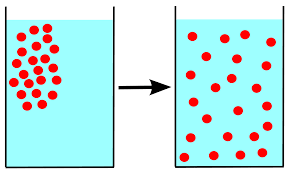
The picture below is an example of _________________.
osmosis
engulfing
diffusion
active transport
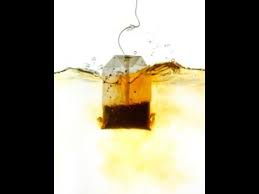
Why does the tea move out of the tea bag and into the water?
The warm water forces it out of the tea bag
There is equal concentration of water and tea
There is a higher concentration of tea in the bag and less in the water
There is a lower concentration of tea in the bag and more in the water

What is the difference between active and passive transport?
Active does not need energy and passive uses energy
Active uses energy and passive does not need energy
Active stores transport proteins and passive releases them
Active uses hormones and passive does not
Any substance that cannot be broken down into simpler substances.
element
atom
compound
molecule
What is an organic compound?
Compounds that contain carbon and hydrogen.
Compounds that do not contain carbon.
Energy-rich organic compound made of carbon, hydrogen, and oxygen.
Large organic molecules made of carbon, hydrogen, oxygen, nitrogen, and in some cases sulfur.
What is an inorganic compound?
Most compounds that contain carbon.
Compounds that do not contain carbon and hydrogen.
Energy-rich organic compound made of carbon, hydrogen, and oxygen.
Large organic molecules made of carbon, hydrogen, oxygen, nitrogen, and in some cases sulfur.
Smaller molecules that make up proteins.
amino acids
enzymes
lipids
DNA
RNA
Type of protein that speeds up a chemical reaction in a living organism.
amino acids
enzymes
lipids
DNA
RNA
One kind of nucleic acid that is passed from parent to offspring which directs all of the cell's functions.
amino acids
enzymes
nucleic acids
DNA
RNA
One kind of nucleic acid that plays an important role in the production of proteins.
amino acids
enzymes
nucleic acids
DNA
RNA
Why is water so important to cells?
Water gives cells size and shape
Without water, most chemical reactions within cells could not take place.
Water can help cells regulate temperature
All of the above
What does the word lipid mean?
Fats, oils, and waxes
sugars and starches
enzymes and amino acids

This structure is where the DNA is located
1
3
5
10

This organelle packages and sorts proteins once they are created
2
4
6
8

Selectively permeable organelle that regulates what can enter and exit the cell
3
4
5
6

Provides energy to cells by breaking chemical bonds in food
5
7
9
11
Which organelle is correctly paired with its function?
vacuole- production of DNA
mitochondria- provide protective barrier to cells
ribosome- creation of proteins
chloroplast- transport of materials

Why did stain our cheek cells to see them under the microscope?
the cells' chloroplasts were too numerous
to see the cell wall
to improve the resolution
to make the cells look bigger
If Jerry is using a microscope with an eyepiece magnification of 20 X and a low power lens of 10 X calculate the total magnification.
100 X
10 X
30 X
200 X
A unicellular organism can move, eat, and transport materials because it has ______________ to perform its life functions.
organs
cells
organelles
organ systems
Sugars and starches are examples of lipids.
True
False

Which organelle is responsible for turning water, cabon dioxide, and sunlight into sugar?
3
5
7
9

Which organelle is number 8?
Cell wall
Mitochondria
Nucleus
Endoplasmic Reticulum

Which organelle holds extra water for the cell?
2
4
6
8
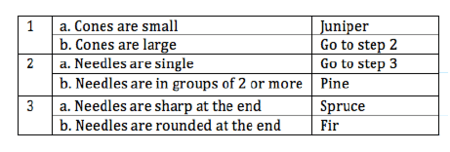

The process of grouping things based on their similarities is
classification
binomial nomeclature
genus
taxonomy

Which is the most specific level of classification?
species
genus
domain
kingdom
How does binomial nomenclature work?
It combines the kingdom and phylum to make a scientific name
It combines the genus and species to make a new creature
It combines the order and class to make a new creature
It combines the genus and species to make a scientific name

