
 Worksheets
Chapter 2 Review - Origins of American Government
Total questions: 62
Worksheet time: 2hrs 59mins
The idea that government is RESTRICTED in what it can do is
Restricted Government
Limited Government
Representative Government
Democratic Government
The Magna Carta of 1215 is important for establishing which of the following?
the Virginia Company
the principle of limited government
the scientific discoveries of the Enlightenment
an agreement for governing the colony of Plymouth
This 1628 document prevented the monarch from collecting taxes without Parliament's consent
Magna Carta
The Petition of Right
English Bill of Rights
Declaration of Independence
Which document from 1688 influenced the ideas about the rights of the citizens?
Magna Carta
Mayflower Compact
English Bill of Rights
Declaration of Independence
Each of the thirteen American colonies had
its own government.
complete control over its affairs.
its own powerful army.
equal voting rights for all colonists
three branches of government that were formed so that no one part of the government became too powerful
limited government
natural rights
separation of powers
social contract
the idea that power of the government can no longer be all-powerful rights and that the government cannot take away such as life, liberty and the pursuit of happiness
limited government
natural rights
separation of powers
social contract
a system in which the people choose their leaders to govern themselves - this is the type of gov't of the U.S.
democracy
direct democracy
representative democracy
1775 - 1781 The war of the American colonists against Britain to gain its freedom
Enlightenment
Magna Carta
American Revolution
separation of powers
A government is
the institution through which a society makes and enforces its public policies.
a collection of people.
always democratic.
the organization representing farms and industries.


Shays's Rebellion was made up of which group of people?


Which of the following was responsible for planning and funding the war effort of the American colonies, declaring independence, and was essentially the first government of the United States?
Albany Plan of Union
First Continental Congress
Second Continental Congress
Stamp Act Congress

What was the main argument against the Constitution by Anti-Federalists?
It lacked a Bill of Rights.
It granted too much power to the president.
The electoral college was too confusing and would cause problems during presidential elections.
It gave the government too much power to tax.
What document did the colonists write to share their concerns with England and to break away?
Mayflower Compact
Bill of Rights
Magna Carta
Declaration of Independence
life, liberty, and the pursuit of happiness
Separation of powers
alien's rights
Checks and balances
unalienable rights
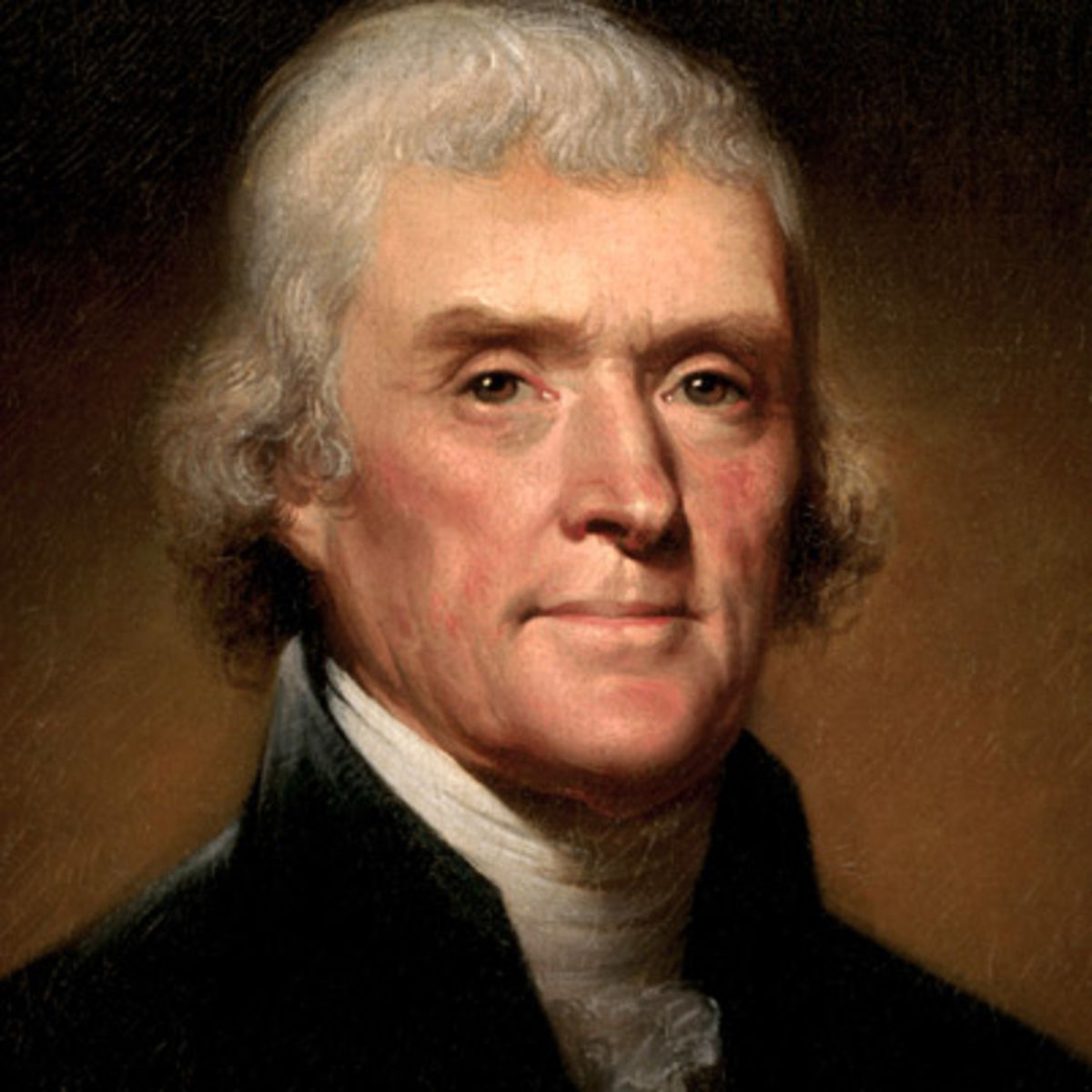

What did the Mayflower Compact establish?
individual rights
direct democracy
economic freedom
separation of powers
How did the Mayflower Compact influence the colonists' view of government in 1620?
The colonists declared their independence from English rule.
The colonists declared their alliance with Parliament against the king.
The king agreed not to collect new taxes without the approval of Parliament.
The early colonists to America agreed to form their own community and to obey their own laws.
According to John Locke, an agreement in which people agree to give up some of their freedom in exchange for the government's protection of the people's rights is known as?
limited government
a social contract
separation of powers
Common Sense
How was Locke’s social contract theory related to his belief in natural law?
He argued that whatever the king did was good according to natural law.
He argued that natural law required the colonists to be given their independence.
He argued people had the right to rebel against a ruler who acted against natural law.
He thought people had the right to overthrow a king who did not protect their rights.
Which Enlightenment thinker's beliefs influenced Thomas Jefferson to include the natural rights of "life, liberty and the pursuit of happiness" into the preamble of the Declaration of Independence?
John Locke
Baron de Montesquieu
George Washington
King George III
What impact did John Locke's natural rights have on the Founding Fathers?
They chose to remain loyal to the King of England.
They decided to rebel against the British government.
They decided to create a system of checks and balances.
They decided to separate the powers of government among three branches.
Which Enlightenment thinker introduced the idea of separation of powers for effective government?
John Locke
Thomas Paine
Thomas Jefferson
Baron de Montesquieu
What most attracted the Founding Fathers to Montesquieu’s explanation of the separation of powers?
Their separation could protect the rights of the nobility from the actions of the king.
Their separation could preserve the privileges of the monarch and nobles from popular attack.
Their separation raised judicial power to a level of equality with legislative and executive power
Their separation could help prevent the government from becoming tyrannical and oppressive.
What impact did the writings of Baron de Montesquieu have on the Founding Fathers of the American political system?
They kept a monarchical system of government.
They created a representative system of government.
They guaranteed each citizen the right to a trial by jury.
They separated the powers of government into three branches.
What did the colonists of the 1770's believe about taxes and Parliament in England?
Colonists believed the will of Parliament to tax was supreme.
Colonists believed they were so heavily taxed that no new taxes could be justified.
Colonists believed Parliament could not impose new taxes on them without their approval.
Colonists believed every person was entitled to be taxed so that they could have life, liberty and property based on natural law.
Who wrote the pamphlet "Common Sense"?
John Locke
Baron de Montesquieu
Thomas Paine
Thomas Jefferson
What was the message that the pamphlet "Common Sense" gave to the American Colonists?
They should put up with the mistreatment of King George III.
They should break away from England.
They should send representatives to England to speak on their behalf.
They should ask that their taxes be raised.
What impact did Thomas Paine's pamphlet, Common Sense, have on the colonists?
It reconciled them with King George III of England.
It established the framework for their later system of government.
It persuaded the American colonists to declare their independence from Great Britain.
It divided Northern and Southern colonists by calling for an end to slavery.
Which document did the Founding Fathers write in 1776 to declare the reasons that America was separating from England?
Magna Carta
Mayflower Compact
English Bill of Rights
Declaration of Independence
What is the term used that the government can no longer be all-powerful?
limited government
social contract
natural rights
Common Sense
n the United States, what occurs when state and national laws are in conflict?
First legislature in the colonies
Mayflower Compact
Virginia House of Burgesses
Magna Carta
Fundamental Orders of Connecticut
America's first formal, written constitution
Mayflower Compact
Virginia House of Burgesses
Magna Carta
Fundamental Orders of Connecticut
A colonial plan for self-rule signed by the Pilgrims in 1620
Mayflower Compact
Virginia House of Burgesses
Magna Carta
Fundamental Orders of Connecticut
Established a limited government
Mayflower Compact
Virginia House of Burgesses
Magna Carta
Fundamental Orders of Connecticut
This 1628 document prevented the monarch from collecting taxes without Parliament's consent
Magna Carta
The Petition of Right
English Bill of Rights
Declaration of Independence
This English thinker's ideas in Two Treatises of Government served as a textbook for the American Revolution.
Benjamin Franklin
Thomas Jefferson
John Locke
John Hancock
Where did George Washington take the Oath of Office as the first President of the United States?
Philadelphia, Pennsylvania
Washington, D.C.
New York City
Mount Vernon, Virginia
The Federalist Papers were successful primarily because they

