
 Worksheets
11.10.2021 science year 2 natural water cycle
Total questions: 84
Worksheet time: 1hrs 7mins

Look the picture given. 1 is representing __________.
Water
Cloud
Water vapour
Rain
Look the picture given. 2 is representing __________.
Water
Cloud
Water vapour
Rain
Look the picture given. 3 is representing __________.
Water
Cloud
Water vapour
Rain
Look the picture given. 4 is representing __________.
River
Cloud
Water vapour
Rain
Sea water evaporates into _________ and rise up.
Rivers
Clouds
Water vapour
Rain
Clouds become heavy and fall as ________.
Rivers
Clouds
Water vapour
Rain
Rain water flows back into ___________ and seas.
Rivers
Clouds
Water vapour
Rain

The diagram above shows a natural process. What is the process?
Water flow sequence
Natural water source
Natural water cycle
Water droplets form the _________ in the sky.
Rivers
Clouds
Water vapour
Rain
Natural water cycle is a continuous cycle that supplies water to living things and to cool down the Earth.
True
False
Look the picture given. 1 is representing __________.
Water
Cloud
Water vapour
Rain
Look the picture given. 2 is representing __________.
Water
Cloud
Water vapour
Rain
Look the picture given. 3 is representing __________.
Water
Cloud
Water vapour
Rain
Look the picture given. 4 is representing __________.
River
Cloud
Water vapour
Rain
Look the picture given. 5 is representing __________.
River
Cloud
Water vapour
Rain
Sea water evaporates into _________ and rise up.
Rivers
Clouds
Water vapour
Rain
Water droplets form the __________.
Rivers
Clouds
Water vapour
Rain
Clouds become heavy and fall as ________.
Rivers
Clouds
Water vapour
Rain
Rain water flows back into ___________ and seas.
Rivers
Clouds
Water vapour
Rain

Look at the picture that shows the natural direction of water flow. 1 is representing ____________.
sea
lowland
highland
waterfall
Look at the picture that shows the natural direction of water flow. 2 is representing ____________.
sea
lowland
highland
waterfall
Look at the picture that shows the natural direction of water flow. 3 is representing ____________.
sea
lowland
highland
waterfall
Look at the picture that shows the natural direction of water flow. 4 is representing ____________.
sea
lowland
highland
waterfall


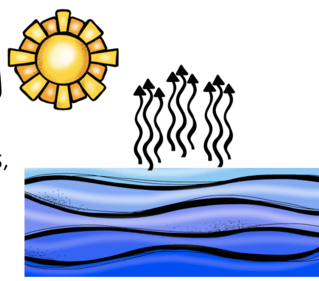

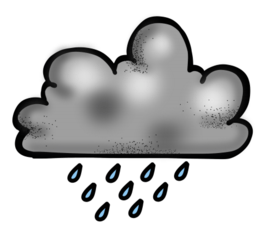

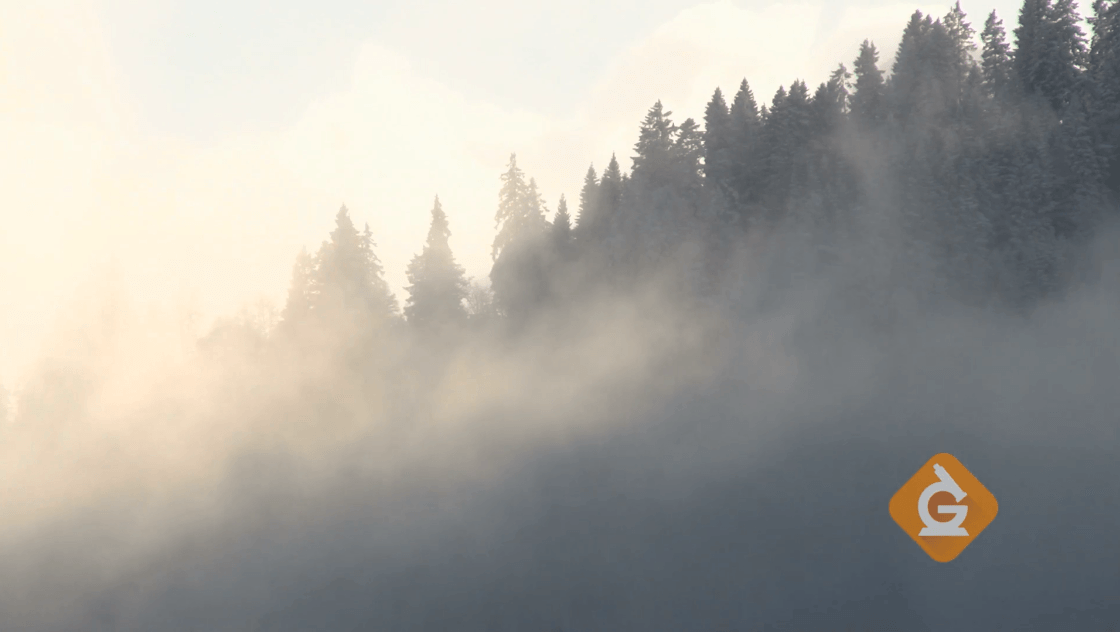
What are clouds made of?
dry air
water
On Earth, what process generates most of the water vapor?
Condensation
Evaporation
Precipitation
Transpiration
Water in its gas form is called ____________________,
water vapor
precipitation
ice
air

Look the picture given. 1 is representing __________.
Water
Cloud
Water vapour
Rain
Look the picture given. 2 is representing __________.
Water
Cloud
Water vapour
Rain
Look the picture given. 3 is representing __________.
Water
Cloud
Water vapour
Rain
Look the picture given. 4 is representing __________.
River
Cloud
Water vapour
Rain
Sea water evaporates into _________ and rise up.
Rivers
Clouds
Water vapour
Rain
Clouds become heavy and fall as ________.
Rivers
Clouds
Water vapour
Rain

The diagram above shows a natural source of water. What is the natural source of water?
River
Lake
Spring

The diagram above shows a natural source of water. What is the natural source of water?
River
Lake
Spring
Which of the following is NOT the natural source of water?


What is the natural flow of water?
The water flows from lower areas to higher areas.
The water flows from higher areas to lower areas.
The water flows in the same position.
The diagram above shows a natural process. What is the process?
Water flow sequence
Natural water source
Natural water cycle
What will happen when the water flow disrupted?


Based on the diagram above, what is number 4 ?
Rain
Water vapour
Clouds
Based on the diagram above, what is number 3 ?
Rain
Water vapour
Clouds
Based on the diagram above, what is number 2 ?
Rain
Water vapour
Clouds
Which of the following diagram shows the roles of human in maintaining the clean sources and flow of water?


Look the picture given. 1 is representing __________.
Water
Cloud
Water vapour
Rain
Look the picture given. 2 is representing __________.
Water
Cloud
Water vapour
Rain
Look the picture given. 3 is representing __________.
Water
Cloud
Water vapour
Rain
Look the picture given. 4 is representing __________.
River
Cloud
Water vapour
Rain
Sea water evaporates into _________ and rise up.
Rivers
Clouds
Water vapour
Rain
Water droplets form the _________ in the sky.
Rivers
Clouds
Water vapour
Rain
Clouds become heavy and fall as ________.
Rivers
Clouds
Water vapour
Rain
Rain water flows back into ___________ and seas.
Rivers
Clouds
Water vapour
Rain
The diagram above shows a natural process. What is the process?
Water flow sequence
Natural water source
Natural water cycle
Natural water cycle is a continuous cycle that supplies water to living things and to cool down the Earth.
True
False

Choose the correct natural source of water according to the picture.
lake
rain
river
spring

Choose the correct natural source of water according to the picture.
lake
rain
river
spring

Choose the correct natural source of water according to the picture.
lake
rain
river
spring

Choose the correct natural source of water according to the picture.
lake
rain
sea
spring

Choose the correct natural source of water according to the picture.
lake
rain
sea
spring
Choose correct answer for the statement given.
A large part of the earth's surface that is covered with salt water.
sea
rain
spring
lake
Which of the following is NOT the natural source of water?
What is the natural flow of water?
The water flows from lower areas to higher areas.
The water flows from higher areas to lower areas.
The water flows in the same position.
What will happen when the water flow disrupted?

The picture shows that water flow from high place to low place
True
False

Natural sources of water can be made by human.
True
False
Which of the following diagram shows the roles of human in maintaining the clean sources and flow of water?

