
 Worksheets
(S347) Chemistry of Life (2.1-2.8)
Total questions: 40
Worksheet time: 30mins

The number 16 for the atomic element sulfur is the
ionic number
isotope
atomic mass
atomic number

How many protons does sulfur have?
32
16
48
12

How many electrons does sulfur have
16
32
48
12


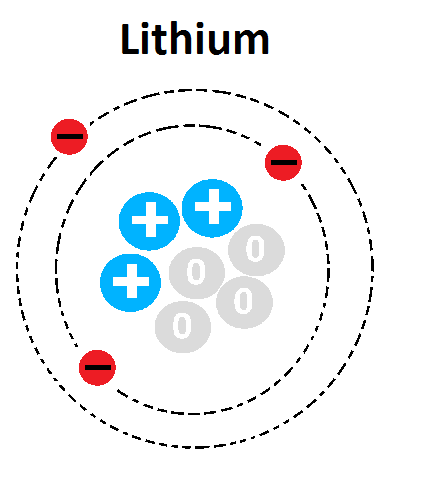
What is the atomic number of this atom?
1
3
4
7
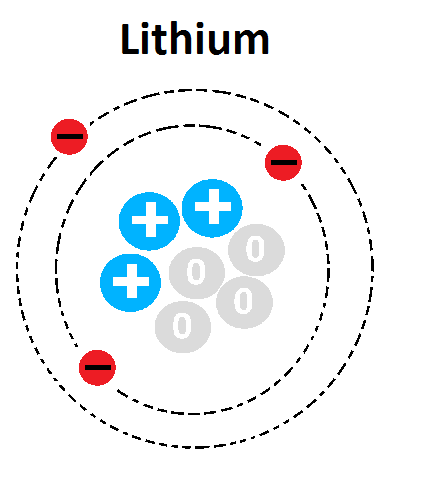
What is the mass number of this atom?
1
3
4
7
An atom has 10 protons, 15 neutrons and 10 electrons what is its mass number.
20
10
35
25
Which of the following determines the identity of an element?
number of protons
atomic mass
number of neutrons
number of shells


When an atom loses an electron, it becomes a:
positive ion
negative ion
neutral ion
neutral atom

When an atom gains an electron, it becomes a:
positive ion
negative ion
neutral ion
neutral atom
Ionic bonds form between a
two metals
nonmetal and nonmetal
metal and nonmetal
two metalloids
Covalent bonds form between a
nonmetal and nonmetal
metal and nonmetal
two metals
two metalloids
According the "Octet rule", how many valence electrons does an atom need to have a stable electron configuration?
1
5
8
10
H and He are exceptions to the Octet Rule. How many electrons can they have in their outer shell?
1
2
8
10

How does Lithium become an ion?
Lose 1 electron
Gain 7 electrons
Lose 3 electrons
Gain 1 electron

How does Fluorine become an ion?
Gain 1 electron
Lose 1 electron
Lose 7 electrons
Lose 2 electrons

How many covalent bonds does each carbon have in the molecule shown?
4
2
8
6
How many covalent bonds can a hydrogen atom typically form?
1
2
4
3
Which of the following elements can form up to two covalent bonds?
Oxygen
Nitrogen
Sulfur
Hydrogen
What is the maximum number of covalent bonds a nitrogen atom can form in a stable molecule?
4
3
2
1

Given the line drawing of a glucose molecule, how many carbon atoms are present?
6
5
12
4

How many hydrogen atoms are found in a glucose molecule as shown in its line drawing?
24
6
12
18

