Wayground logo

Free Printable Worksheets

Font size

S
M
L
XL
Worksheets

Quarter 1 Review

Total questions: 50

Worksheet time: 50mins

Name
Class
Date
1.
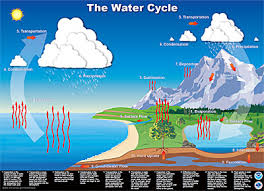
What is it called when plants give off water vapor as a waste product?
a)
condensation
b)
evaporation
c)
sublimation
d)
transpiration
2.

Water in its gas form is called ____________________,

a)

water vapor

b)

precipitation

c)

ice

d)

air

3.

What is the energy source that drives the water cycle?

a)

The moon T

b)

The heat from our home in the winter all around the world

c)

The sun

d)

he heat generated solely from the core of the earth

4.

Which example is a form of precipitation?

a)

Dew

b)

Fog

c)

Frost

d)

Hail

5.

How do transpiration and evaporation compare?

a)

During both processes, liquid water changes to water vapor.

b)

During both processes, water vapor changes to liquid water.

c)

During transpiration, liquid water changes to water vapor, and during evaporation, water vapor changes to liquid water.

d)

During transpiration, water vapor changes to liquid water, and during evaporation, liquid water changes to water vapor.

6.

Which represents the correct sequence of the water cycle?

a)

Precipitation --> condensation--> run-off--> evaporation--> precipitation

b)

Evaporation --> run-off--> precipitation--> condensation--> evaporation

c)

Condensation--> evaporation--> precipitation-->run-off--> condensation

d)

Evaportion--> condensation--> precipitation--> run-off--> evaporation

7.

What has to happen to water vapor before rain can develop?

a)

water vapor must freeze

b)

water vapor must runoff

c)

water vapor must condense

d)

water vapor must evaporate

8.

Danny works at a animal shelter. He left a top off an fish tank for several days. When he realized his mistake the

water level in the fish tank had dropped about 2 inches.

What is the best explanation of what happed to the water?

a)

It precipitated out.

b)

It evaporated

c)

The fish drank it

d)

The aquarium had a leak

9.

By which process are clouds, dew, and fog formed?

a)

condensation

b)

evaporation

c)

radiation

d)

precipitation

10.
Which stages does liquid water from the ocean turn into water vapor?
a)
condesantion
b)
evaporation
c)
precipitation
d)
run off
11.
The ______________is the beginning source of energy for the water cycle.
a)
sun
b)
wind
c)
geothermal
d)
volcano
12.
Water begins to evaporate when you add _______ to it.
a)
cold
b)
ice
c)
water cycle
d)
heat
13.
What is the process during which water changes from a liquid to a gas as it heats up?
a)
Condensation
b)
Runoff
c)
Precipitation
d)
Evaporation
14.
What step of the water cycle occurs when clouds become too heavy? 
a)
Condensation
b)
Runoff
c)
Precipitation
d)
Evaporation
15.
What is the process during which water cools and turns from a gas to a liquid?
a)
Condensation
b)
Runoff
c)
Precipitation
d)
Evaporation
16.
What is NOT an example or precipitation?
a)
Rain
b)
Snow
c)
Sleet
d)
Wind
17.

What is it called when water droplets form on the outside of a cool glass?

a)

Condensation

b)

Transpiration

c)

Precipitation

d)

Evaporation

18.

A sheet of paper was weighed and then cut into 10 pieces. How much should the 10 pieces of paper weigh compared to the whole sheet of paper?

a)

The weight should be the same.

b)

The weight should be less

c)

The weight should be greater.

d)

The weight should be half the original weight.
19.
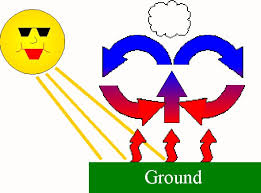
What is the transfer of heat by movement of liquids or gases?
a)
Radiation
b)
Convection
c)
Conduction
d)
Heat
20.
What is a transfer of heat energy by electromagnetic waves?
a)
Radiation
b)
Convection
c)
Conduction
d)
Heat
21.
What is the transfer of heat by direct contact?
a)
Convection
b)
Electromagnetic waves
c)
Radiation
d)
Conduction
22.
What is a substance that does NOT conduct heat well?
a)
Conductor
b)
Insulator
c)
Convector
d)
Radiator
23.
What is a substance that DOES conduct heat well?
a)
Conductor
b)
Insulator
c)
Convector
d)
Radiator
24.
When you use a microwave, what is the main way that heat is transferred?
a)
Convection
b)
Conduction
c)
Radiation
d)
insulation.
25.
The handle of a metal spoon warms up when it is placed in a hot bowl of soup because of
a)
Convection
b)
Conduction
c)
Radiation
d)
insulation.
26.
Which of the following is the best example of conduction?
a)
A light bulb warming a lampshade
b)
An egg cooking in a frying pan
c)
Water boiling in a pot
d)
Gases circulating in the atmosphere
27.
What kind of heat transfer happens when the sun is heating your body?
a)
Conduction
b)
Radiation
c)
Convection
d)
Density
28.
Warm air rises and the cool air sinks demonstrates this type of heat transfer. 
a)
conduction
b)
convection
c)
radiation
d)
Insolation 
29.
A chair is several feet from a fireplace. The side of the chair facing the fireplace gets warm due to
a)
conduction
b)
convection
c)
radiation
30.
If you put a metal spoon and a wooden spoon into a pot of boiling water, one will become too hot to touch.  Why?
a)
Metals conduct heat better than wood.
b)
Wood conducts heat better than metals.
c)
Metals pull in heat because heat is attracted to metals.
d)
Wood isn't as strong as metals.
31.
In heat transfer, heat always flows from the _______________ substance to the _______________ substance.
a)
Hotter to colder
b)
Colder to hotter
c)
Hotter to hotter
d)
Colder to colder
32.
Hot coffee is stirred with a spoon; the spoon gets hot due to
a)
conduction
b)
convection
c)
radiation
33.

Microwaving Food

a)

Conduction

b)

Convection

c)

Radiation

34.
Near the ceiling of a room the air is warmer; the warm air rises because of
a)
conduction
b)
convection
c)
radiation
35.

Hot water rises and cold water sinks. Is this:

a)

Convection

b)

Conduction

c)

Radiation

36.

A physical change...

a)

changes the physical properties of an object, but does not create a new substance.

b)

creates a new substance and cannot be undone.
37.

A chemical change

a)

changes the physical properties of an object, but does not create a new substance.

b)

creates a new substance and cannot be undone.

38.
Any change in the state of matter of a substance is a...
a)
Physical Change
b)
Chemical Change
39.
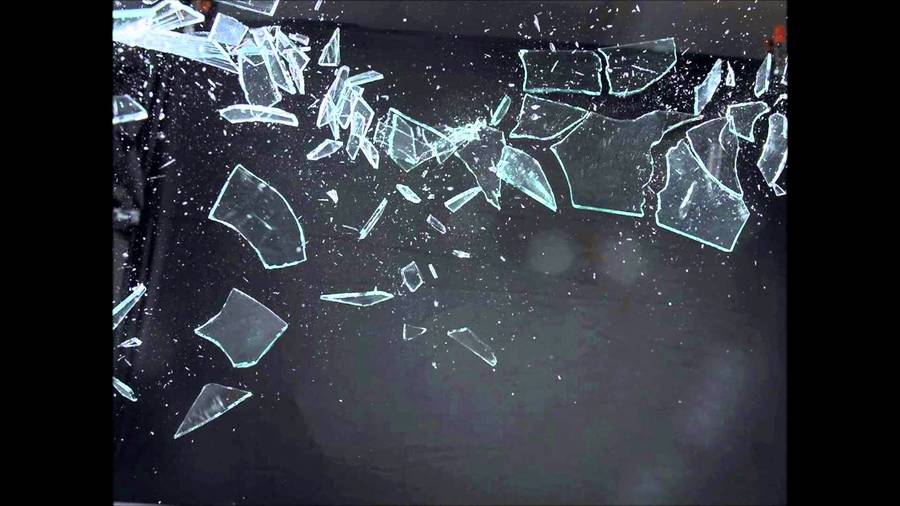
Chemical or Physical?  Glass breaking into tiny shards
a)
Chemical Change
b)
Physical Change
40.
Physical or Chemical Change?  Iron rusts
a)
Physical Change
b)
Chemical Change
41.
Physical or Chemical Change?  Cutting an orange into wedges.
a)
Physical Change
b)
Chemical Change
42.
melting ice cream
a)
physical change
b)
chemical change
43.
a)
physical change
b)
chemical change
44.
Which of the following changes is NOT a physical change?
a)
getting a haircut
b)
sharpening a pencil
c)
spoiled milk
d)
cracking an egg into a bowl
45.
Your teacher gives you a tray full of building blocks. If you weigh the tray of blocks before you start building a house and after you are done building a house, will the blocks weigh the same or different? Why?
a)
They will weigh the same. This is a physical change.
b)
They will weigh the same. This is a chemical change.
c)
They will weigh less. This is a physical change.
d)
They will weigh more. This is a physical change.
46.
Mixing the ingredients to make trail mix is an example of which type of change?
a)
Physical Change
b)
Chemical Change
47.

Is this a physical or chemical change?

a)

Physical

b)

Chemical

48.
Is burning wood a chemical or physical change?
a)
chemical
b)
physical
49.

If 10 grams of water are added to 5 grams of salt, how much salt water will be made?

a)

2 grams

b)

5 grams

c)

10 grams

d)

15 grams

50.

500 gram block of chocolate is melted in a pot. What is the mass of the chocolate after it has melted?

a)

500 grams, because the chocolate does not gain or lose mass when melted

b)

499 grams, because some of the chocolate evaporates as it melts

c)

502 grams, because some of the chocolate absorbs heat increasing its weight

d)

510 grams, because the chocolate goes through a chemical change increasing it weight