
Font size
 Worksheets
Photosynthesis
Total questions: 60
Worksheet time: 15hrs 0mins
2. What gas goes into the plant during photosynthesis?
Oxygen
Nitrogen
Carbon dioxide
Hydrogen
3. What does a plant release into the air after photosynthesis?
Carbon dioxide
Sugar
Oxygen
Energy
4. Most plant appear green because of _________________ .
oxygen
chlorophyll
carbon dioxide
water
6. Where do plants get the energy for photosynthesis to take place?
Nutrients in the soil
The Sun
Pollination
Chlorophyll
7. TRUE or FALSE: Plants make their own food and use the energy from the food that is made.
True
False
8. Which of the following is NOT needed for plants to survive?
Sunlight
Pestisides
Carbon dioxide
Water
9. What are the 3 main ingredients needed for photosynthesis
glucose, oxygen, carbon dioxide
carbon dioxide, water, glucose
water, soil, sunlight
sunlight, water, carbon dioxide
10. Which of the following statement is true regarding photosynthesis
creates oxygen for animals to breath
creates energy for plants to use
creates food for plants to use
all of these are correct
Which plant structure transforms light into glucose?
Chromoplasts
Leukoplasts
Chloroplasts
Neuroplasts

Which structure in the figure above represents a single thylakoid?
Structure A
Structure B
Structure C
Structure D
If carbon dioxide is completely removed from a plant's environment, what would you expect to happen to the plant's production of high-energy sugars?
More sugars will be produced.
The same number of sugars will be produced but without carbon dioxide.
No sugars will be produced.
Fewer sugars will be produced at first, but then the plant will recover.
Which chemical is an electron carrier molecule?
NADP+
H2O
carbon dioxide
oxygen
What two energy molecules are made by the light reaction? Select both answers.
NADPH
glucose
ATP
oxygen gas
Which molecule supplies chlorophyll with electrons
sun
water
oxygen gas
NADPH

What are the 2 products shown this diagram? (select 2 correct)
production of carbon dioxide
production of oxygen gas
production of sugar
production of water
What is the name of a stack of thylakoids?
stroma
chromoplast
granum
choloroplast
Chloroplasts and mitochondria are the same in that they both...
are green in color.
are found in plant and animal cells.
have a liquid stroma.
produce energy.
The light reactions (those that need light to operate) are located in the...
Chloroplast double membrane.
Stroma
Stomata
Thylakoid membranes
Which of the following is NOT a product of the light reactions?
Oxygen
NADPH
ATP
Glucose (Sugar)

Photosynthesis is used to produce food for plants in the form of glucose. In the process, oxygen is released. As shown in the diagram, plants require water and carbon dioxide (from the air). What else is required for photosynthesis and what role does it play?
Light is required to provide energy for photosynthesis.
ATP is required as an energy source for photosynthesis.
Glucose is required as an energy source for photosynthesis
Oxygen is required to split water molecules in photosynthesis.
What two things are the product (end result) of photosynthesis?
Oxygen
Glucose
Chloroplasts
Carbon Dioxide
TRUE or FALSE: Animals can make their own food inside themselves.
True
False
What is the waste product of photosynthesis?
Oxygen
Carbon Dioxide
Glucose
Chlorophyll

This is the chemical formula for a molecule of...
Oxygen
Carbon dioxide
Glucose
Water

How many molecules of carbon dioxide are in the photosynthesis equation?
1 molecule
2 molecules
6 molecules
12 molecules

How many molecules of water are in the photosynthesis equation?
1 molecule
2 molecules
6 molecules
12 molecules

What side of the photosynthesis equation are the products of photosynthesis?
right side
left side
over the arrow

What side of the photosynthesis equation are the raw materials of photosynthesis?
right side
left side
over the arrow

How many molecules of glucose are in the photosynthesis equation?
1 molecule
2 molecules
6 molecules
12 molecules

How many molecules of oxygen are in the photosynthesis equation?
1 molecule
2 molecules
6 molecules
12 molecules
Glucose is a type of sugar. It is the "food" that is made during photosynthesis.
True
False

Which product of photosynthesis is released into the air?
carbon dioxide
oxygen
water vapor
glucose

What is CO2?
carbon dioxide
oxygen
glucose
water

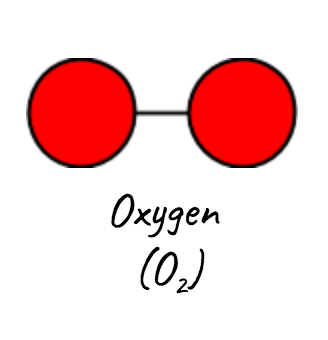
What is O2?
carbon dioxide
oxygen
glucose
water

What is H2O?
carbon dioxide
oxygen
glucose
water

What is C6H12O6?
carbon dioxide
oxygen
glucose
water

Which product is "waste" and mostly released by the producer (plant)?
oxygen
carbon dioxide
sugar
glucose
6CO2 + 6H2O ® C6H12O6 + 6O2
This chemical equation describes:
Cellular respiration
Glycolysis
Photosynthesis
Photolysis
Electron Transport Chain
Where does dark reaction or light independent specifically occur?
thylakoid membrane
Stroma of the chloroplast
Grana
nuclear membrane
Where does light dependent specifically occur?
thylakoid membrane of the grana
Stroma of the chloroplast
mitochondria
nuclear membrane
What is/are the products of light independent reaction?
ATP
NADPH
H2O
C6H12O6
pyruvate
What is NOT the product of light dependent reaction?
ATP
NADPH
H2O
O2
Which of the following statements does not describe Light independent reaction?
aka Calvin cycle
Produce ATP and NADPH
Produce glucose
Occur in the stroma of the chloroplast
Use ATP and NADPH for the reaction

