
 Worksheets
Nutrition
Total questions: 75
Worksheet time: 44mins
Chemical substances that give your body what it needs to grow and function properly
fats
carbohydrates
minerals
nutrients
Major source of energy for the body found in fruits, vegetables, grains, and milk products
fats
carbohydrates
proteins
dietary fiber
Tough complex carbohydrate that the body is unable to digest
dietary fiber
saturated fats
trans fats
protein
Nutrient the body uses to build and maintain all of its cells and tissues
vitamins
protein
carbohydrates
minerals
Type of nutrient largely made up of fatty acids, which provide a valuable source of energy
carbohydrates
unsaturated fats
saturated fats
fats
Type of fat found mainly in animal-based foods, such as meat and dairy products
saturated fats
unsaturated fats
fat
trans fats
Type of fat found in plant-based foods, such as vegetable oils, some peanut butters and margarines, olives, salad dressing, nuts, and seeds
unsaturated fats
saturated fats
trans fats
fats
Type of fat found in foods from animals, such as cows and goats used to be found in many processed foods, such as packaged cookies and chips
fats
unsaturated fats
saturated fats
trans fats
Organic substances that come from plants or animals that are necessary for normal growth and development
fat
protein
vitamins
minerals
Inorganic elements found in soil and water that the body needs in small quantities
vitamins
minerals
dietary fiber
carbohydrates
How much water should people consume in a day to keep the body hydrated?
1 glass
20 cups
8 1/2 - 11 1/2 cups
2 cups
United States government system that helps people put the Dietary Guidelines into practice
The Food Pyramid
School Lunch
MyPlate Food Guidance System
There is no government system
Foods that are rich in needed nutrients and have little or no solid fats, added sugars, refined starches, and sodium
fruits
vegetables
high-nutrient foods
nutrient-dense foods
Ratio of the various components—fat, bone, and muscle—that make up a person’s body
overweight
Body Mass Index
body composition
body-fat distribution
Tool used to determine whether a person’s weight is healthy for that person’s height BMI = weight (lbs.)/height (in.)2 × 703
underweight
body composition
Body Mass Index
body-fat distribution

What do you think is the BEST way to describe NUTRITION?
The foods that we eat.
The process of using food for growth & repair.
Staying healthy with food.
The good stuff in food that makes us healthy.
What is the PURPOSE of Water?
To maintain body temperature.
To help joints move.
To keep skin healthy.
To help flush out bodily waste.

What is the PURPOSE of MyPlate?
To learn how to set the table for a meal.
To act as a guide for healthy eating.
To mix up recipes for eating different meals.
To teach people how to eat a balanced meal.

Why do I need to eat vegetables anyway?
Because Vegetables have vitamins and minerals that the body needs.
Because vegetables are colorful.
Because vegetables help keep the Immune System strong.
So adults can use them against me.
How can I get HEALTHY CARBS in my diet?
Eat foods such as white rice, white bread, and sugary cereal.
Eat lots of green leafy vegetables.
Drink lots of milk and eat lots of yogurt.
Eat foods such as brown rice, whole grain bread and fruits.
How can I get HEALTHY FATS in my diet?
Eat meat with lots of fat on it.
Eat foods such as avocados, fish, and nuts.
Eat lots of fast food.
Eat lots of cheese and drink lots of milk.

What is the PURPOSE of the 5 Main Food Groups?
To teach us why we should eat our veggies.
To learn about the main nutrients in our food.
To organize food into different categories.
To teach us how to eat healthy.
What kinds of foods are in the PROTEIN category?
Meats, nuts, eggs, tofu
Apples, mangos, papayas, berries
Bread, cereal, rice, popcorn
Milk, cheese, yogurt, ice cream
What kinds of foods are in the DAIRY category?
Oranges, lemons, pineapples
Fish, chicken, almonds
Cheddar cheese, cottage cheese, milk
Bagel, muffin, bread
What kinds of foods are in the FRUITS category?
Celery, Lettuce, cabbage
Papayas, tomatoes, bananas
Yogurt, ice cream, cheese
Steak, turkey, shrimp
What kinds of foods are in the GRAINS category?
Rice, oatmeal, bread
Milk, yogurt, ice cream
Fish, macadamia nuts, pork
Carrots, kale, cabbage
What kinds of foods are in the VEGETABLES category?
Beef, crab, chicken
Cereal, quinoa, rice
Strawberries, pineapples, tomatoes
Broccoli, beans, asparagus
What is the PURPOSE of Minerals?
To support body functions and growth of bones & teeth.
To help build & repair tissues.
To help the body stay warm.
To boost the immune system and support growth.
What is the PURPOSE of Vitamins?
To provide cushion, protection, support & energy.
To help build & repair tissues.
To help the body stay warm.
To boost the immune system and support growth.
What is the PURPOSE of Fats?
To provide cushion, protection, support & energy.
To help build & repair tissues and provide energy.
To help the body fight germs and bacteria.
To help the body remove toxins.
What is the PURPOSE of Carbohydrates (Carbs)?
To keep the body at the right temperature.
To help build & repair tissues and provide energy.
To provide the body with energy.
To help build bones & organs.
What is the PURPOSE of Proteins?
To build strong bones.
To help build & repair tissues and provide energy.
To provide cushion.
To help with body functions like eyesight.
How many different names for sugar are there?
(a)
How many grams of sugar does the WHO (World Health Organization) say we should have each day?
(a)
What is one way you can avoid hidden added sugar?
What are the two types of carbohydrates?
simple and complex
complete and incomplete
water soluble and fat soluble
mechanical and chemical
What are the 3 types of fats?
simple, complex and fiber
trans, unsaturated and saturated
vitamin A, B and C
carbs, fats and protein
What are the two types of vitamins?
Vitamin A and Vitamin C
water soluble and fat soluble
simple and complex
What is the most important nutrient?
Carbohydrates
Water
Fats
Protein
Protein, carbohydrates and fats are called the ____nutrients.
micronutrients
macronutrients
good nutrients
What are the 6 main nutrients?
protein and carbs
fats and minerals
steak and eggs
potatoes and corn
vitamins and water
Organic substances needed by the body for function, growth and repair of the body.
fats
minerals
vitamins
When your body lacks enough water to function properly-
diet
essential nutrients
dehydration
thirsty
Main role of this nutrient is to build and repair body cells and tissues.
carbohydrates
fats
protein
vitamins
Nutrients used to supply the calories to the body-
fats
carbohydrates
protein
An indigestible complex carbohydrate-
Protein
Fiber
Water

The body's primary source of energy is?
Fats
Carbohydrates
Proteins
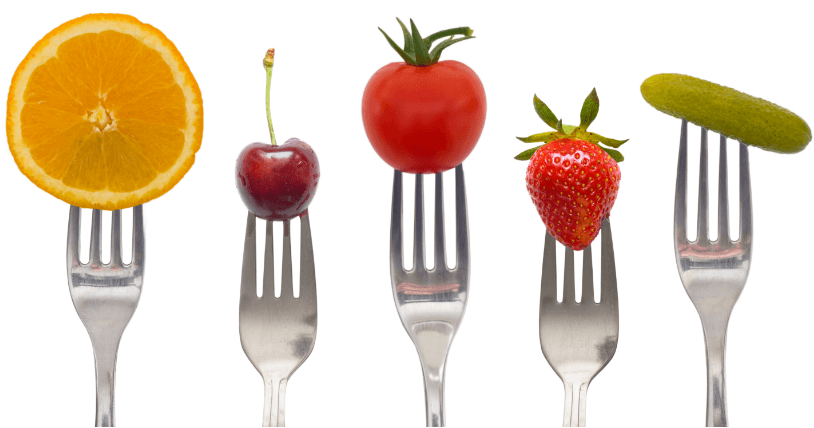
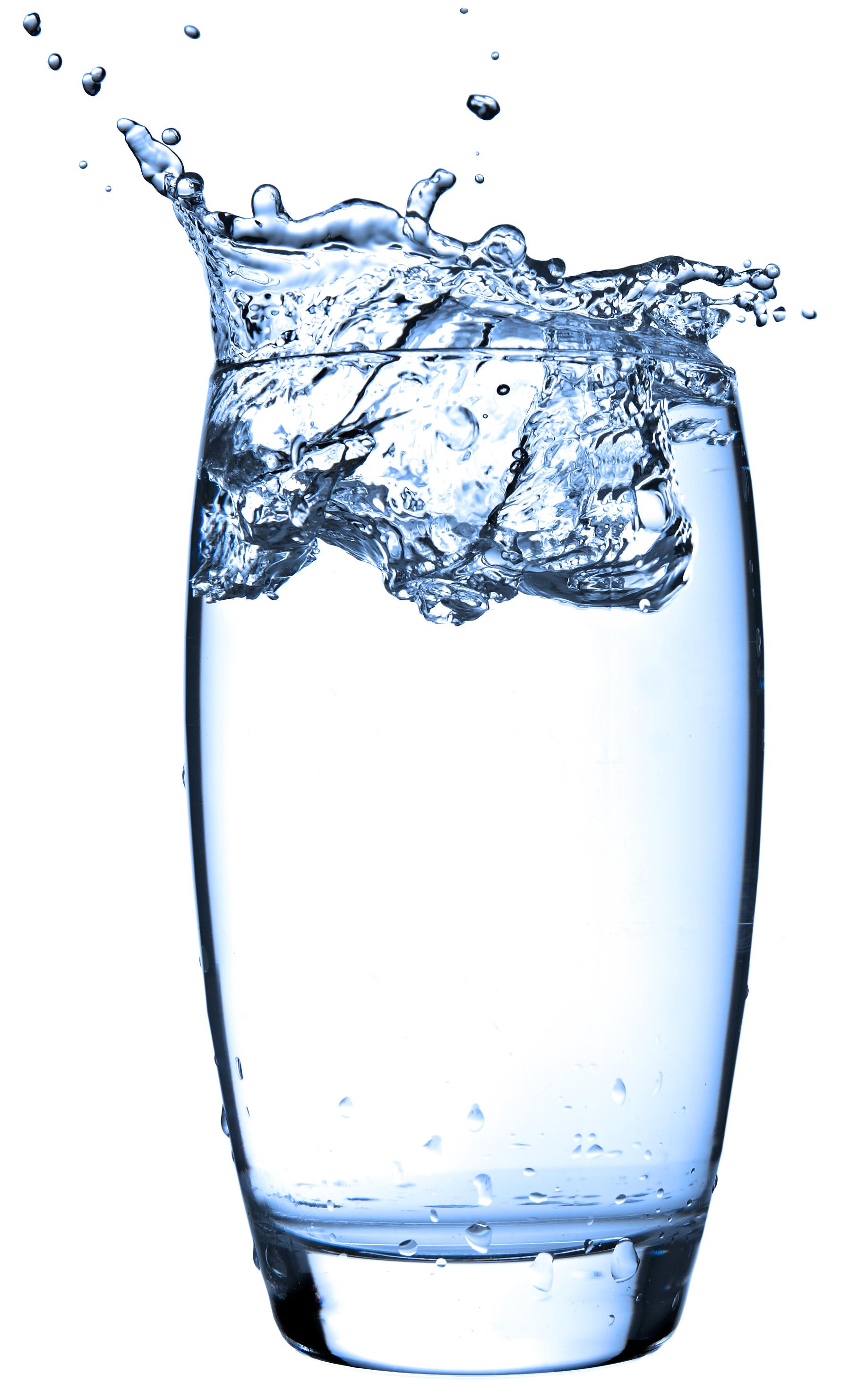

find only carbohydrates
starch
sugar
grains
olive oil
meat
proteins are needed for:
for energy
for growth
for repair
for smell
Which mineral is needed for strong bones and teeth?
Zinc
calcium
sodium
masnesium
Water can give energy. Is it true?
yes
no
sometimes
what is true about Water?
source of energy
Involved in all body processes
Makes up the basic part of blood
Helps with waste removal
Regulates body temperature
Which 3 nutrients give our body energy?
Fats
Carbohydrates
Vitamins and Minerals
Proteins
Water
Examples of micro-nutrients in food
(3 answers)
Calcium
Carbohydrates
Iron
Protein
Potassium
Which two food types are rich in iron?
Apples
Red meat
Chicken
Carrots
Which food group contains the sugar "lactose"?
Meat
Fruit and Vegetables
Dairy
Bread & Grains
Which food group contains the sugar "fructose"?
Breads and Grains
Meat and Poultry
Fruit and Vegetables
Dairy
What is the function of dietary fibre in the human body?
Provides energy
Fights infection and disease
Keeps the digestive system healthy
Promotes healthy hair and nails
Which type of fat is considered more healthy than the others?
Trans
Saturated
Unsaturated
Animal

