
 Worksheets
End of Year Review
Total questions: 69
Worksheet time: 1hrs 6mins
What is potential energy?
moving energy
stored energy
renewable energy
non renewable energy
What is NOT a renewable energy source?
coal
wind
solar
water
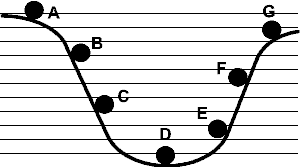
At which point does the ball has the greatest gravitational potential energy (GPE)?
A
G
D
C
G

What is the energy transformation that occurs in an electric pencil sharpener?
mechanical energy to electrical energy
electrical energy to mechanical energy
radiant energy to sound energy
chemical energy to mechanical energy
Organisms that can produce their own source of food are called...
heterotrophs
omnivores
autotrophs
herbivores
Organisms that are unable to make their own food are called...
autotrophs
heterotrophs
homeotrophs
heterovores


Birds eat insects off the skin of cows. If the relationship is a type of mutualism, then the organisms that will benefit are
only the cattle
neither the birds or the cattle
both the birds and the cattle
only the birds

Using the food web which of the following is a primary consumer?
butterfy
snake
fox
frog

Using the food web what would happen if the eagle became extinct?
The frog population would decrease.
The frog population would increase.
The butterfly population would increase.
The snake population would decrease.

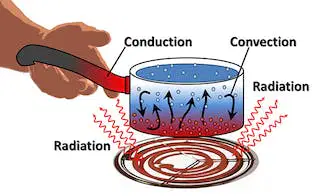
What is the transfer of heat by direct contact?
Convection
Electromagnetic waves
Radiation
Conduction
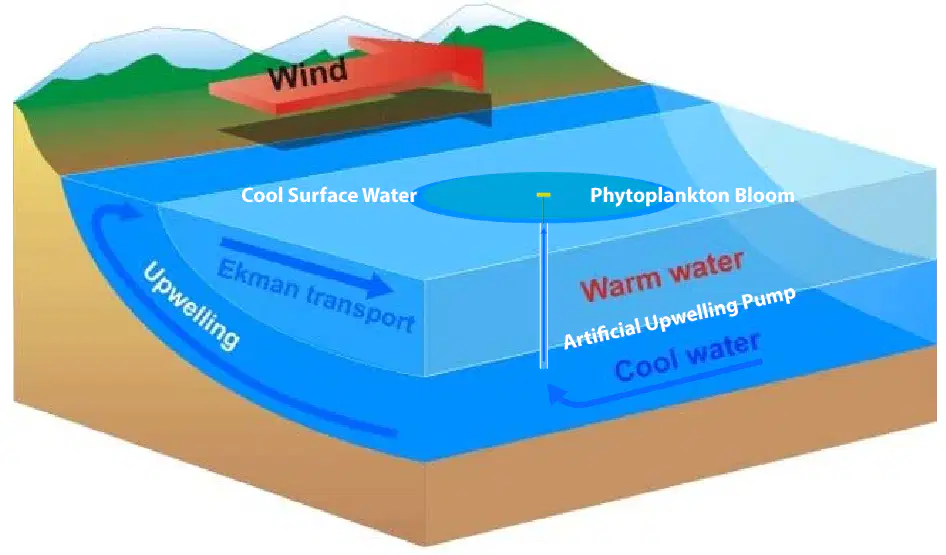
The movement of deep, cold, nutrient filled water to the surface of the ocean is..
Ocean Current
Upwelling
Deep Currents
Surface Currents
What affects the density of water?
Salt
Temperature
The seasons of the year
Both A and B

Ocean currents affect climates around the world. Based on the map, which area MOST likely has a warmer climate than expected?
1
2
3
4

What type of front is over Texas?
warm front
cold front
stationary front
occluded front

A _____________ weather front occurs when a cold air mass moves forward, pushing the warm air mass up.
Cold
Warm
Stationary
Occluded
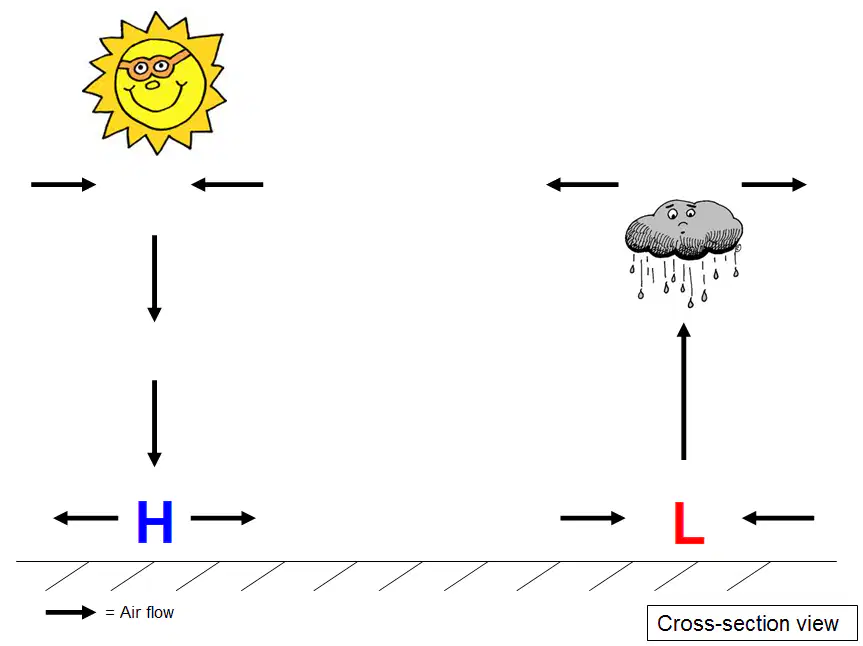
Sunny
Calm
Stormy
Which of these is an example of a human activity that causes climate change?
A. burning fossil fuels
B. removing greenhouse gases
C. using alternative energy sources
D. increasing ash particles from volcanoes


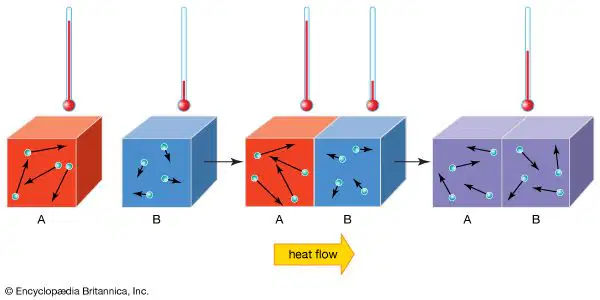
If thermal energy is increasing, what is happening to the kinetic energy.
Kinetic energy would be decreasing
Kinetic energy would stay the same
Kinetic energy would be increasing
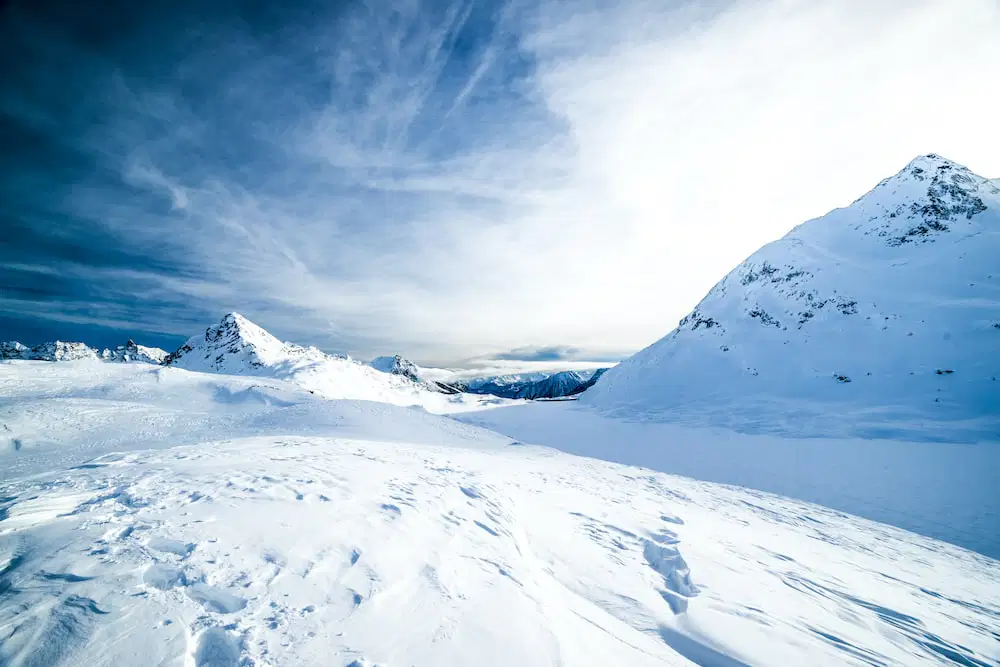
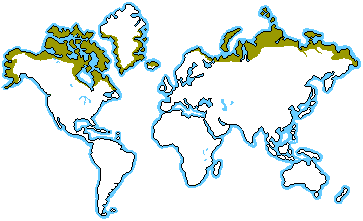
Taiga
Tundra
Temperate Deciduous Forrest
Savanna
Human activities are increasing the level of greenhouse gases in the atmosphere.
True
False


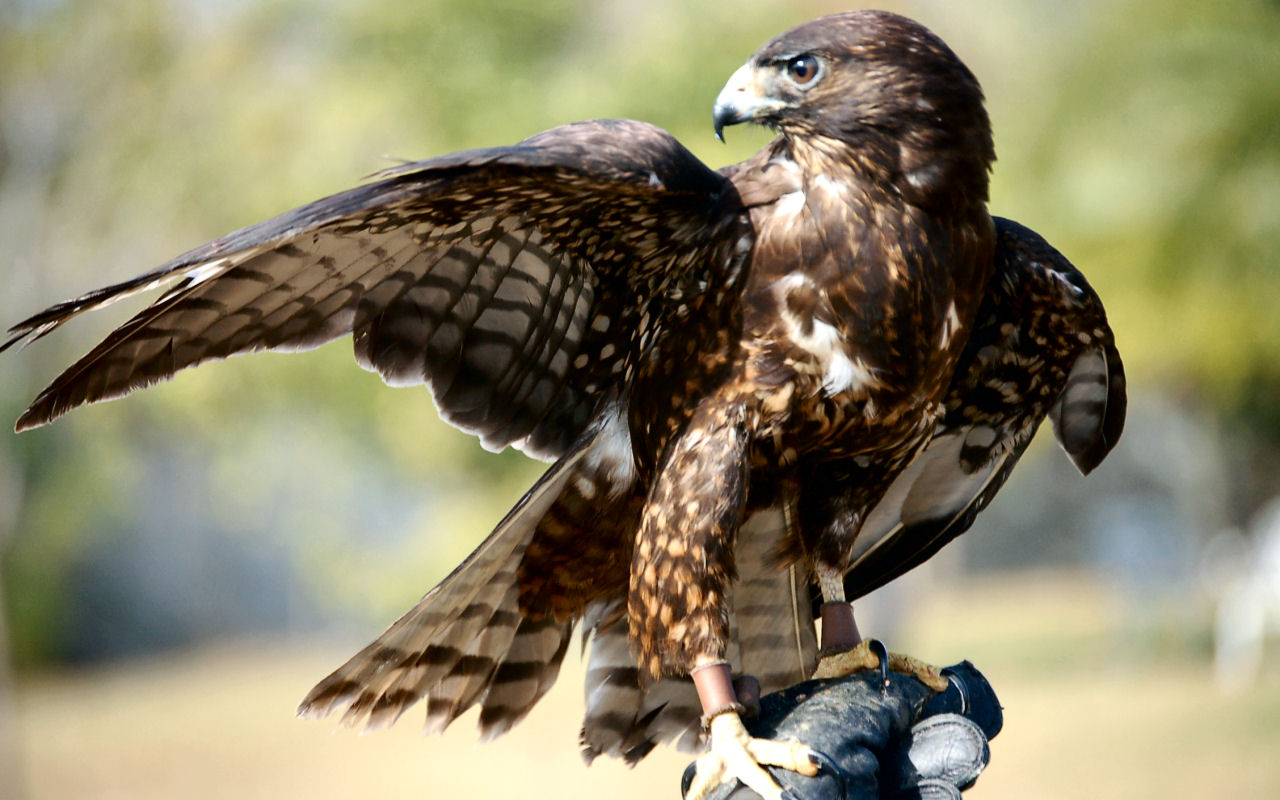
Hawks and brown bears live together in the same habitat. There will be competition between the hawks and the brown bears only if which of the following is true?
Brown bears hibernate during the winter while hawks remain active.
Pesticides in the fish population affect hawks’ eggs and decrease their population.
Both brown bears and hawks feed on the same species of fish.
Both Shanna and Savanna feed on the same species of snakes.
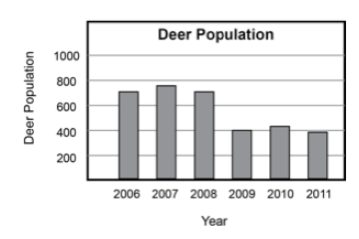
The population of deer in a certain area is monitored over a period of six years. The data is represented in the graph provided. Which of the following is the most likely explanation for the change in population in 2009?
Wild dogs, which prey on deer, were being hunted more than usual.
Snowfall in the previous spring was higher than the yearly average.
Humans introduced grazing animals that feed on the same plants as the deer.
More insects that pollinate flowering plants move into the ecosystem.

A student wants to investigate competition between two organisms. For the investigation, it is most important that the student should choose organisms that –
reproduce at a faster rate.
are both active during the night.
have the different adaptations.
require the same resources.
The milkweed plant serves an important role in the life cycle of the monarch butterfly. Adult monarchs lay their eggs on milkweed, and then caterpillars eat that same plant during their development. Based on the relationship between monarchs and milkweed, which of the following trends would be predicted when looking at data on the populations of these two organisms?
A decrease in the milkweed population will cause a decrease in the monarch butterfly population.
When the milkweed population decreases, the monarch butterfly population stays the same.
A decrease in the milkweed population will cause the monarch population to increase.
When the monarch population increases, the milkweed population stays the same.

Scientists have been studying the size of three populations along the coast of Antarctica. In this ecosystem, penguins eat sardines (a type of small fish), and sardines eat zooplankton (very small animals that live in water). The data showed that all three populations were stable. Then the penguin population decreased suddenly.
What will likely happen to the size of the sardine population as a result?
stay the same. The size of its resource population did not change, so the amount of energy storage molecules available for the sardines did not change. There will be the same number of births and deaths in the sardine population.
decrease. A decrease in one population causes a decrease in the sizes of all other populations in the ecosystem.
increase. The smaller penguin population will leave more energy storage molecules available for the sardine population to reproduce more. This will lead to more births in the sardine population.
increase. The smaller penguin population will need fewer energy storage molecules, so they will eat fewer sardines. This will lead to fewer deaths than births in the sardine population.
Which three factors most directly affect surface currents in the oceans?
upwelling, convection, and the sun’s energy
deep currents, convection currents, and surface winds
dissolved solids, dissolved gases, and the sun’s energy
surface winds, the Coriolis Effect, and continental deflection

Ocean currents affect climates around the world. Based on the map, which area MOST likely has a warmer climate than expected?
1
2
3
4

What does the blue line represent in the Thermohaline circulation?
Warm salty water
Warm water
Cold water
Cold salty water


The density of ocean water is affected by temperature and ______________.
salinity
warmth


Which picture shows material that is more dense?
The picture of the left
The picture on the right
When do particles move faster?
In hot water
In cold water
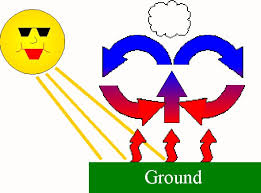
Thermal energy is the __________ _________ energy of moving particles
total potential
average potential
average kinetic
total kinetic
Hot things have ____________ thermal energy than cold things
more
less
same
potato
Objects with MORE MASS have______________
lower potential energy
lower number of atoms
higher thermal energy
higher temperature
Which will have the MOST thermal energy? Remember: Objects with more mass and higher temperatures have more thermal energy.
Hot cup of tea
Cold bathtub water
Huge lake in a tropical zone
Warm bowl of soup
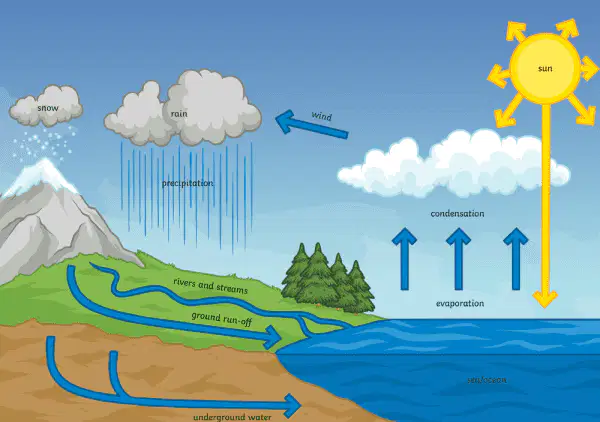
Which best explains why surface water runoff is important?
It returns water to other locations on Earth
It increases the chance of flooding
It makes evaporation occur faster
It increases condensation


Precipitation as Acid rain
Runoff water & Groundwater
Industry & Household waste
All of these

Which of the following would be the most likely effect, if there were a sudden increase in the cricket population?
There would be a decrease in the small bird population.
There would be a decrease in the grass/flowers population.
There would be a decrease in the mice population.
There would be an increase in the grass/flowers population.

