
 Worksheets
plantdevonline
Total questions: 84
Worksheet time: 1hrs 26mins
Which of the following is NOT a structure of a plant?
root
stem
feet
flower
Which is NOT a characteristic of plants?
Autotroph
Eukaryotic Cell
Single Celled
Cell walls
What is TUBE that carries water and nutrients from the roots to every part of the plant?
xylem
pholem
gymnosperm
angiosperm
Which structure of the plant is responsible for transport?
Flower
Leaf
Stem
Root
Which of the following is NOT a function of the flower?
Be attractive
Female reproductive parts
Male Reproductive parts
Control Hydration
An organism who can make their own food from the sun is known as a-
Heterotroph
Eukaryote
Autotroph
Prokaryote
What is the function of the leaf?
To absorb water from the ground
To absorb sunlight and make food
To absorb nutrients from the soil
To absorb pollen from pollinatros
What is the function of the leaf?
To absorb water from the ground
To absorb sunlight and make food
To absorb nutrients from the soil
To absorb pollen from pollinatros
Part of the plant that is long, transport nutrients, water and keep the plant stable in the ground.
Roots
Stem
Petals
Leaves

This type of root grow very deep in the ground and store food for the plant.
Fibrous Roots
Taproots
Pumpkin Roots
Stems

This type of root is long and all grow the same.
Fibrous Roots
Taproots
Pumpkin Roots
Stems
What is the TUBE that takes food that is made in the leaves to every part of the plant?
xylem
pholem
gymnosperm
angiosperm
What is the difference between growth and development?
Growth is when an organism gets larger, Development is when an organism becomes more complex
Growth is when an organism becomes more complex, Development is when an organism gets larger

Which of the following is NOT a part of a plant?
Stem
Leaf
Root
Flower
Tubed Feet
Which part of the plant supports the plant and holds the leaves up toward the light?
Stem
Leaf
Root
Flower
Which part of the plant is the location where photosynthesis, respiration, and transpiration occurs?
Stem
Root
Leaf
Flower

Which part of the plant anchors the plant in the ground and
absorbs water and minerals from the soil?
Stem
Leaf
Root
Flower
What factor would make a root system in a plant more effective in gathering materials? (What would help it absorb more water and nutrients?)
More surface area
Less surface area

What type of root system would the root under B be considered?
Taproot
Fibrous
Which part of the plant contains the seeds?
Stem
Flower
Roots
Stem
An organism that creates their own food is called a __________?
Autotroph
Heterotroph
Carnivore
Omnivore
_______ transports food made in the leaves throughout the vascular system of the plant?
Xylem
Phloem
Vessels
Angiosper,
Which part of the root helps to create more surface area?
Root Hairs
Root Stems
Root Leaves
Flowers
_______ transports nutrients and water throughout the vascular system of the plant?
Xylem
Phloem
Vessels
Angiosperms
A plant embryo resumes its growth in a process called
Epigeal
Hypogeal
Germination
apical meristem
What is intrinsic factors that affect plant growth and development?
pH, Photosynthesis, Nutrients
Temperature, Oxygen, Water and Nutrients
The Increase of Cell Numbers
Genetic Factor and Plant Hormones
What is the bone of plants called?
Apical Meristem
Primary Meristem
Secondary Meristem
Cork
True or false? An imperfect flower has either male parts or female parts, but not both.
The male parts of a flower are the _________ and the _________.
style
filament
anther
pistil
What do we call all the female parts of a flower?
Pistil
Stamen
Ovary
Ovule
What is created when the pollen and ovule join together?
a seed
an ovary
a pistil
a stigma
True of false? The style belongs to the male part of the flower.
The pistil has four parts: The ovary, the style, the stigma and ......
the ovules
the anther
the filament
the stamen
True or false? After pollination, the ovary of a flower becomes a fruit.
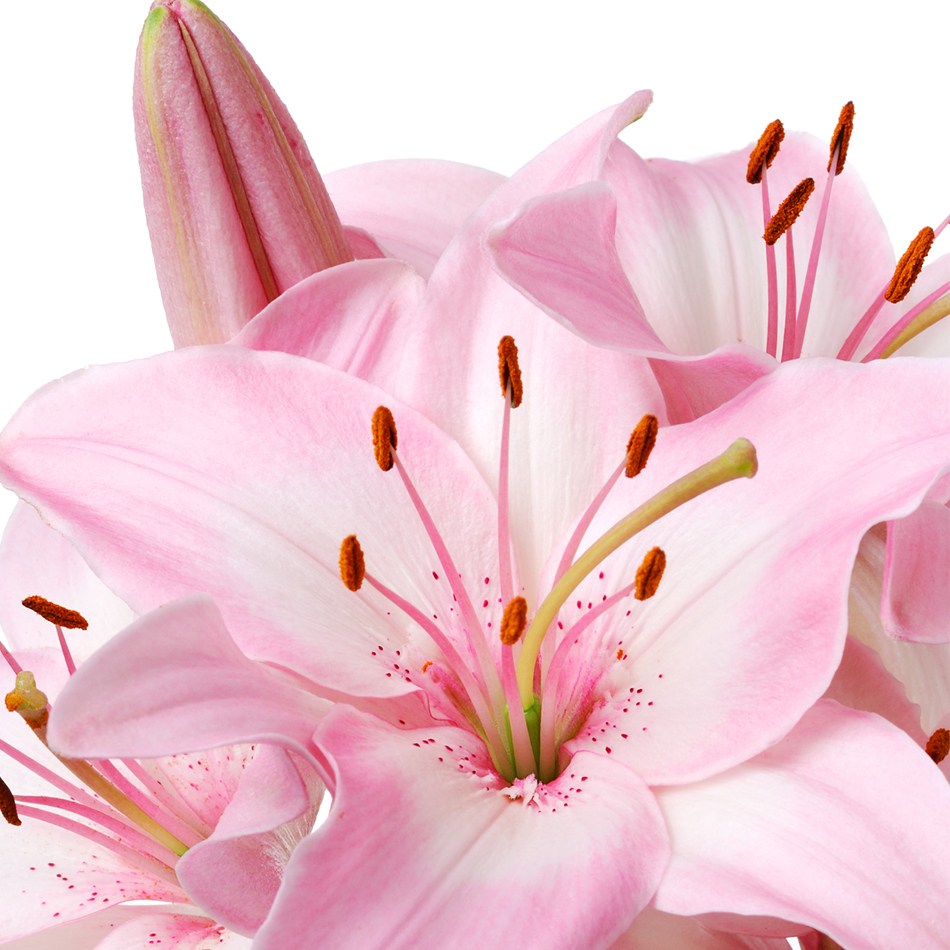
The male part of the flower is called__________.
the stamen
the petal
the style
the pistil
Which part of the male plant produces the pollen?
the filament
the anther
the stigma
the style
What are plants searching for when they grow out of the ground? (hint: it makes them grow tall)
sunlight
good air
Roots grow downward to anchor the seed.
True
False
What does the word GERMINATE mean?
dies
begins to grow
Besides the plant embryo, what else is inside the seed?
Food, which it uses until it can make its own food.
grass
source of light
The part of a plant that grows into a new plant
food store
seed
flower
roots
A seed can still grow into a plant, even after many years
Yes
No
Polyploidy is induced through
Irradiation
Mutagenic chemicals
Ethylene
Colchicine
Breeding for disease resistance requires
a good source of resistance
Planned hybridisation
Diseases test
all of these
Pure line breed refers to
heterozygosity only
homozygosity only
homozygosity and self assortment
heterozygosity and linkage
In Dicot embryogenesis the basal cell gives rise to
Hypophysis
Suspensor
both Hypophysis and Suspensor
Octant stage
Development of Dicot embryo was first studied in
Citrus
Zea mays
Capsella
Tridax
The suspensor in dicot embryo is normally ____________ celled filament
2 celled
20 celled
10 celled
single celled
In dicot embryogenesis the lowermost cell of suspensor is
Haustoria
Hypophysis
Cordate
Octant
In Monocot embryogenesis the root cap is formed from
Terminal cell
Basal cell
both terminal and basal cell
torpedo stage
The process of formation and development of an embryo is called as
Fertilization
Embryogenesis
Blastulation
Embrosac developement
During embryogenesis, the zygote divide into 2 cells. Among these 2 cells, the cell near micropyle is called as
Terminal cell
Basal cell
Basal cell undergo many divisions resulting in the formation of a long structure, that structure is called as__________?
Suspensor
Embryo
Embryosac
Zygote


Has fibrous roots
Monocot
Dicot
Has 2 cotyledons
Monocot
Dicot
Has parallel veins
Monocot
Dicot
Has taproots
Monocots
Dicots
What forms the basis of the classification of tissues present in plants and animals? WHat is the first statement?
Plant and Animal Tissues:
Tissues are groups of cells that aggregate together based on similar structure and function.
Parenchyma and sclerenchyma tissues are found in plants, whereas striated muscle fibers and nerve tissues are found in animals.
Different types of tissues have distinctive architectures that are well suited for what they do.
Animals and plants are made up of different kinds of tissues.
For example, groups of parenchyma cells form parenchyma tissues and muscle cells form muscle tissue.
What forms the basis of the classification of tissues present in plants and animals? What is the second statement?
To Identify Parenchyma and Sclerenchyma Tissues in Plants Materials required: We will require permanent slides of parenchyma tissue and sclerenchyma tissue and a compound microscope.
Animals and plants are made up of different kinds of tissues.
Parenchyma and sclerenchyma tissues are found in plants, whereas striated muscle fibers and nerve tissues are found in animals.
Different types of tissues have distinctive architectures that are well suited for what they do.
What forms the basis of the classification of tissues present in plants and animals? What is the third statement?
To Identify Parenchyma and Sclerenchyma Tissues in Plants Materials required: We will require permanent slides of parenchyma tissue and sclerenchyma tissue and a compound microscope.
For example, groups of parenchyma cells form parenchyma tissues and muscle cells form muscle tissue.
Parenchyma and sclerenchyma tissues are found in plants, whereas striated muscle fibers and nerve tissues are found in animals.
Take the permanent slide of the parenchyma tissue and place it on the stage of the compound microscope.

Apical meristems can be found in
The leaves
The tips of the shoots and roots
The xylem cells
The epidermal cells
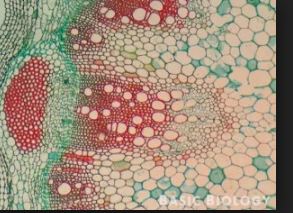
_____________________ is a vascular tissue that carries sugars and other foods throughout a plant.
stems
phloem
roots
xylem

What is the vascular tissue that carries water throughout a plant?
phloem
seedling
xylem
Both a plant and animal cells have a cell wall
True
False
This type of tissue contains cells of same types
Simple permanent tissues
Complex permanent tissues
It is difficult to pull out the husk of coconut because
sclerenchyma cells are closely packed
collenchyma cells have thickened corners
xylem gives mechanical strength
epidermis has a thick cuticle

