
 Worksheets
SUPPORT AND MOVEMENT IN HUMANS AND ANIMALS
Total questions: 36
Worksheet time: 22mins
Cardiac muscle is part of muscle type
True
False

Function of cell shown in above figure is to...
support body movement
allow to human interaction with others
help human to receive more oxygen from external environment
Skeletal muscle can be found at..
Lung
Heart
Skeleton
Blood Vessels
Which characteristics belong to birds?
Their bones are hollow and light
Their body weight are supported by the pectoral girdle and pelvic girdle.
Synovial fluid acts as a ......................... which reduces friction between the ends of the bones.
lubricant
fuel
medium
Elastic, flexible and strong connective tissue that joints two bones.
Tendon
Ligament
Cartilage
A(n) _______ is a fluid-filled cavity that is surrounded by muscle tissue
hydrostatic skeleton
endoskeleton
exoskeleton
A hard outer covering is called a(n) ________
endoskeleton
exoskeleton
hydrostatic skeleton
Most endoskeletons are made of
cartilage
fluid
bone
Choose two organisms that are supported by hydrostatic skeleton.
Fish
Leech
Grasshopper
Star fish


choose type of joint in human
cartilage
hinge joint
immovable joint
ligament

Diagram below shows a human skeleton. Which bones, A, B, C or D forms a part of the axial skeleton?
A
B
C
D

Diagram below shows a human lumbar vertebrae. what is the function of Z?
Protect the spinal cord
Articulate with the skull
Attachment sites for muscle and ligaments
Bear the weight of the lower back of the body
Which of the following is not appendicular skeleton?
lower limbs
pelvic girdle
pectoral girdle
vertebral column
Which of the following conditions is not a problem related to the muscle skeletal system?
Osteoporosis
Osteomalacia
Rickets
Xeroftalmia

Diagram below shows three types of vertebrae on the human backbone. Which of the following is the correct sequence of the vertebrae arrangement?
Y, Z , X
X, Y , Z
Y, X, Z
Z, X, Y

Diagram below shows part of the human arm. Name structure X. What happen to Y and Z when the arm pulled downward?
X: Tendon Y: Contract Z: Relaxed
X: Ligament Y: Contract Z: Relaxed
X: Tendon Y: Relaxed Z: Contract
X: Ligament Y: Relaxed Z: Contract

Diagram below shows the arm bones and the position of triceps muscle. Name bones M and N.
M: Humerus N: Radius
M: Ulna N: Radius
M: Radius N: Humerus
M: Scapula N: Humerus

Diagram below shows a straightened leg. Which of the following muscle actions will bend the leg?
Quadriceps femoris: Contracts
Biceps femoris: Contracts
Quadriceps femoris: Contracts
Biceps femoris: Relaxes
Quadriceps femoris: Relaxes
Biceps femoris: Contracts
Quadriceps femoris: Relaxes
Biceps femoris: Relaxes
Diagram below shows a human skeleton. Which bones, A, B, C or D forms a part of the axial skeleton?
A
B
C
D

Diagram below shows a pectoral girdle. Which tissue connects P and Q?
Bone
Tendon
Muscle
Ligament
Diagram below shows a human lumbar vertebrae. what is the function of Z?
Protect the spinal cord
Articulate with the skull
Attachment sites for muscle and ligaments
Bear the weight of the lower back of the body

Diagram below shows part of human skeleton. Which part form ball-and-socket joint?
R and T
S and U
R and V
V and U
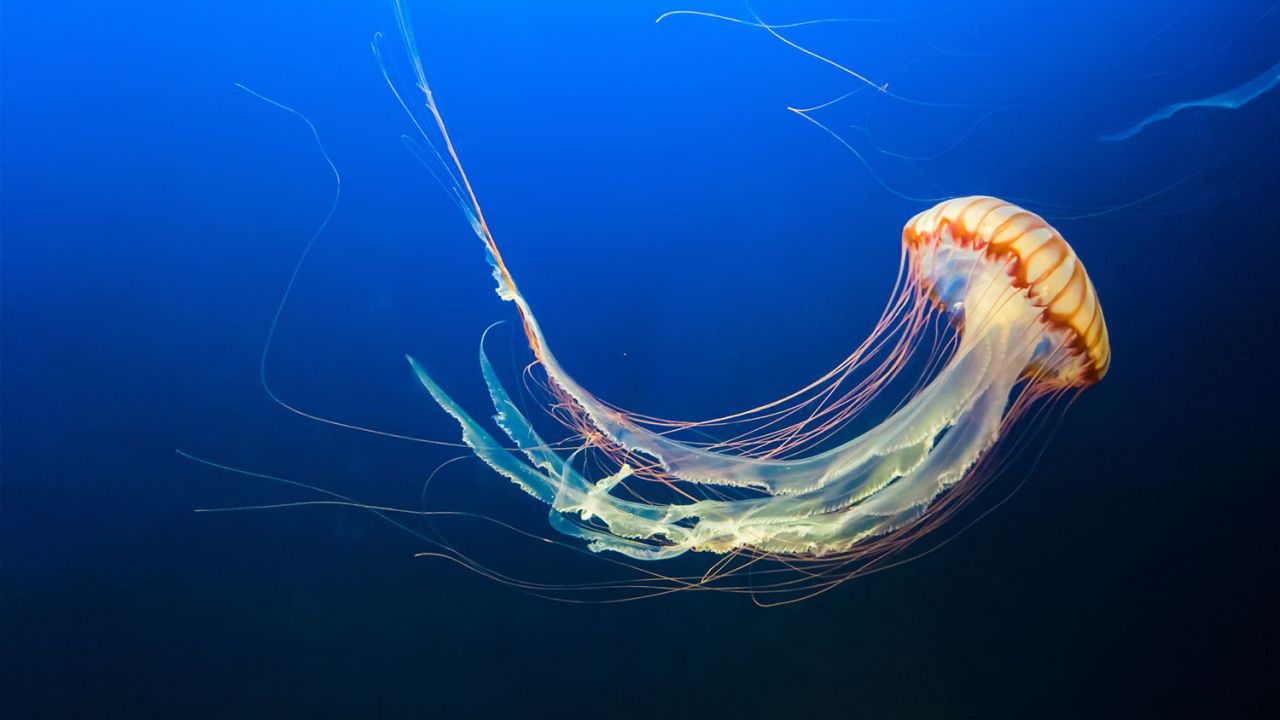
in the water, this animal is supported by....
hydrostatic skeleton and endoskeleton
water bouyancy and exokeleton
exoskeleton and hydrostatic skeleton
hydrostatic skeleton and water bouyancy

which animals have the same support system as the rabbit?
turtle and starfish
bird and whale
scorpion and crab
snake and caterpillar
What is the longest bone in the skeletal system of humans?
cranium
sternum
femur
ribs
Diagram below shows part of the human arm. Name structure X. What happen to Y and Z when the arm pulled downward?
X: Tendon Y: Contract Z: Relaxed
X: Ligament Y: Contract Z: Relaxed
X: Tendon Y: Relaxed Z: Contract
X: Ligament Y: Relaxed Z: Contract
Which of the following statements are true regarding aquatic vertebrates?
i) they have very big pelvic girdles
ii) they have very strong pectoral girdles
iii) they are supported by the buoyancy of water
iii only
i and ii only
ii and iii only
i, ii and iii
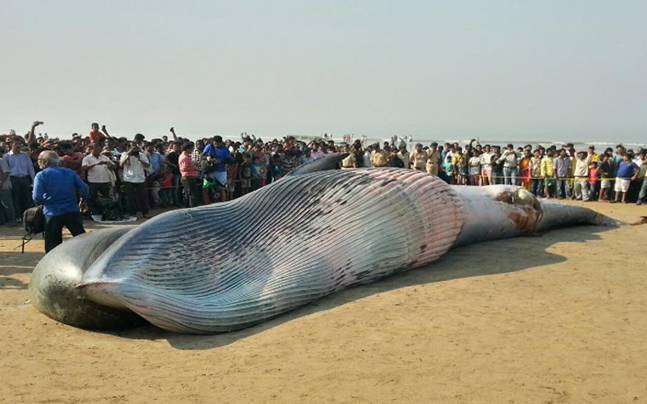
Whales will die if they are washed ashore. his is because
i) they enormous body weight will press down on their organs and crush them.
ii) their body temperature becomes very high on land
iii) they cannot breathe on land
i only
iii only
i and ii only
i,ii and iii
What are the 2 features of a hydrostatic skeleton that is related to to movement
pectoral girdle and circular
pelvic girdle and circular muscle
pelvic girdle and pectoral girdle
circular and longitudinal muscle

