wayground logo

Free Printable Worksheets

NEW

Font size

S
M
L
XL
Worksheets

CH 1 Ecology

Total questions: 52

Worksheet time: 43mins

Name
Class
Date
1.
A nonliving element in an ecosystem is an 
a)
animal
b)
abiotic factor
c)
biotic factor
d)
organism
2.
Which of the following best describes a community?
a)
sharks, groupers, anemones and shrimp on a coral reef
b)
decorator crabs on the seafloor
c)
loggerhead sea turtles in Atlantic
d)
prairie grassland in Wyoming
3.
part of the earth where life exists   
a)
Community
b)
Ecosystem
c)
Biome
d)
Biosphere
4.
All the living and nonliving things that interact with one another in a given area
a)
Community
b)
Ecosystem
c)
Biome
d)
Biosphere
5.

An individual living thing is called an ____________

a)

organism

b)

population

c)

community

d)

ecosystem

6.

A place where an organism lives with the specific biotic and abiotic factors necessary to survive is its ___________.

a)

domain

b)

habitat

c)

population

d)

evolution

7.
What is a example of a abiotic factor?
a)
Panda
b)
Turtle
c)
Butterfly
d)
weather
8.
What is an example of a biotic factor?
a)
skunk
b)
rocks
c)
soil
d)
water
9.
A collection of organisms that belong to different populations but all live in the same area and interact with one another.
a)
Population
b)
Ecosystem
c)
Community
d)
Ecosphere
10.
Which of the following is a population?
a)
hawks, barred owls, and eagles on NC coast
b)
mountain stream
c)
all the frogs in a pond
d)
blue-tailed skinks (lizards) around a barn
11.
Which organizational level of the ecosystem does a pack of wolves represent?
a)
Community
b)
Ecosystem
c)
Population
d)
Organism
12.
the study of how living (biotic) and nonliving (abiotic) parts of the environment interact with each other.
a)
ecology
b)
ecologist
c)
community
d)
biome
13.
The interaction of organisms in an ecosystem is called ___________.
a)
predator-prey
b)
adaptation
c)
symbiosis
d)
ecology
14.
Hawks and owls eat the same thing. That relationship is called ___________.
a)
adaptation
b)
competition
c)
parasitism
d)
mutualism
15.
An example of a parasite is _________.
a)
a tick
b)
a mite
c)
a termite
d)
an orchid
16.

What term describes organisms striving for the same limited resources?

a)

Competition

b)

Predation

c)

Mutualism

d)

Commensalism

17.

A crab is protected from fish when an anemone rides on its shell. The anemone gets more food.

a)

Commensalism

b)

Competition

c)

Predation

d)

Mutualism

18.
A relationship in which two species live closely together.
a)
resource
b)
mutualism
c)
succession
d)
symbiosis
19.
In this picture, the ZEBRA is the __________________
a)
predator
b)
prey
20.

Commensalism is a symbiotic relationship in which what occurs between the organisms?

a)

both organisms are harmed

b)

one benefits, the other is unaffected

c)

one benefits, the other is harmed

d)

one benefits by eating the other

21.

In which symbiotic relationship are both organisms able to benefit from each other?

a)

Competition

b)

Commensalism

c)

Mutualism

d)

Parasitism

22.
Cattle egrets feed in fields among cattle. The egret gets easy access to flying insects stirred up by the cattle, and the cattle don't care if they are there or not.
a)
mutualism
b)
commensalism
c)
competition
d)
parasitism
23.

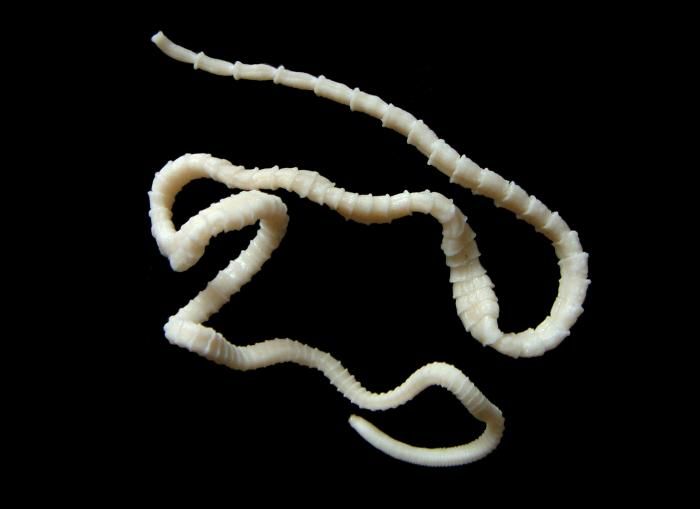
A tapeworm lives in the intestine of a cat absorbing nutrients through its skin. A tapeworm and a cat have this type of relationship.

a)

mutualism

b)

parasitism

c)

commensalism

d)

competition

24.
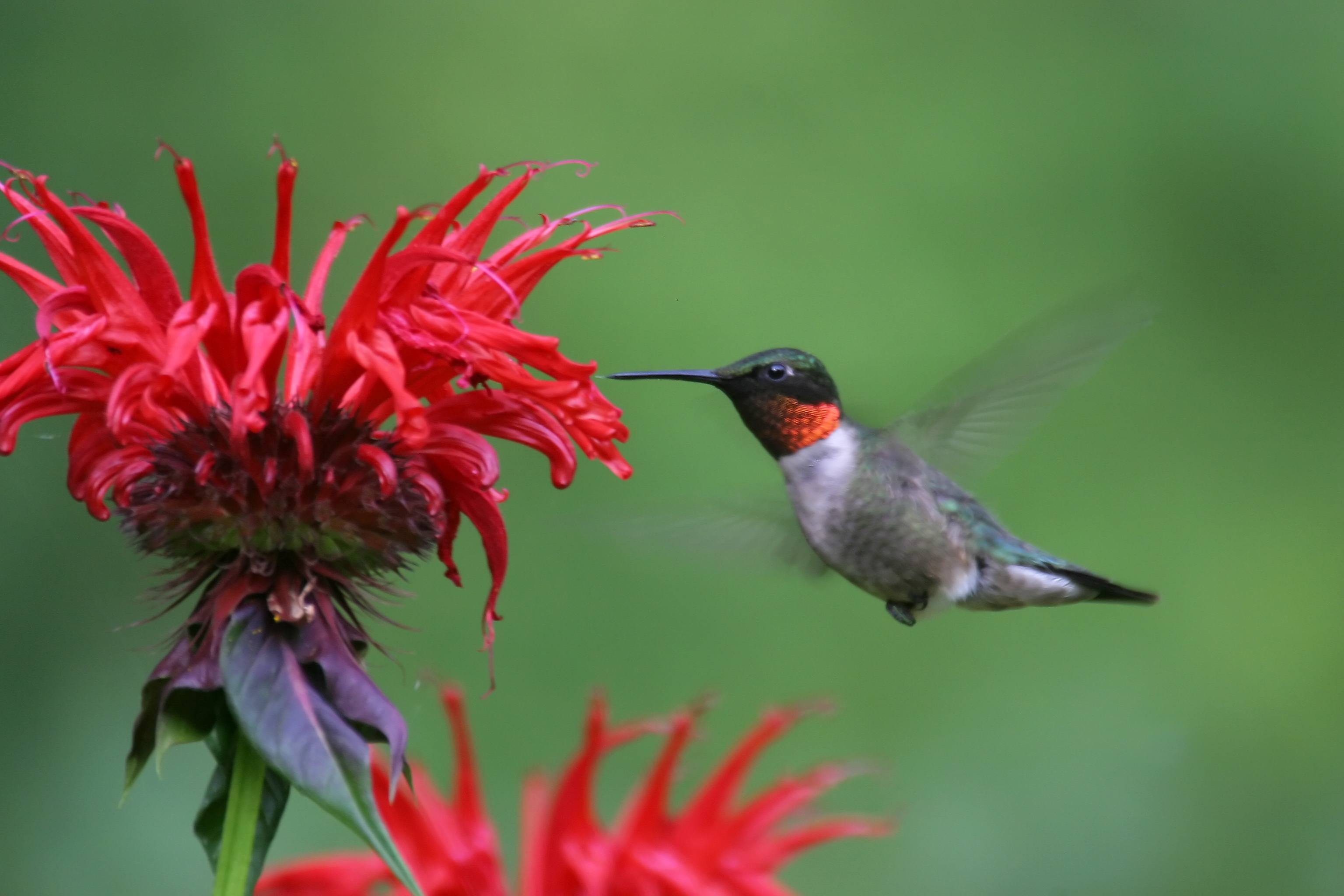
What type of symbiosis?  Hummingbirds feed on nectar from flowers.  The flowers are pollinated by hummingbirds as they move from flower to flower.
a)
commensalism
b)
mutualism
c)
parasitism
d)
predation
25.
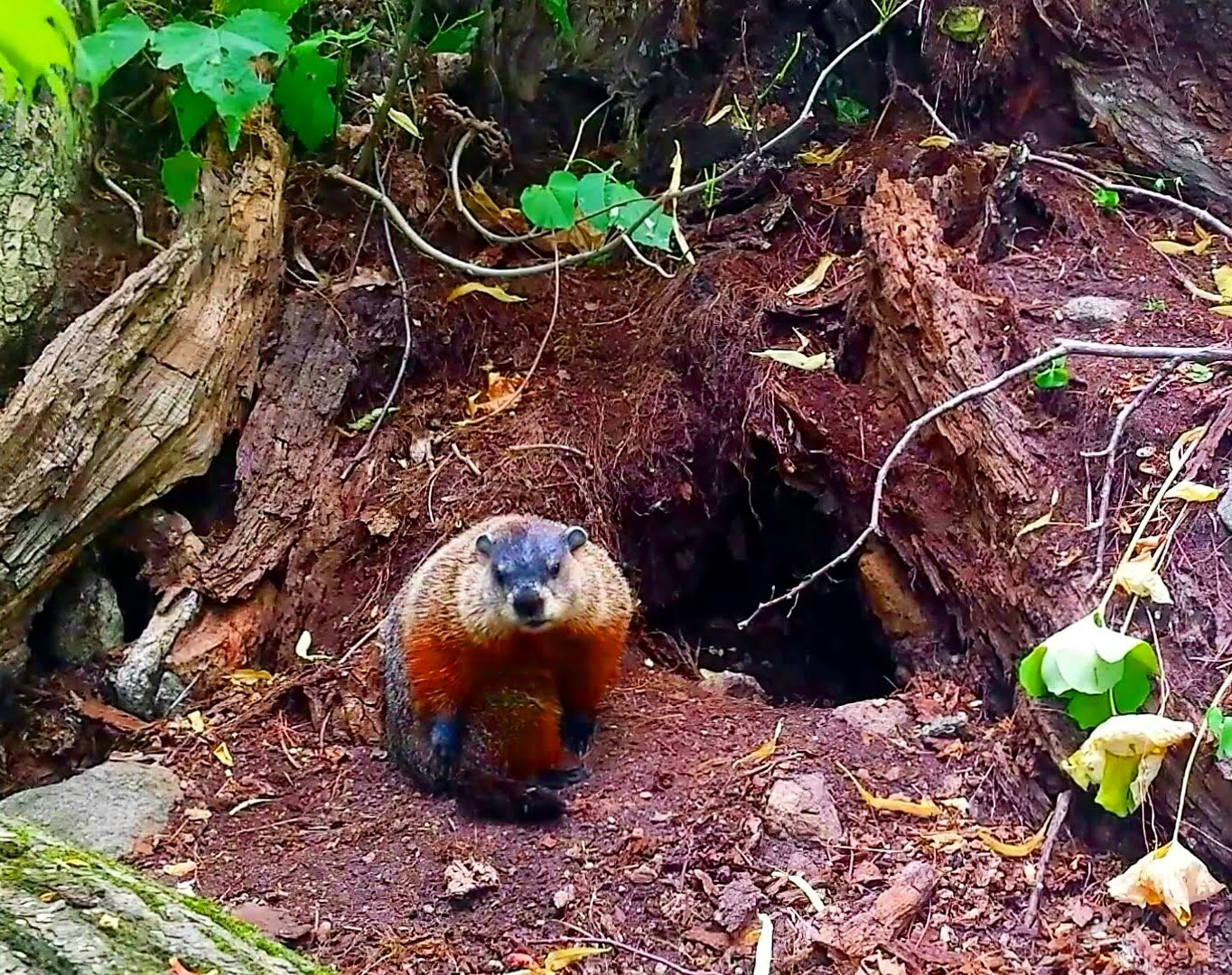
What type of symbiosis?  Skunks often live in burrows that have been dug and abandoned by woodchucks.  
a)
commensalism
b)
mutualism
c)
parasitism
d)
predation
26.
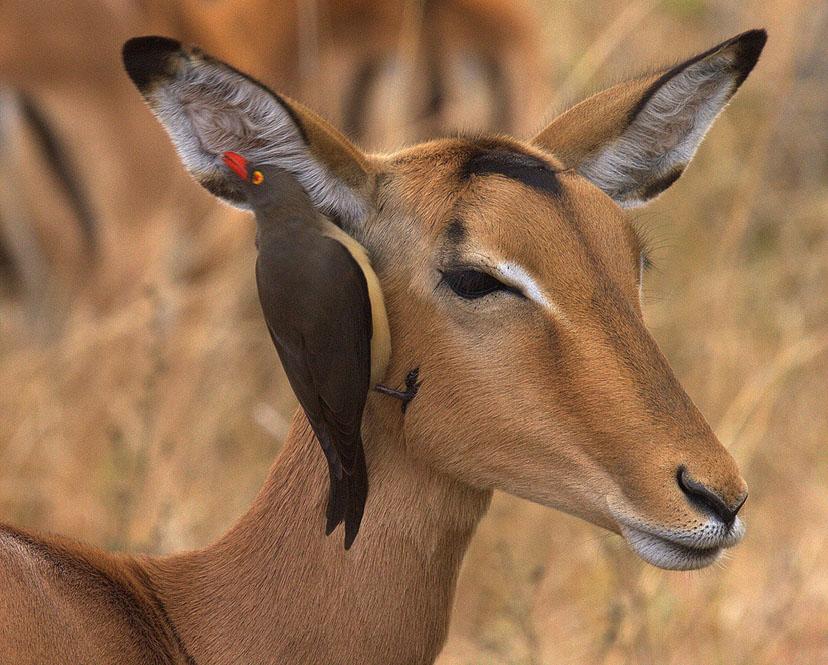
Red-billed oxpeckers are birds that often feed on parasites that infest impala.  This is an example of _______.
a)
commensalism
b)
mutualism
c)
neutralism
d)
competition
27.
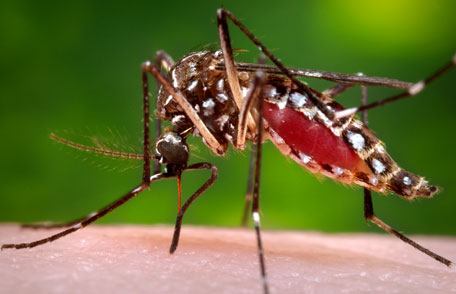
When a mosquito bites you, you are the __________ and the mosquito is the  ____________.
a)
host, hostess
b)
parasite, host
c)
host, parasite
d)
prey, predator
28.

Aphids are tiny insects that live on and eat the leaves of plants, removing vital nutrients from the plants.

a)

Predation

b)

Parasitism

c)

Commensalism

d)

Mutualism

29.

Mockingbirds will push the eggs out of a blue bird's nest and use the nest for it's own babies illustrating...

a)

commensalism

b)

parasitism

c)

mutualism

d)

predation

30.

Clown fish live among anemones, acting as a lure for the sea anemone's prey. The clown fish get protection and shelter from the anemone. This is an example of which type of symbiosis?

a)

Commensalism

b)

Mutualism

c)

Parasitism

31.

A bee and a flower work together to benefit each other. This is an example of a ______. The bee helps the flower by pollinating it and the flower helps the bee by providing it with nectar.

a)

commensalistic relationship

b)

parasitic relationship

c)

mutualistic relationship

32.

Hookworms enter the human body by burrowing into the skin of the feet. Once in the skin, they enter the bloodstream and travel to the small intestine where they attach to the walls and begin to drink the person's blood and weaken the victim.

a)

mutualism

b)

commensalism

c)

parasitism

33.

Lichens are close associations of fungi and algae. The fungi hold the water supply and the algae perform photosynthesis to manufacture carbohydrates for both organisms.

a)

mutualism

b)

commensalism

c)

parasitism

34.

In the jungles of South America lives a thorn tree call an acacia. A species of ant eats secretions of the acacia, drinks its sap, and raises its young in the hollow thorns. The ants also keep competing vines from growing near the acacia tree and they help repel any insects that would damage the acacia tree.

a)

mutualism

b)

commensalism

c)

parasitism

35.

Lactobacilli are a type of bacteria that live in our lungs and destroy many of the microorganisms that enter our respiratory system. They are highly adapted to living in our lungs and can't survive in many other habitats.

a)

mutualism

b)

commensalism

c)

parasitism

36.
a)
Producer
b)
Primary Consumer
c)
Autotroph
d)
Decomposer
37.
a)
Producer
b)
Primary Consumer
c)
Secondary Consumer
d)
Decomposer
38.
a)
Producer
b)
Primary Consumer
c)
Secondary Consumer
d)
Decomposer
39.
The arrows in a food chain or web represent ...
a)
They point to the organism that is being eaten.
b)
It shows how sunlight flows within an ecosystem.
c)
They show the direction the energy is flowing between organisms. 
d)
They represent how water is transferred within a habitat.
40.
The owl and weasel compete for which organism?
a)
Hawk
b)
Spider
c)
Grasshopper
d)
Shrew
41.
An animal that is hunted and eaten for food is the  __________.
a)
predator
b)
prey
c)
population
42.
An organism that gets energy from eating other organisms is a ______________.
a)
producer
b)
consumer
c)
decomposer
d)
prey
43.
Which of the following would be the most likely effect, if there were a sudden increase in the cricket population?
a)
There would be a decrease in the small bird population.
b)
There would be a decrease in the grass/flowers population.
c)
There would be a decrease in the mice population.
d)
There would be an increase in the grass/flowers population.
44.

Organisms that make their own food

a)

Producer

b)

Consumer

c)

Decomposer

45.

Organisms that obtain energy by feeding on other organisms

a)

Producer

b)

Consumer

c)

Decomposer

46.

Organisms that break down wastes and dead organisms and return the raw materials to the environment

a)

Producer

b)

Consumer

c)

Decomposer

47.

Consumers that feed on the bodies of dead organisms

a)

Carnivores

b)

Omnivores

c)

Herbivores

d)

Scavengers

48.

Consumers that eat both plants and animals

a)

Omnivores

b)

Carnivores

c)

Herbivores

d)

Scavengers

49.

A food _______ consists of many overlapping food ________.

a)

web, chains

b)

chain, webs

c)

pyramid, webs

d)

web, pyramids

50.

In the food web above, what eats the rabbit?

a)

Fox

b)

Hawk

c)

Vole

d)

Grass

51.
__________ is an organism that only eats plants for energy.
a)
Carnivore
b)
Herbivore
c)
Omnivore
d)
Terivore
52.
__________ is an organism that only eats meat for energy.
a)
Omnivore
b)
Borivore
c)
Herbivore
d)
Carnivore