wayground logo

Free Printable Worksheets

Font size

S
M
L
XL
Worksheets

The cell and the microscope 1st Yr Sci

Total questions: 42

Worksheet time: 24mins
Name
Class
Date
1.
The ___________ is the basic unit of life
a)
organ
b)
cell
c)
atom
d)
tissue
2.
Directs all cell activities through the DNA located there.
a)
Lysosomes
b)
Nucleus
c)
ribosomes
d)
Mitochondria
3.
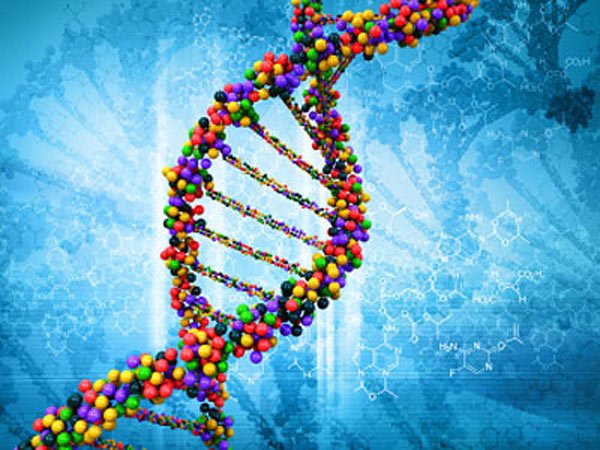
What is the name of the genetic material that is inside the nucleus?
a)
ER
b)
ATP
c)
YOLO
d)
DNA
4.
I am the outer most layer of an animal cell. What am I?
a)
cell wall
b)
nucleus
c)
cell membrane 
d)
cell skin
5.
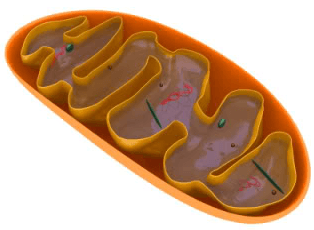
What are tiny organelles that convert glucose into ATP?
a)
Ribosomes
b)
Vesicles
c)
Cytoskeleton
d)
Mitochondria
6.
What is the gel-like substance inside of cells called?

a)
photoplasm
b)
photosynthesis
c)
cytoskeleton
d)
cytoplasm
7.
All living things are made up of...
a)
cells
b)
cell tissues
c)
organ
d)
organ systems
8.
What tool do you use to view the cells?
a)
metric ruler
b)
centrifuge
c)
microscope
d)
pipette
9.
This organelle acts like a gatekeeper, allowing some materials to pass through it, but not others. 
a)
Cytoplasm
b)
Cell Membrane
c)
Mitochondria
d)
Vacuole
10.
What structure is in plant cells but not animal cells?
a)
Cell Membrane
b)
Mitochondria
c)
Cell Wall
d)
Vacuole
11.
This organelle is a gel-like fluid that takes up most of the space inside the cell. 
a)
Cytoplasm
b)
Cell Membrane
c)
Vacuole
d)
Golgi Body
12.

Organelles where photosynthesis occurs, are green due to chlorophyll pigment found in them.

a)

Chloroplasts

b)

Cell Wall

c)

Cell Membrane

d)

Cytoplasm

13.

Saclike structures that store materials such as water, salts, proteins, and carbohydrates.

a)

Nucleus

b)

Ribosomes

c)

Organelles

d)

Vacuoles

14.

Which structures do plant cells have that animal cells do NOT have?

a)

cell wall

b)

large central vacuole

c)

chloroplasts

d)

all of these

15.
This organelle helps plants keep their rigid structure. 
a)
Cell wall
b)
Cell membrane
c)
Chloroplast
d)
Nucleus
16.
This organelle turns the light energy into a simple sugar. 
a)
Mitochondria
b)
ER
c)
Chloroplast
d)
Nucleus
17.
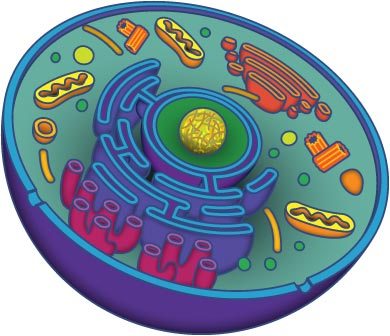
Identify letter I.
a)
nucleus
b)
mitochondria
c)
cell membrane
d)
cell wall
18.
Identify letter H.
a)
nucleus
b)
mitochondria
c)
golgi complex
d)
cytoplasm
19.
Identify letter B.
a)
golgi apparatus
b)
nucleus
c)
cell wall
d)
vacuole
20.
Which  structures are present in animal and plant cells?
a)
Vacuole, nucleus and cell membrane
b)
Nucleus, cell wall, cytoplasm
c)
Nucleus, cell membrane, cytoplasm
d)
Cell membrane, chloroplast, cell wall
21.
What is the total magnification of a microscope with two lenses when one lens has a magnification of 10x, and the other lens has a magnification of 30x?
a)
15x
b)
30x
c)
40x
d)
300x
22.
A microscope is an instrument that.
a)
makes faraway objects look closer.
b)
makes small objects appear larger.
c)
decreases the size of small objects.
d)
increases the size of small objects.
23.
If the eyepiece of your scope has a power of 10, and the selected objective lens has a power of 20,what is the total magnification?
a)
20x
b)
30x
c)
200x
d)
2000x
24.
When you focus on a new specimen, always begin with
a)
low power and coarse adjustment.
b)
low power and fine adjustment
c)
high power and coarse adjustment
d)
high power and fine adjustment
25.
If your teacher asks you to move a microscope to table, how do you carry it?
a)
by the body tube and the eyepiece
b)
with one hand
c)
one hand on the arm and the other under the base
d)
with one hand on the base and the other on the eyepiece.
26.
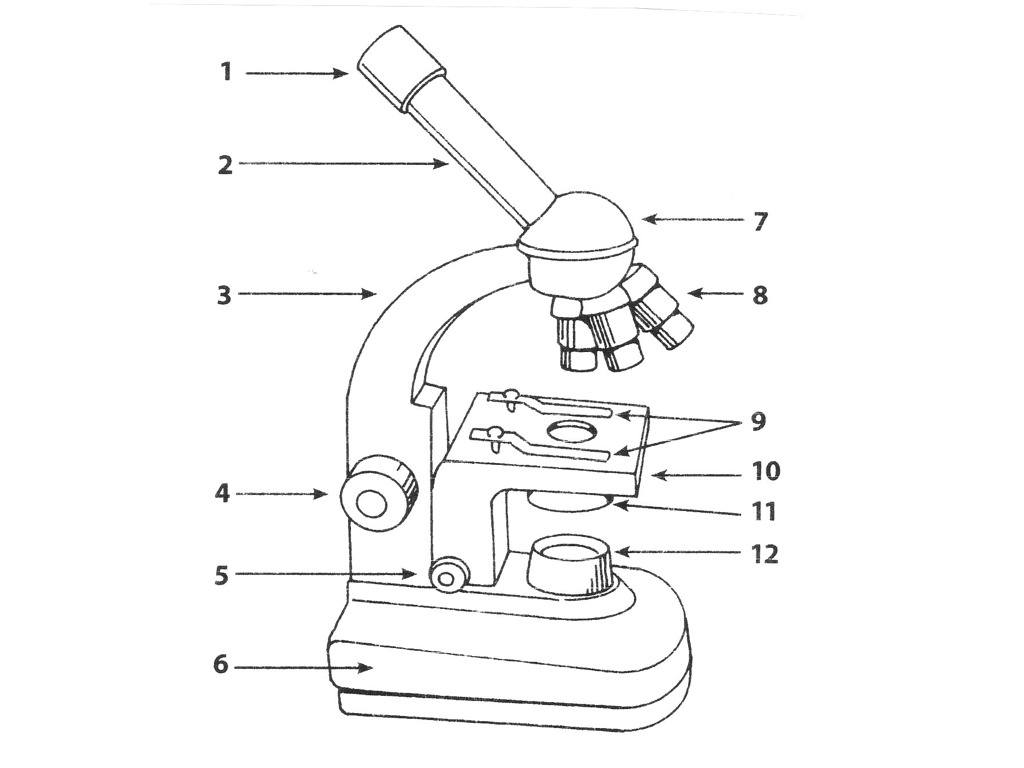
What is part 1?
a)
eye piece
b)
body tube
c)
arm
d)
coarse adjust
27.

Label the part of the microscope. What is part A?

a)

eyepiece lens

b)

eyepiece tube

c)

turret

d)

objective lens

28.

Label the part of the microscope. What is part D?

a)

body

b)

foot

c)

objective lens

d)

turret

29.

Label the part of the microscope. What is part E?

a)

stage

b)

stage clips

c)

focus knob

d)

eyepiece tube

30.

Label the part of the microscope. What is part F?

a)

stage

b)

stage clips

c)

body

d)

focus knob

31.

Label the part of the microscope. What is part J?

a)

focus knob

b)

turret

c)

eyepiece lens

d)

miror

32.

The smallest objective we used in class was _____X.

a)

two

b)

three

c)

four

d)

five

33.

The ___________________________ are used to hold the slide on the stage.

a)

field

b)

mirror

c)

stage

d)

stage clips

34.

Cells are...

a)

groups of tissues that together carry out a particular function.

b)

groups of organs that together carry out a particular function.

c)

the structural and functional units of all living things.

d)

only found in animals.

35.

Tissues are...

a)

groups of cells that together carry out a particular function.

b)

groups of organs that together carry out a particular function.

c)

the smallest functional units of all living things.

d)

only found in animals.

36.

When it comes to biological organisation, the highest level is...

a)

cells.

b)

organs.

c)

body systems.

d)

organisms.

37.

The organ you would find in the circulatory system is...

a)

the liver.

b)

the heart.

c)

the bladder.

d)

the large intestine.

38.

Organs are...

a)

groups of cells that together carry out a particular function.

b)

groups of tissues that together carry out a particular function.

c)

groups of body systems that make up an organism..

d)

unicellular.

39.

The picture that best shows an organ is...

a)
b)
c)
d)
40.

What do multiple different tissues make up?

a)

Cells

b)

More tissue

c)

Organs

d)

Limbs

41.

What do multiple organs make up?

a)

Tissue

b)

Organ Systems

c)

The Human Body

42.

Which two of the below are examples of organ systems?

a)

The Digestive System

b)

The Brain

c)

The Lungs' Pleural Membrane

d)

The Cardiovascular System