
Font size
 Worksheets
SEMI-FINAL EXAM. IN BOTANY
Total questions: 100
Worksheet time: 2hrs 46mins

What are the functions of the roots of plants?
To absorb water and nutrients for the plant. To provide support for the plant to grow.
To enable the plant to grow taller. To transport materials around the plant.
To make seeds for the plant in order to help plants reproduce.
To make fruits and vegetables for the plant in order to help plants sexually reproduce.
To hold the DNA and nutrients for a plants so it can reproduce and form a new plant.

What are the functions of the stem of plants?
To absorb water and nutrients for the plant. To provide support for the plant to grow.
To enable the plant to grow taller. To transport materials around the plant.
To make seeds for the plant in order to help plants reproduce.
To make fruits and vegetables for the plant in order to help plants sexually reproduce.
To make food for the plant through the process of photosynthesis.

What are the functions of the leaves in plants?
To absorb water and nutrients for the plant. To provide support for the plant to grow.
To enable the plant to grow taller. To transport materials around the plant.
To hold the DNA and nutrients for a plants so it can reproduce and form a new plant.
To make fruits and vegetables for the plant in order to help plants sexually reproduce.
To make food for the plant through the process of photosynthesis.

What are the functions of flowers in plants?
To absorb water and nutrients for the plant. To provide support for the plant to grow.
To enable the plant to grow taller. To transport materials around the plant.
To hold the DNA and nutrients for a plants so it can reproduce and form a new plant.
To make seeds and fruits/vegetables for the plant in order to help plants sexually reproduce.
To make food for the plant through the process of photosynthesis.

What are the functions of seeds?
To absorb water and nutrients for the plant. To provide support for the plant to grow.
To enable the plant to grow taller. To transport materials around the plant.
To hold the DNA and nutrients for a plants so it can reproduce and form a new plant.
To make seeds and fruits/vegetables for the plant in order to help plants sexually reproduce.
To make food for the plant through the process of photosynthesis.

Approximately 95% of a plant's mass comes from:
Oxygen
Water
Sunlight
Carbon Dioxide
Soil

In the process of photosynthesis, leaves in plants convert.....
Oxygen to Carbon Dioxide
Carbon Dioxide to Oxygen
Water to Oxygen
Oxygen to Water
Water to Carbon Dioxide
In the process of photosynthesis, leaves in plants convert.....
Light Energy from the Sun into Chemical Energy in the form of food (glucose)
Light Energy from the Sun into Oxygen
Light Energy from the Sun into Carbon Dioxide
Chemical Energy from Soil into Thermal Energy
Carbon Dioxide into Chemical Energy

Which part of the plant has this function?
To enable the plant to grow taller. To transport materials around the plant.
Seeds
Flowers
Stem
Leaves
Roots
Why do plants have smaller parts?
Choose the best answer.
Because each part has a job(s) or function(s) which help the plant survive.
So that the plant can be more diverse.
To make the plant bigger
Which answer is NOT true of a leaf?
Surrounds the seed of a flowering plant
Grows out of the stem
Where a plant makes food
Contains chlorophyll for photosynthesis
The pipe-like shape of this structure makes it perfect for carrying water & nutrients between the roots and leaves
plant
stem
fruit
photosynthesis
The protective covering on this holds a baby plant & a food supply.
fruit
roots
seed
flower
Before there can be a fruit - there has to be a flower
True
False
Guard cells and stomata are important because:
They are green pigments in the plant
They can't move.
They anchor the plant and absorb water
They let ingredients in and out of the leaf
Adding the prefix chloro to the front of the word chlorophyll tells us the color of the pigment used to carry out photosynthesis must be:
green
yellow
blue
none of these


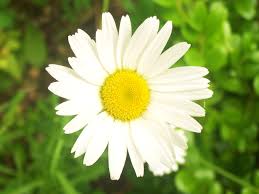

2 things that make a plant different from humans:
They are green and live outside
They make their own food and can't move on their own
They don't mind wind and rain.
Their houses are called greenhouses and they can't grow in the cold.
Every plant begins as a...
bush
seed
tree
fruit
A rigid structure that protects and provides support to the cell
cell membrane
cell wall
cytoplasm
chloroplast
An organelle that takes in sunlight energy, carbon dioxide, and water to make food
cell membrane
cell wall
mitochondria
chloroplast
An organelle that builds proteins
ribosomes
mitochondria
nucleus
cell membrane
This structure allows materials to enter and exit the cell
cell wall
mitochondria
nucleus
cell membrane
A fluid that fills the cell and holds the organelles in place
chloroplast
chloroplasm
cytoplasm
cell membrane
These structures are found in plant cells only
cell wall, cell membrane
mitochondria, chloroplast
cell wall, cytoplasm
chloroplast, cell wall
Organelle that converts the energy in nutrients (food) into usable energy for the organism
mitochondria
chloroplast
nucleus
ribosomes
Process where materials are able to move from areas of high concentration to low concentration.
fission
diffusion
active transport
exocytosis
If there is a high concentration of water outside of a cell, where will the water want to go?
On the outside of the cell
In to the cell
Away from the cell
The nucleus signals to the cell that the cell needs to divide. What life function is this an example of?
get and use energy
respond to external change
reproduce
Ribosomes help make proteins which helps cells change size. Which life function would they be most likely assisting?
respond to external change
grow and develop
get and use energy
jellylike material within the cell where all the organelles are embedded
cell membrane
nucleus
cell wall
cytosol
An organelle that directs all cell activities and stores DNA
ribosomes
mitochondria
nucleus
cell membrane
Opening and closing of stomata takes place due to changes in
turgor pressure of guard cells
plasmolysis of cells
flaccidity of guard cells
wall thickness in guard
The products of photosynthesis are
water and carbon dioxide
sugar and water
sugar and oxygen
oxygen and warter
The products of the light-dependent reactions of photosynthesis are
sugar and water
sugar and oxygen
ATP, NADPH, and oxygen
ATP and Sugar
Why do plants appear green?
They absorb green light.
They excite electrons which emit green light in the visible spectrum.
They reflect green light
They reflect green light
Name the term which is given for the movement of water through a semipermeable membrane?
Diffusion
Osmosis
Tonicity
Transpiration
Name the condition in which protoplast of the plant cell shrinks away.
Turgid
Plasmolysis
Flaccid
Rigid
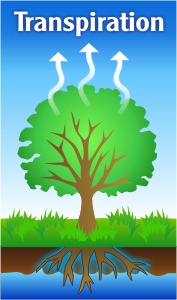
Transpiration is
the movement of water through a plant from the stem to the roots
the loss of water from the leaves of a plant by the process of evaporation in form of water vapour
the flow of water into plant roots by osmosis from the soil
the process of minerals and sugars moving through plant veins
Which of the following is NOT external factors affecting transpiration
Temperature
Wind and air movement
Relative humidity
Rain
What is significance of transpiration
Maintenance of turgidity
Helps in gaseous exchange
Cooling effect for plants
All of the above
Which of the following is not internal factors affecting transpiration
Plant cuticle
Number of stomata
Temperature
Number of leaves
There are 3 types of transpiration except
Cuticular transpiration
Stomatal transpiration
Lenticular transpiration
Chlorophyll transpiration
Pollen grains are produced by ?
the anther
the stigma
the flowers
the leaves
Which group is by far the largest?
conifers
ferns
flowering plants
mosses
A large central vacuole is found in a _____ cell.
animal
plant

Looking in a microscope, you see cells that have rectangular shapes and a green color. What type of cells are you probably viewing?
plant cells
animals cells
muscle cells
blood cells
Which is a primary function of a vacuole in a cell?
enzyme production
protein synthesis
storage
reproduction
What determines the function of a specialized cell?
the active genes in the cell
the number of chromosomes in the cell
the number of ribosomes in the cell
the type of RNA in the cell
What do both prokaryotic and eukaryotic cells contain?
membrane-bound organelles
linear chromosomes
cytoplasm
a nucleus
A plants roots grow thicker towards the stream than away from the stream. To what stimulus is the plant responding to?
thigmotropism
gravitropism
photoropism
hydrotropism
Movement toward a stimulus
hydrotropism
positive tropism
dormancy
stimulus
A period of inactivity before germination
stimulus
tropism
dormancy
photosynthesis
Movement away from a stimulus
geotropism
hydrotropism
stimulus
negative tropism
Water, light, ,earth, and touch are examples of
dormancy
tropisms
stimulus
hibernation

