
 Worksheets
Weather
Total questions: 52
Worksheet time: 3hrs 36mins
What is weather?
The amount of moisture in the air
The number of clouds in the sky
The speed of the wind
The state of the atmosphere at any particular time.
Why is the temperature lower at night than during the day?
There are more clouds at night to block the sun's rays
Winds blow harder at night
The temperature depends on energy from the sun
There is less water in the air at night
What is the difference between absolute humidity and relative humidity?
Absolute humidity represents how much water the air actually holds; relative humidity is how much water the air can hold
Relative humidity makes the air sticky; absolute humidity makes the air dry
Absolute humidity is how much water the air can hold; relative humidity represents how much water the air actually holds
Absolute humidity is expressed as a percentage; relative humidity is expressed as a whole number
Why does it tend to be cool at the Earth's poles?
They are farthest from the sun
They have high absolute humidity
They have the worst weather
Sunlight strikes them at extreme angles
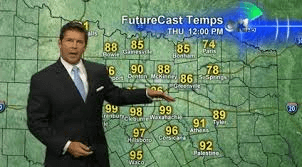


What is the mixture of gases surrounding our planet called?
atmosphere
trees
planet
equator


What imaginary latitude line divides our world into the northern and southern hemispheres?
equator
international date line
As you move towards the poles, what happens to temperature?
temperature becomes hotter
temperature becomes colder
As altitude increases (you climb a mountain) what happens to temperature?
temperature gets hotter
temperature gets colder
When spilled water seems to disappear, it actually just ________.
evaporated
dissolved
turned into precipitation
condensed

Do sea breezes typically happen during the day or night?
Day
Night
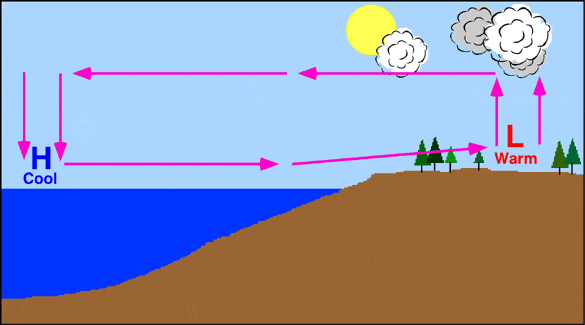

Air moves from _______ pressure to ________ pressure.
high to low
low to high
high to high
low to low
What causes jet streams?
They are caused due to large thunderstorms.
No one knows.
They form when warm air meets cold air.
Too many jets in the air at one time.

A narrow band of fast moving winds high in the atmosphere that move from west to east
Jet Stream
doldrums
equator
polar easterlies

A cold front pushes a warm front up and out of the way and then meets another cold front.
Cold Front
Warm Front
Stationary Front
Occluded Front

Neither air mass really takes over the other.
Cold Front
Warm Front
Stationary Front
Occluded Front

Cold dense air slides underneath warm air. The warm air is forced up, cools, and condenses.
Cold Front
Warm Front
Stationary Front
Occluded Front

Temperature drops quickly. Strong winds, heavy precipitation.
Cold Front
Warm Front
Stationary Front
Occluded Front

Brings some clouds and gentle rains.
Cold Front
Warm Front
Stationary Front
Occluded Front
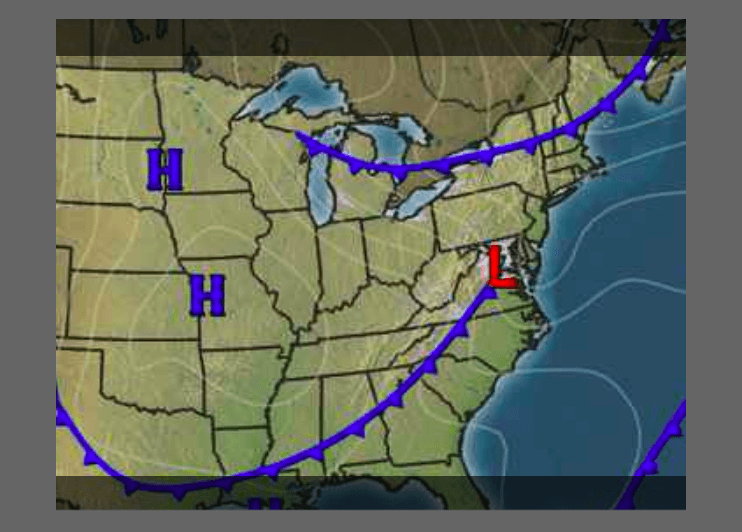
Name that symbol.
Cold Front
Warm Front
Stationary Front
Occluded Front
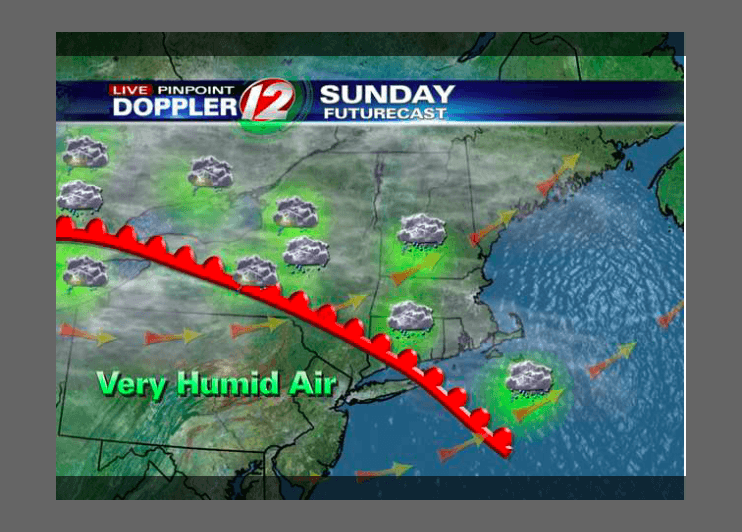
Name that symbol.
Cold Front
Warm Front
Stationary Front
Occluded Front
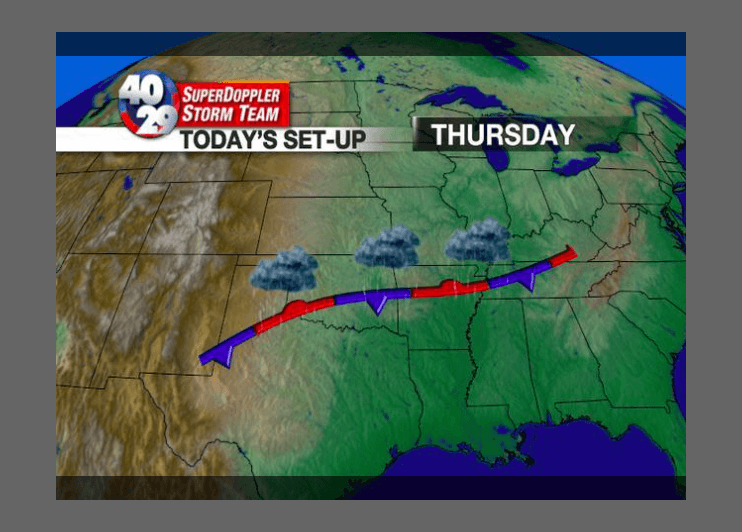
Name that symbol.
Cold Front
Warm Front
Stationary Front
Occluded Front

Name that symbol.
Cold Front
Warm Front
Stationary Front
Occluded Front
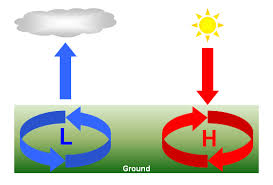
What type of weather will you see along a cold front?
Thunderstorms
Sunny skies
Gentle rain
No weather
What kind of weather happens along a Warm Front?
Thunderstroms
Days of Rain!
Nothing
Wind

