
 Worksheets
Industrial Revolution Test Practice 1
Total questions: 18
Worksheet time: 9mins

What is the movement of people from farms to cities?
Utilitarianism
Urbanization
Proletariat
Enclosure Movement

A place where people and machines join together to mass produce goods.
Cartel
Corporation
Factory
Urbanization
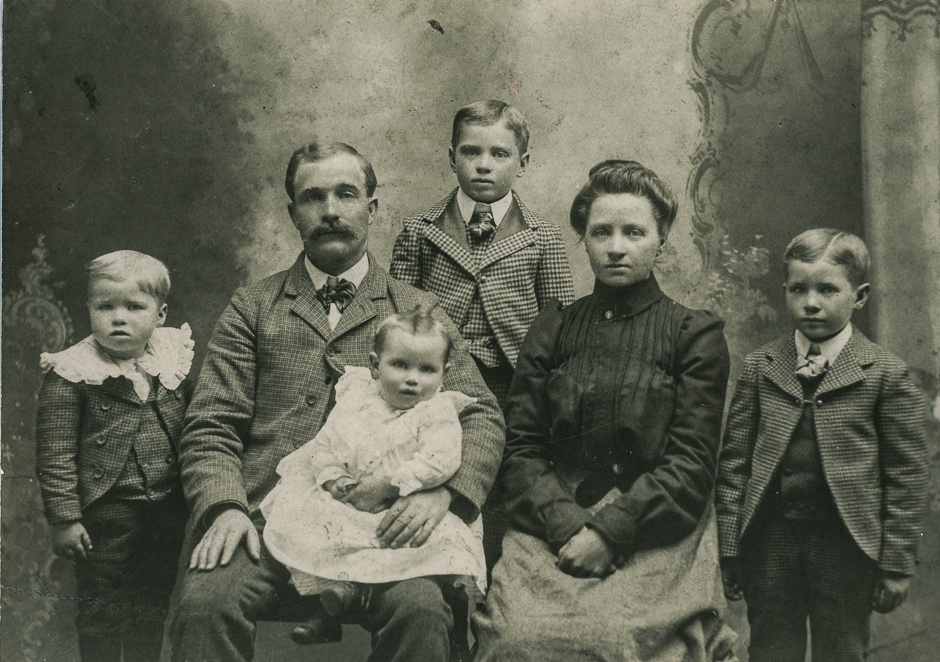
The Industrial revolution created a new ____________ class.
Upper
Poor
Lower
Middle

__________ is known as the Father of modern economics, who theorized Laissez-Faire, the idea that the market should have no political interventions?
Adam Smith
Karl Marx
Thomas Malthus
Frederick Engels

In which European country did the Industrial Revolution begin?
France
Britian
Prussia
Spain

Some of the machines invented in the 18th and 19th centuries are:
telephones, geographic positioning system, radios, airplanes
steam engine, railroads, flying shuttle, phonograph, steam ships, light bulb
sailboats, automobiles, wheel barrels, clocks, word processors
automatic washer, hair dryer, rockets, space shuttles

Which of the following is considered an impact of Industrialization during the 18th and 19th centuries?
Increased competition between industrialized nations
Rise of global inequalities
Transformation of society.
All of the above
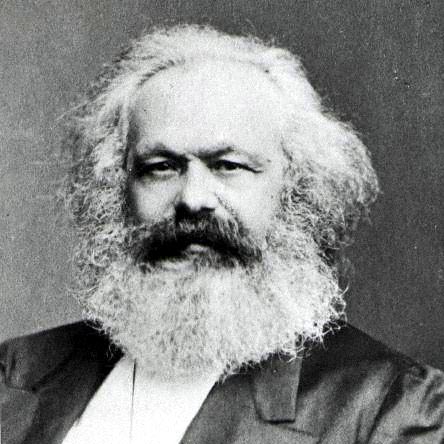
__________________ predicted a violent revolution that would result in the working class taking over in a classless political and economic systems known as communism.
John Adams
Thomas Smith
Karl Marx
Edward Jenner

The Steam engine
was originally invented to pump water out of coal mines
originally used petroleum to function
was originally invented to improve transportation
originally used electricity to function
How did Samuel Slater change the American factory system? (Choose 2)
He hired whole families and provided them housing
He used a “Crompton’s mule” to increase the number of employees.
He provided transportation to the factories from villages that were located far away.
He used watermills to power machines.
Why were factories often located near rivers?
They needed to use a watermill for power.
They needed to use the river for dumping waste.
They needed to use the river for drinking.
They needed to use a water wheel for washing textiles.
What were economic impacts of the invention of and improvements to the steamboat? (Choose 2)
Shipping costs increased.
Shipping costs decreased.
Rivers became less important for trade
Cities developed along major rivers and the Great Lakes.

Which of the following best completes the graphic organizer?
made growing cotton less profitable
increased productivity of cotton farming
decreased the need for slaves
encouraged farmers to move west
Slaves on __________ worked long, difficult hours picking cotton.
plantations
small farms
cities
What were economic impacts of the invention of and improvements to the steamboat? (Choose 2)
Shipping costs increased.
Shipping costs decreased.
Rivers became less important for trade.
Cities developed along major rivers and the Great Lakes.

Which phrase best completes the diagram?
end of plantation lifestyle
increase in use of slave labor
decrease in cotton production
industrialization of the South

Complete the graphic organizer.
urbanization and development of industry
development of industries, resources, and more settlement
expansion of the plantation system

