
 Worksheets
Periodic Table
Total questions: 46
Worksheet time: 31mins

The vertical (up and down) columns in the Periodic Table are called
groups
towers
periods
atomic numbers
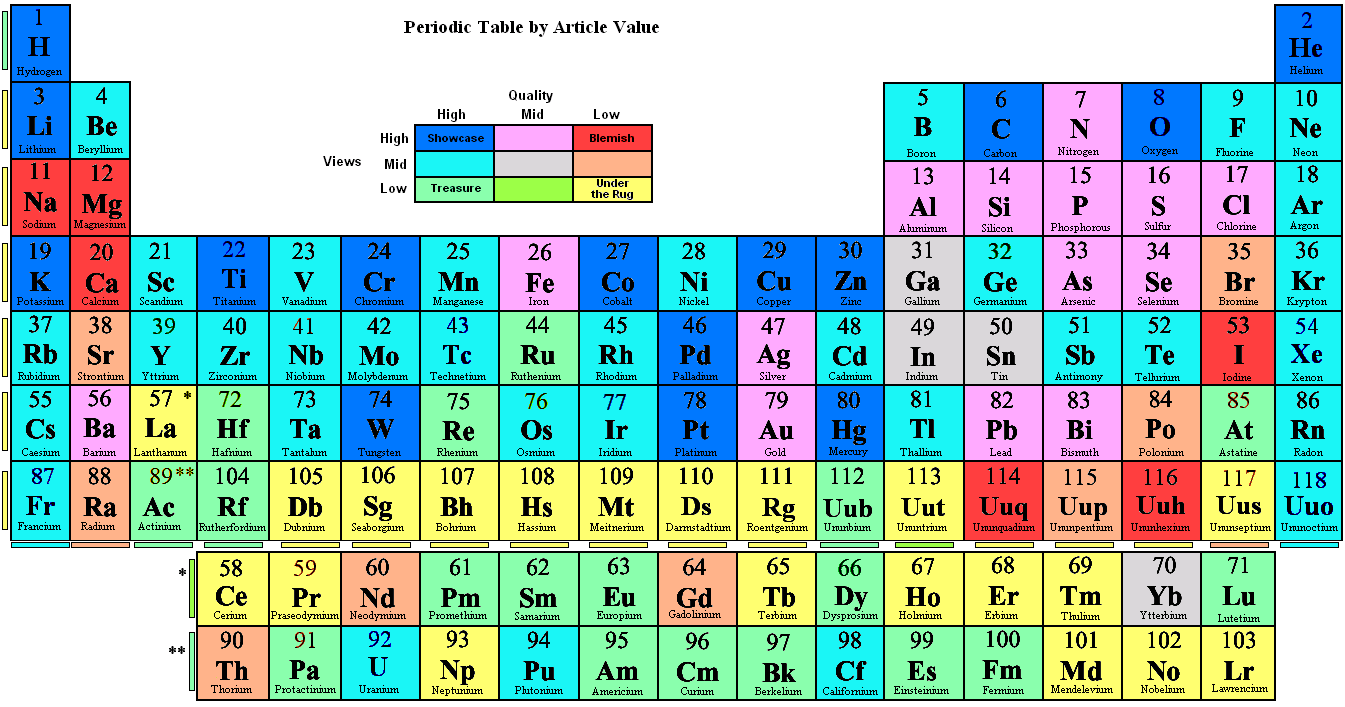

the positively charged subatomic particle contained in the nucleus of an atom
proton
neutron
electron
matter
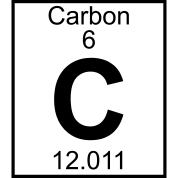

The horizontal (side to side) rows in the Periodic Table are called
groups
families
periods
atomic numbers

Elements which are shiny, conduct electricity and heat are called
metal
nonmetal
metalloid
nonexistent


What period is Lead (Pb) in?
6
4
Metals
4A

What are valence electrons?
Any of an atom's electrons
Electrons located on the first energy level
Electrons not attached to any atom
electrons located on the outer energy level
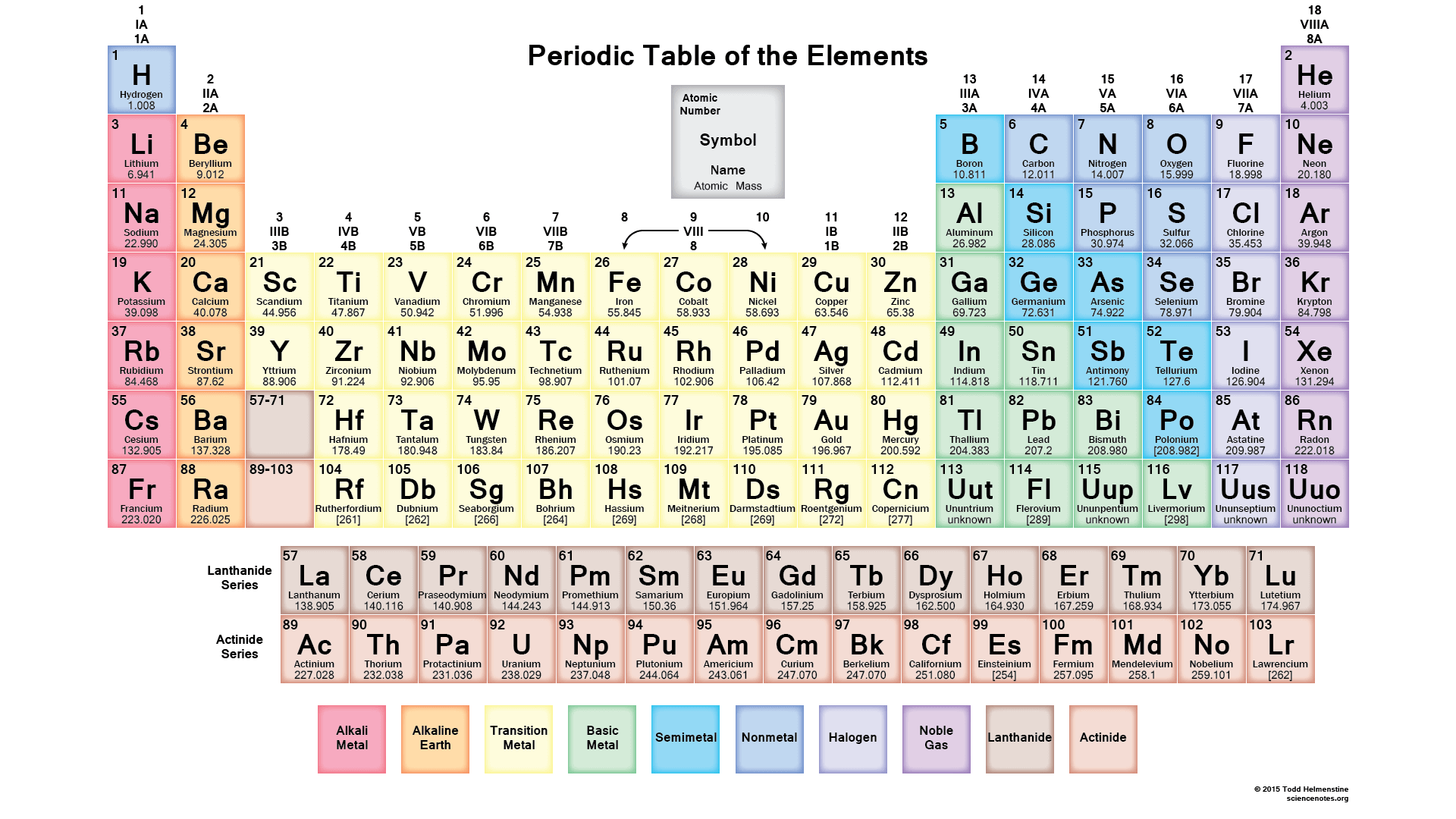

Which group of the periodic table is composed of inert (not reactive) gases with 8 valence electrons?
alkali metals
alkaline earth metals
halogens
noble gases


The atoms on the right of the staircase are called
metalloids
non-metals
metals
noble gases

Which element is found in group 2, period 6?
Oxygen (O)
Barium (Ba)
Selenium (Se)
Carbon (C)
Which halogen is found in period 4?
Krypton (Kr)
Xenon (Xe)
Bromine (Br)
Iodine (I)
Which element has similar chemical properties as sodium but has 7 energy levels?
Francium (Fr)
Cesium (Cs)
Rubidium (Rb)
Potassium (K)
Elements that have the same number of energy levels are said to be in the same ______.
group
period
family
classification
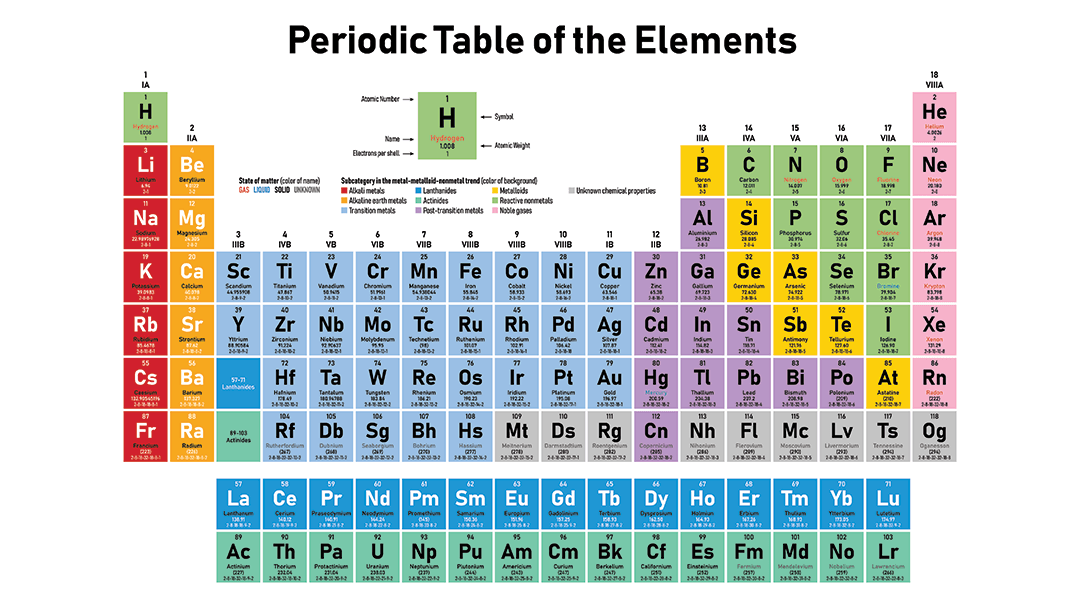
How many valence electrons does Na have?
1
5
6
11
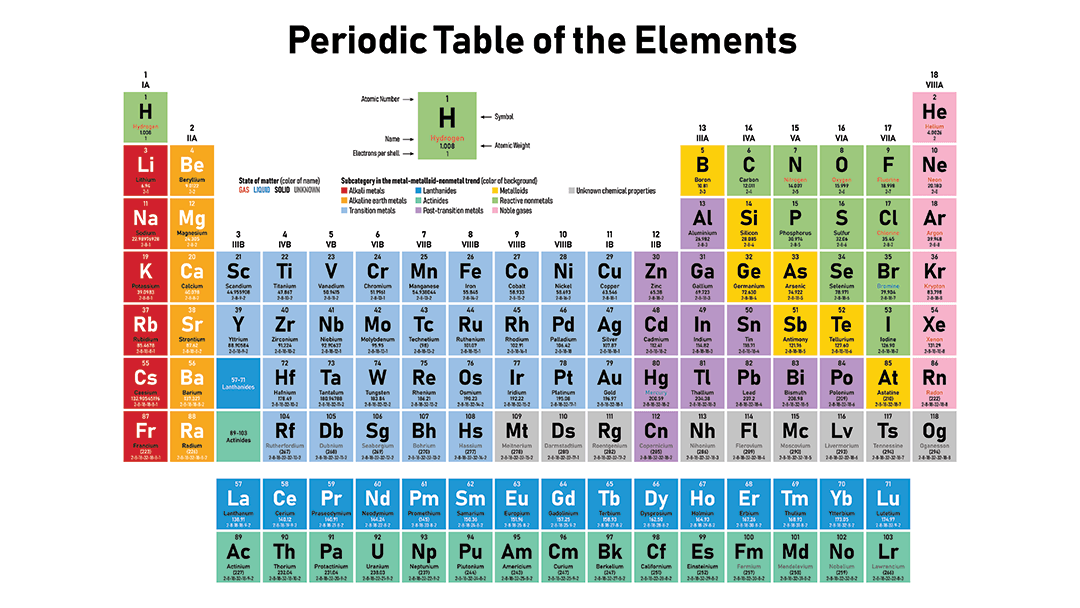
Chlorine ( Cl) has _________ valence electrons.
3
5
7
8

Ga has _______ valence electrons.

Select the elements that have 8 valence electrons.
Ne
Br
Kr
Xe

What is the chemical symbol for Potassium?
Po
P
K
Pm

TRUE OR FALSE Lithium and Beryllium have the same number of valence electron.
TRUE
FALSE
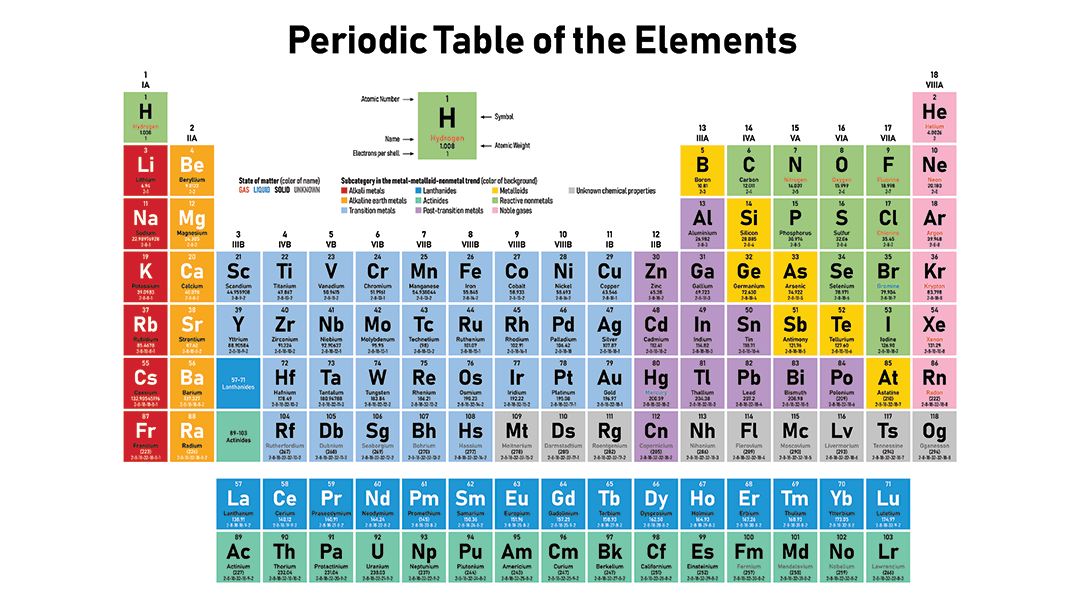
All of the elements has 4 valence electrons EXCEPT______
Carbon
Silicon
Germanium
Selenium
The atomic mass of Titanium is 48 and its proton is 22, therefore its number of neutron is ________
22
24
26
70

How many energy levels does argon (Ar) have?
1
8
6
3
How many energy levels does hydrogen (H) have?
1
8
6
3
How many energy levels does chromium (Cr)have?
1
4
6
3
How many energy levels does iodine (I) have?
7
4
5
3
Valence electrons plays a key role in chemical reactions and it increases from left to right of the periodic table.
TRUE
FALSE
How do we find the number of valence electrons for any atom?
It is the element number (atomic number)
It is the row of the Periodic Table the element is in
It is the group number (1-18)
It is the A group number, or count the tall groups from the left
Once we know the number of valence electrons, how do we predict the charge on an ion?
Determine whether it will lose or gain electrons and how many it needs to lose or gain. Losing electrons results in a + ion, gaining electrons results in a - ion.
Determine the number of valence electrons and make it + for metals, - for non metals.
Determine whether it will lose or gain electrons and how many it needs to lose or gain. Losing electrons results in a - ion, gaining electrons results in a + ion.
Determine how many electrons it needs to get 8. The amount it needs is the charge with a + sign.

Predict the charge on this metal cation
+1
-1
+2
-2

Predict the charge on this metal cation
+1
-1
+2
-2

Predict the charge on this metal cation
+3
-3
+5
-5
Once we know the number of valence electrons, how do we predict the charge on a nonmetal ion?
The charge will be + the number of valence electrons
The charge will be - the number of valence electrons
Subtract the number of valence electrons from 8 and make it +
Subtract the number of valence electrons from 8 and make it -

Predict the charge on this nonmetal anion
+1
-1
+7
-2

Predict the charge on this nonmetal anion
+3
-5
-3
-4

Predict the charge on this nonmetal anion
+3
+6
-6
-2

When this element forms an ion, what will the charge be?
+1
+2
-2
-1

When this element forms an ion, what will the charge be?
-3
+6
-2
-6

When this element forms an ion, what will the charge be?
-1
+1
-2
-7

When this element forms an ion, what will the charge be?
+1
+2
-2
-1

When this element forms an ion, what will the charge be?
-3
+5
-5
-4

When this element forms an ion, what will the charge be?
+1
+2
-2
-1
Sodium (Na) is found in period
3
2
4
1

