
 Worksheets
UNIT 2 Interaction and health
Total questions: 35
Worksheet time: 37mins

_______ collect information from our sense organs (eyes, ears, nose, tongue, skin) and carry it to the brain.
The brain
Motor neurons
Sensory neurons
Spinal cord

Motor neurones transmit messages perceived by the sense organs to our brain.
True
False

An easy one... the five senses are:
Sight, hearing, taste, touch, smell
Eyes, ears, nose, tongue, skin
Eyes, hearing, taste, hands, nose
Sight, brain, taste, touch, smell
Which organ controls the body?

Our eyes are the organs of...
smell
sight
taste
touch

Our tongue is the organ of...
sight
smell
taste
hearing

Our ears are the organs of...
sight
smell
taste
hearing

Look at the picture and choose.
Our skin is the organ of touch.
Our touch is the organ of skin.
Our skin is the organ of taste.
Our eyes are the organs of touch.

Some parts of the eye are for protection:
Iris and pupil
Eyebrows and iris
Eyebrows, eyelashes and eyelids.
Eyelids, pupil and iris.

The ________ turns light into electrical signals.
iris
retina
cochlea
eyelid

Where can you find the eardrum and the three small bones?
outer ear
middle ear
inner ear
nose

When you smell, the air enters your nose through two holes called...
olfatory nerve
smells
nose
nostrils

When you smell, the _______ detects the information and carries it to the brain.
olfatory nerve
nostrils
brain
smells

Which part of the tongue distinguishes different flavours?
sweet
taste buds
bitter
salty

The most important part of the nervous system is the...
brain
nerves
skin
heart

The skeleton is made up of...


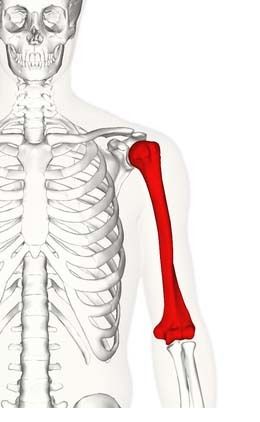


The ________ is the coloured part of the eye that controls how much light enters through the pupil.
Iris
Pupil
Retina
optic nerve
The auditory canal is in the...
Inner ear
Middle ear
Outer ear
Nose
_______ collect information from our brain and carry it to the locomotor system.
The brain
Motor neurons
Sensory neurons
Spinal cord

The __________ in the ear helps you to keep balance and coordinate.
optic nerve
nostrils
semicircular canals
cochlea

The _________ regulates the temperature of your body.
dermis
hypodermis
epidermis
sweat glands

Which is not found in the dermis?
sweat glands
nerve receptors
blood capillaries
taste buds

The _______ is located in the leg.
skull
biceps femoris
humerus
ribs

The three bones of your arm are...
Biceps, triceps and quadriceps.
Humerus, biceps and triceps.
Radius, ulna and femur.
Humerus, radius and ulna.

The ________ controls voluntary movements.
cerebellum
cerebrum
brain stem
spinal cord
The ________ controls reflex actions.
cerebellum
cerebrum
brain stem
spinal cord
The vertebrae protects the...
brain stem
brain
cerebrum
spinal cord
Choose the good habits.
Eat sugary foods.
Do exercise.
Keep clean.
Sleep 2 hours a day.
Infectious diseases are caused by germs.
True
False

