
 Worksheets
Unit 3 Atomic Structure Review
Total questions: 53
Worksheet time: 37mins


Isotopes have the same number of ____, but different number of ____.
neutrons; protons
protons; electrons
protons; neutrons
electrons; protons
What is the atom's nucleus made of?
protons
electrons
neutrons
ions
Atoms of the same element that have different numbers of neutrons are called_________
molecules
ions
protons
isotopes
Which particles determine the atomic number of an element?
protons only
protons and neutrons
electrons
protons and electrons
Beryllium is in GROUP 2 because it
is a metal
is a gas
has 2 valence electrons
has 2 energy levels
Atoms of elements in the same GROUP of the periodic table share the same
number of energy levels
number of valence electrons
atomic numbers
atomic masses
An element with 4 protons, 5 neutrons, and 4 electrons has a mass number of _______
7
9
13
14
The total number of neutrons of any atom is equal to the
mass of the atom
mass number minus the atomic number
atomic number of the atom
An atom is electrically neutral because
neutrons balance the protons and electrons
nuclear forces stabilize the charges
the number of protons and electrons is the same
the number of protons and neutrons are equal
Sodium, Magnesium, Aluminum, and Chlorine are all members of the same_____
family
group
period
valence level
Select which of the following statements about the arrangement of the periodic table Are True
Noble gases are the group farthest to the right
Metals are found on the left side of the periodic table
Transition metals are in the center of the periodic table
Rare earth elements are in the first column on the periodic table
Which of the following developed the first periodic table using atomic mass?
Dimitri Mendeleev
Niels Bohr
JJ Thompson
Democritus
Which of the following said that electrons travel in fixed orbits around the nucleus of teh atom?
Dimitri Mendeleev
Niels Bohr
JJ Thompson
Democritus
Which of the following named the atom based on a word that means indivisible?
Dimitri Mendeleev
Niels Bohr
JJ Thompson
Democritus
Which of the following developed the Plum Pudding Model- with an atom is a positive sphere with negative particles spread evenly throughout?
Dimitri Mendeleev
Niels Bohr
JJ Thompson
Democritus
This element is in the Alkaline Earth Metals group and has 4 energy levels
Beryllium
Potassium
Calcium
The atomic number of Potassium is 19 and the atomic mass is 39.10. Its nuclei must contain
19 protons and 39 neutrons
19 protons and 19 electrons
39 protons and neutrons
19 protons and 20 neutrons
The majority of the volume of an atom is located in the ________
nucleus
electron cloud
valence electrons
The majority of the mass of an atom is located in the ________
nucleus
electron cloud
valence electrons
Neutral atoms have
have more protons than electrons
same number of protons and neutrons
have less protons than electrons
same number of protons and electrons
Positive ions have
have more protons than electrons
same number of protons and neutrons
have less protons than electrons
same number of protons and electrons
Negative ions have
have more protons than electrons
same number of protons and neutrons
have less protons than electrons
same number of protons and electrons
The atomic number of Oxygen is
7
8
16
18
A Oxygen anion has a charge of -2 because is LOST two electrons
True
False
A Beryllium cation has a charge of +2 because is LOST two electrons
True
False
For the element Sodium (Na+1) identify whether it is a Metal or Non Metal. Also identify if it is a cation or anion. You will select 2 answers
metal
non metal
cation
anion
For the element Chlorine (Cl-1) identify whether it is a Metal or Non Metal. Also identify if it is a cation or anion. You will select 2 answers
metal
non metal
cation
anion
An anion is an ion that has
more than 1 charge
a positive charge
a negative charge
A cation is an ion with a _______ charge because it has _______electrons
positive, gained
positive, lost
negative, gained
negative, lost

Which of the following explains the location of nitrogen the periodic table?
It has one more proton than carbon, so it is located after carbon, and it is a metal, so it is located on the right of the periodic table.
It has one less proton than carbon, so it is located after carbon, and it is a non-metal, so it is located on the right side of the periodic table.
It has one more proton than carbon, so it is located after carbon, and it is a non-metal, so it is located on the right side of the periodic table.
It has one less proton than carbon, so it is located after carbon, and it is a metal, so it is located on the right side of the periodic table.
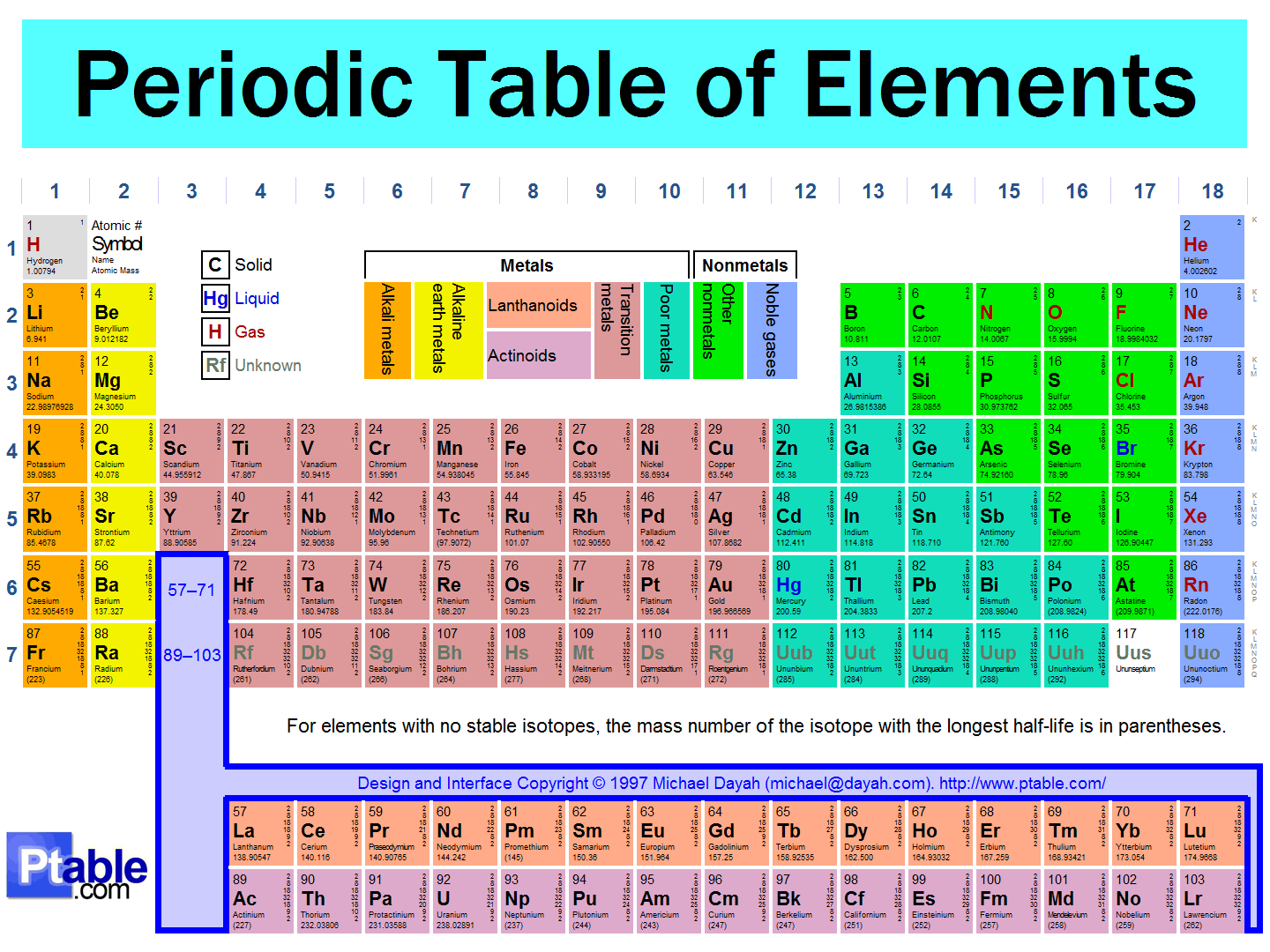


Label (c) of the Periodic Table.
Period
Group
Metals
Non-metals

Label (d) of the Periodic Table.
Group
Period
Metals
Non-metals

These models both represent the element of _______
Chlorine
Fluorine
Oxygen
Which model shows an ion? Is it a cation or an anion?
1, anion
1, cation
2, anion
2, cation
Use your periodic table to show the number of protons Sulfur has
14
16
32
Elements on the periodic table are organized into families with similar properties
True
False
Which family has a full outer shell?
Alkaline Earth Metals
Alkali Metals
Noble Gases
Halogens
What charge will atoms in group 1 have?
+2
+1
-1
-2
An anion is always...
positive
negative
A cation has...
more protons than electrons
more electrons than protons
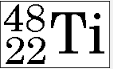


What is the mass number of the element shown?
15
7
8
0
An atom has 12 protons and 13 neutrons in its nucleus. Which is the correct symbol?



