
Font size
 Worksheets
SIE AL-AZHAR PAS1 grade 6
Total questions: 63
Worksheet time: 1hrs 4mins
What is the 1st step in the Respiratory system
mouth
nose
mouth & nose
the eye
When you breathe "in", you take in
carbon dioxide
oxygen
nitrogen
The Main tube that takes air to your lungs
bronchi
bronchioles
trachea
air sacs
What is the Scientific Name for Air Sacs
bronchi
alveoli
bronchioles
trachea
The tubes that lead into each lung
trachea
bronchi
bronchioles
air sacs
What type of air to we breath "out"
carbon dioxide
oxygen
nitrogen
The tiny, thin, hair like tubes in the lungs are
the trachea
the bronchi
the bronchioles
the alveoli
Where does the oxygen get into the blood?
the trachea
the bronchi
the bronchioles
the alveoli
How many alveoli are there in BOTH lungs
30 thousand
600 million
60 million
60 thousand
How many bronchioles are in EACH Lung
30 thousand
600 million
60 million
60 thousand
Oxygen is transferred in the air sacs THROUGH THE
capillaries
bronchi
Lungs
What are the main organs in the Respiratory System?
Windpipe
Nose
Mouth
Lungs
Large, dome like muscle under your lungs
Lungs
Trachea
Diaphragam
Alveoli
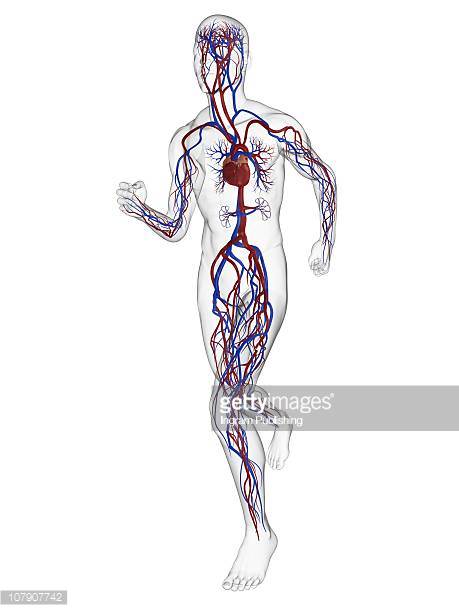
What is the main organ of the circulatory system?
small intestine
bone
lungs
heart
The job of the heart is to . . .
pump blood around the body.
send food to the small intestines.
break down food.
give energy to the body.
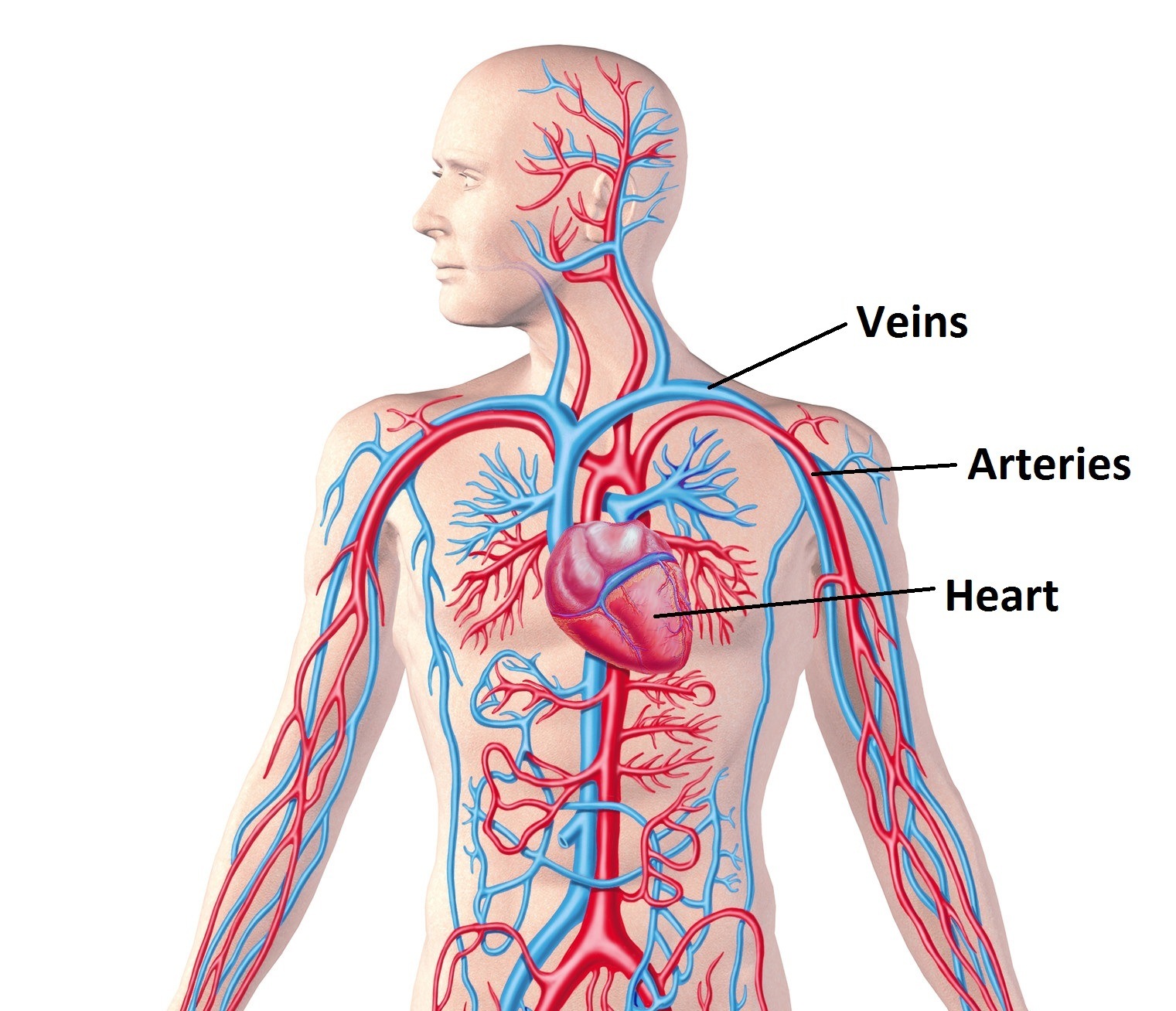
Which system allows blood to circulate throughout the body to transport oxygen and nutrients to all the cells and tissues?
Nervous
Respiratory
Circulatory
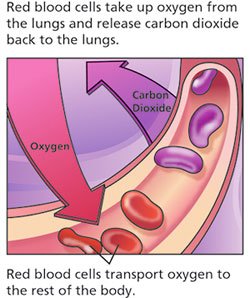
These cells, in the blood, carry oxygen and give the blood its color.
white blood cells
plasma
platelets
red blood cells
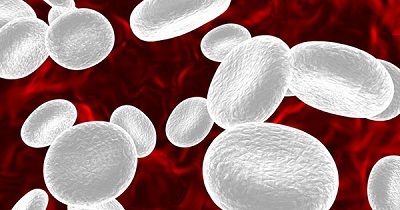
The cells in the blood that help fight germs like bacteria and viruses
red blood cells
platelets
white blood cells
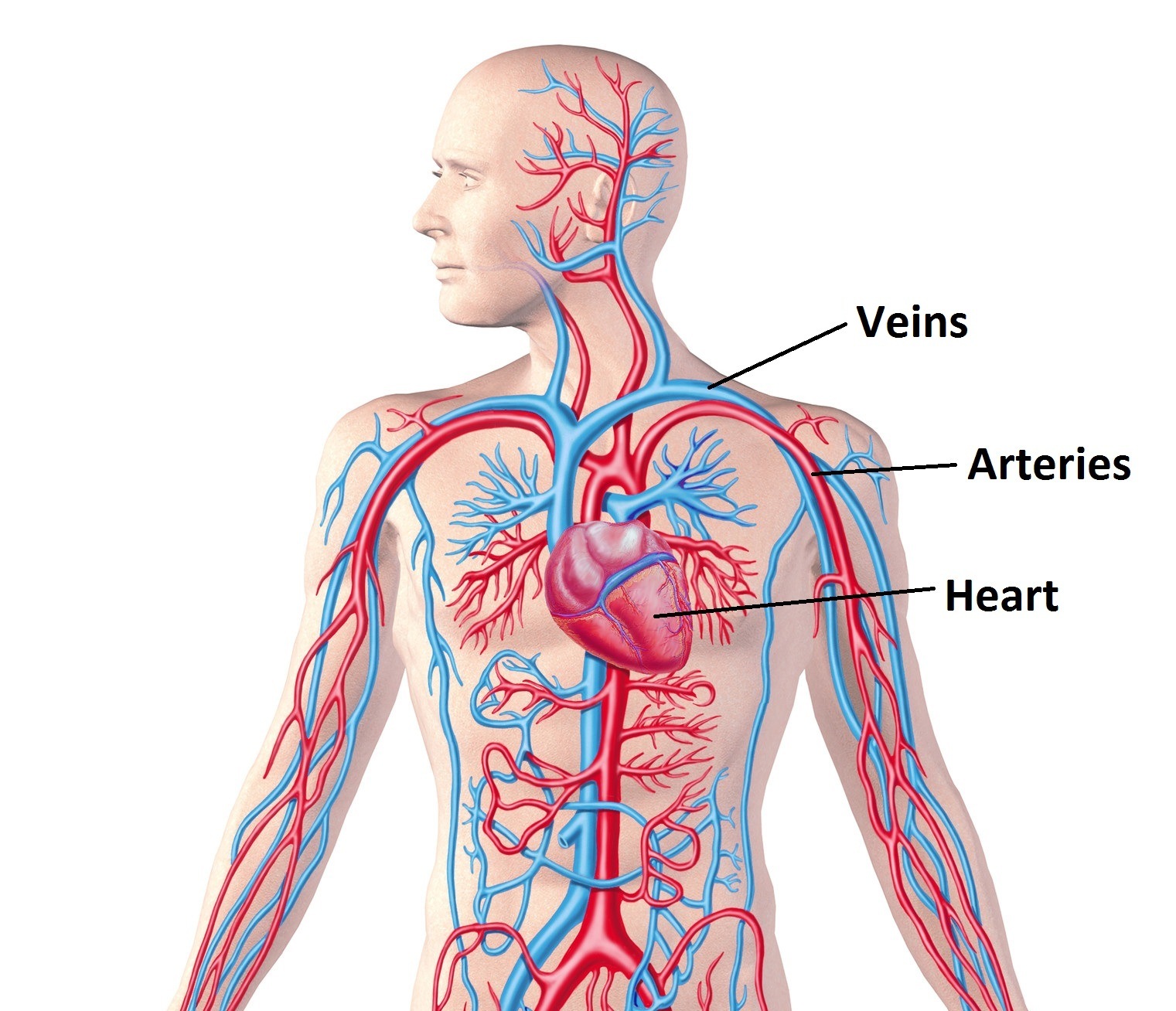
The circulatory system works with the __________ system to obtain energy from nutrients that we eat.
respiratory
digestive
skeletal
nervous
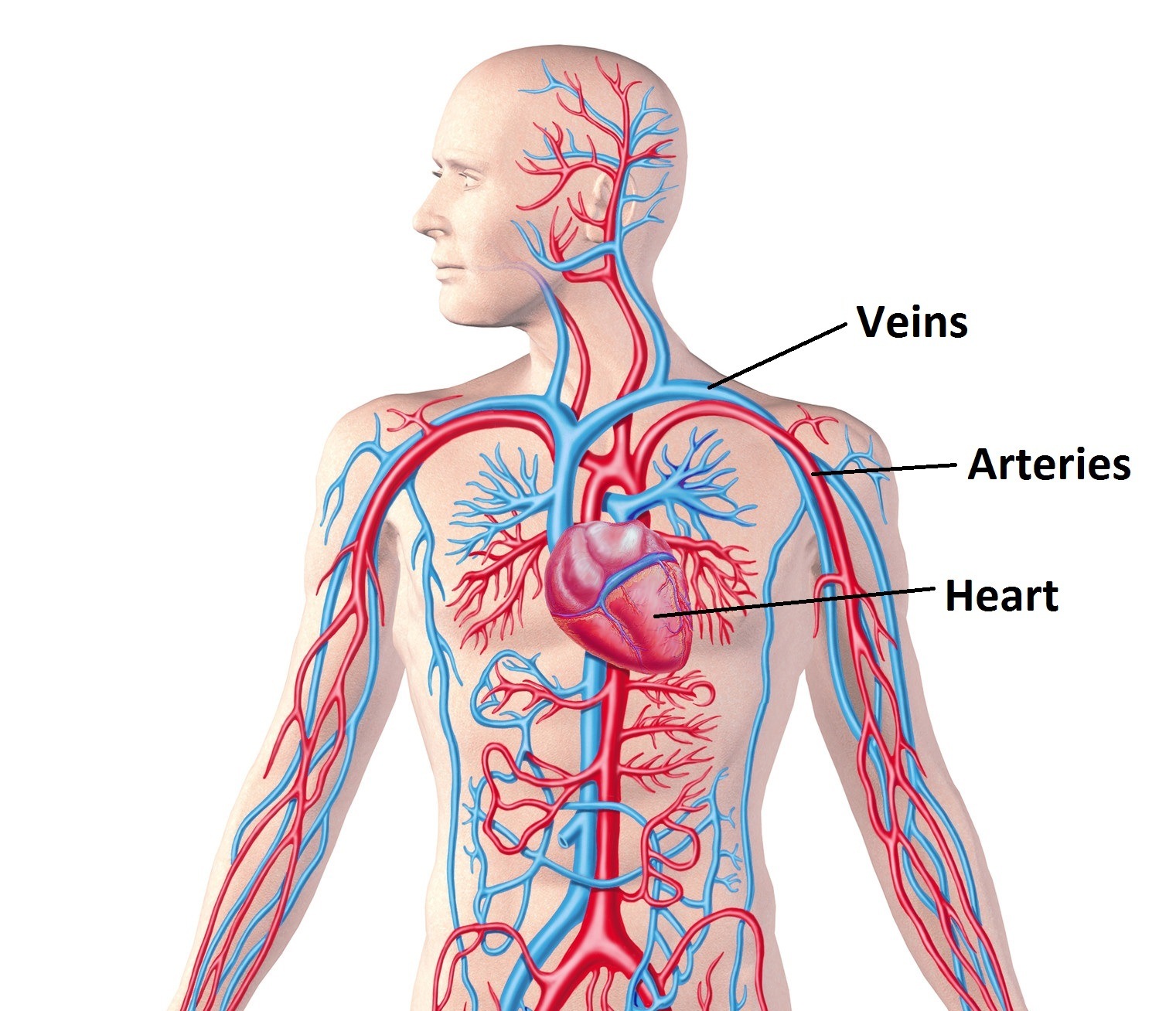
The circulatory system works with the ___________ system to provide our body with oxygen.
respiratory
digestive
muscular
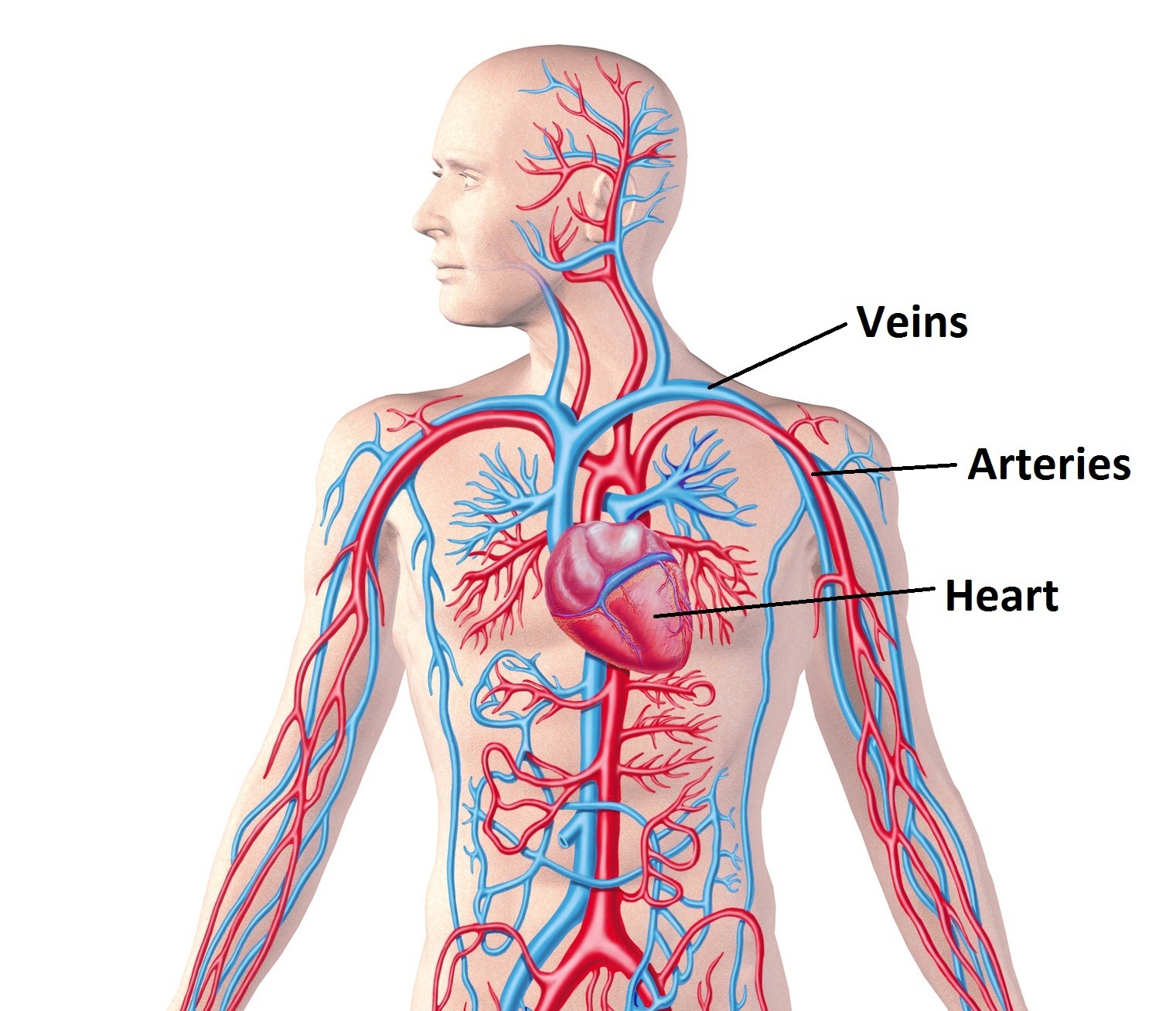
What is the circulatory system made up of?
Lungs, blood, blood vessels
Liver, kidneys, and stomach
Heart, Blood Vessels, and Blood
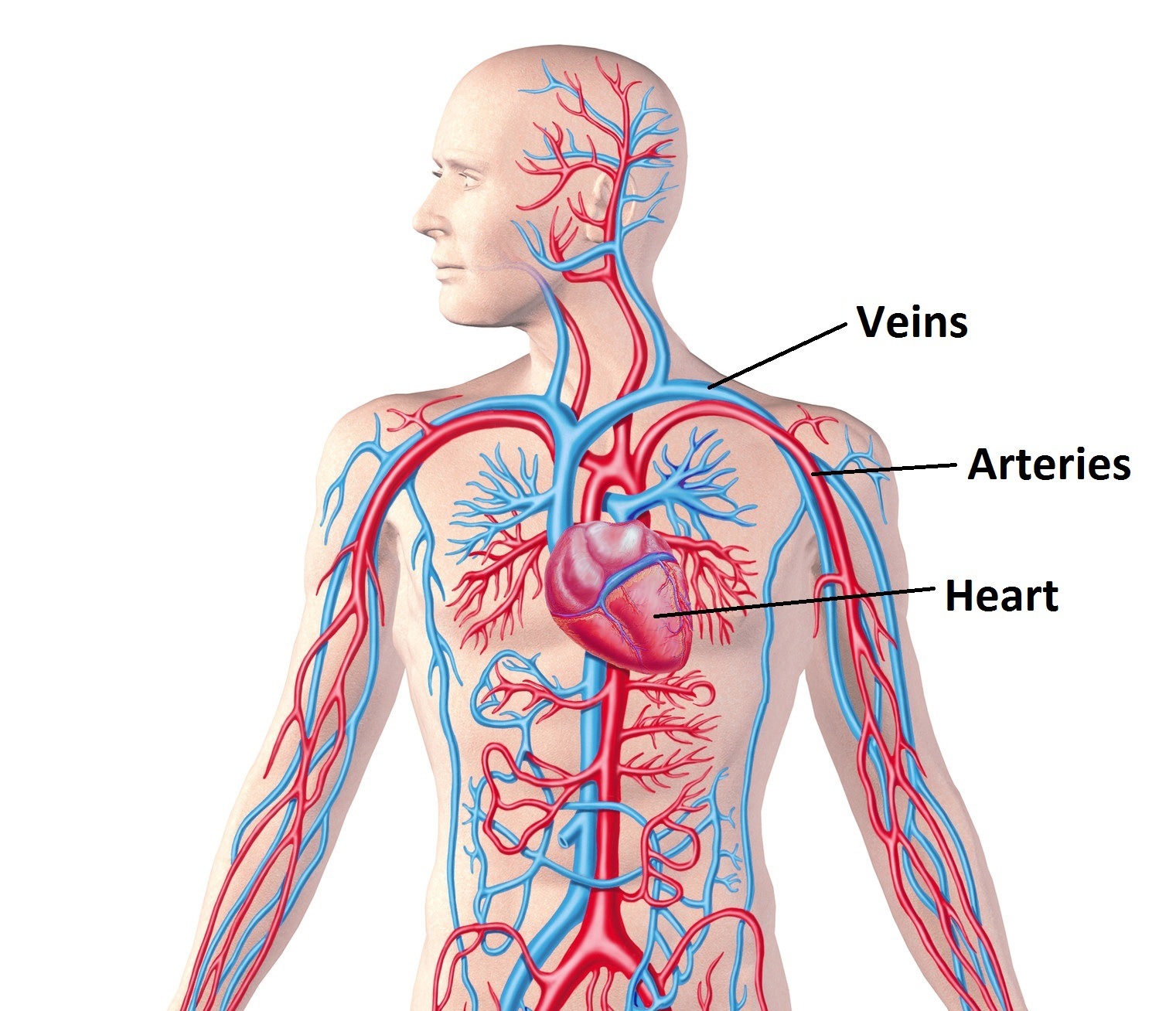
Which of the following does blood help transport throughout the body?
undigested food
Nutrients
Gases (oxygen and carbon dioxide)
hormones like adrenaline
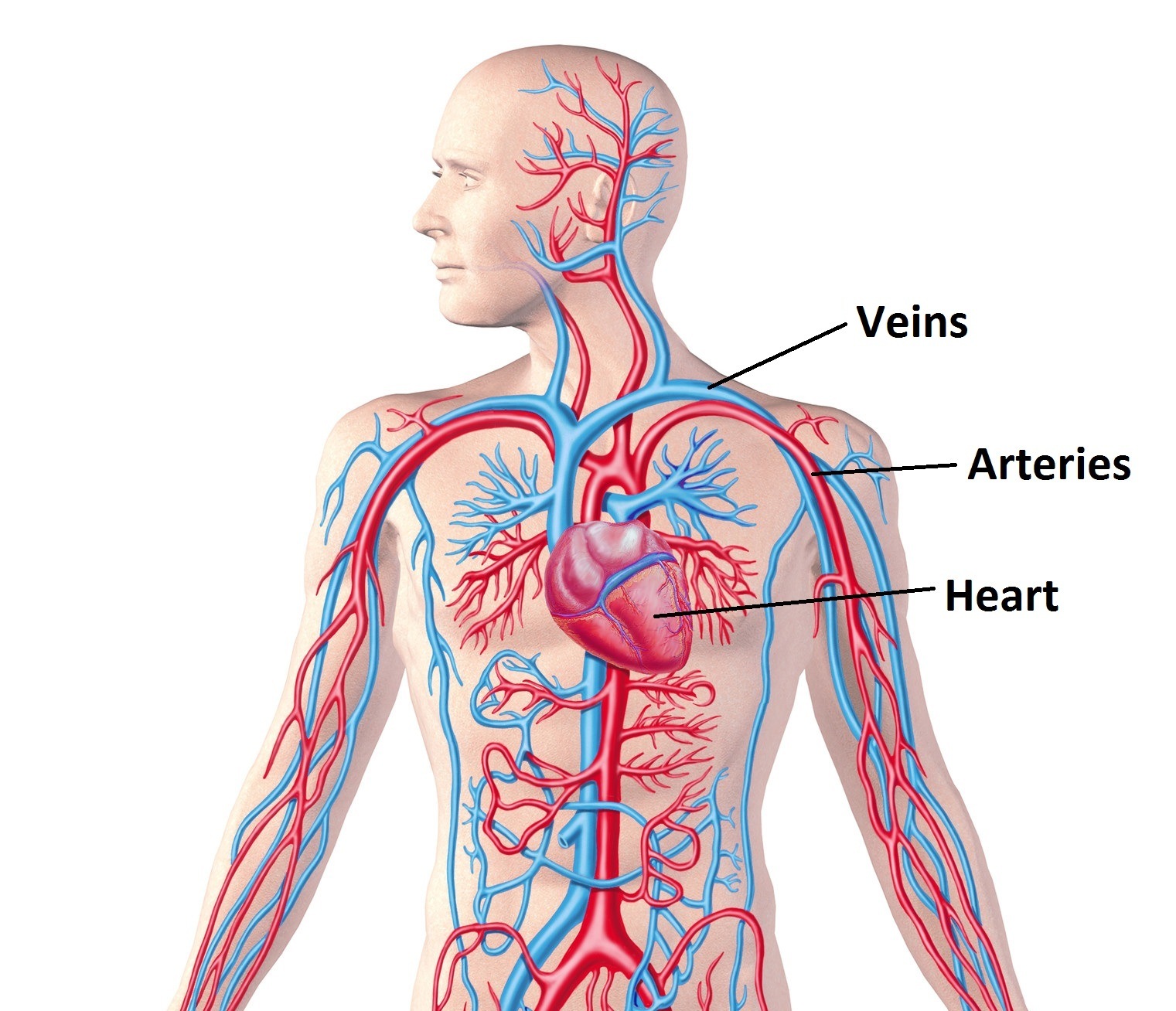
Which best explains how does the circulatory system helps the endocrine system
The circulatory system helps circulate the hormones that are made in the endocrine glands.
The circulatory system only circulates oxygen throughout the body.
The circulatory system circulates nutrients from digested food.

Choose the 3 TRUE statements about the circulatory system
The circulatory system and the respiratory system work together to deliver oxygen to all of the cells and tissues in the body.
The circulatory system and the respiratory system work together to remove CO2 and other waste products from cells and tissues in the body.
The circulatory system, respiratory system, and excretory system all work together to remove waste products from the body.
The circulatory system is a special system that does not work with other systems of the body.
enzymes
In sweet tea the solvent would be
water
tea
sugar
lemon


Examples of a producer
frog
grass
worm
mouse

Organisms that eat plants only.
Omnivores
Herbivores
Carnivores
Animals

Energy is passed along the organisms in a food chain. What is the original source of the energy?
decomposers
consumers
producers
sun

The way energy is passed from one organism to another
food chain
energy
extinct
habitat

Organisms that eat animals only.
Herbivores
Insects
Omnivores
Carnivores

Organisms that eat both plants and animals.
Producers
Consumers
Carnivores
Omnivores

Where do we get our energy?
from the food we eat
from the tree
from the gym
from the computer


What is the habitat shown in the picture?
jungle
desert
arctic
ocean

Where can we find this animal?


What animals do we find in this habitat?


How do animals breathe underwater?
With their gills
With their fins
No animals can breathe underwater


Which of the following is not necessary for a habitat?
Sunlight
Air
Water
Electricity
Plants of a particular region or habitat are called?
Flora
Fauna
Fessel
Animals of a particular region are called?
Flora
Fauna
Fessel

