
 Worksheets
G5 Tri1 Review 2
Total questions: 84
Worksheet time: 1hrs 3mins
Muscles
Bone marrow


The skeletal system works with the ______________ to help your body move.
digestive system
circulatory system
respiratory system
muscular system
What does bone marrow make?
blood cells
cancer
bone cells
oxygen
The skull protects which organ?
heart
lungs
brain
stomach
What is a flexible connective tissue that is found in your nose and ears?
cartilage
scapula
patella
cranium
What are two examples of joints?
noose, lock
key, door
ball and socket, hinge
hinge, crow
the rubbery, flexible material that cushions bones and provides shape for some body part, including the nose and ears.
Skeleton
Cartilage
Bones
Skull
What do bones need to grow?
candy
water
green vegetables
calcium
Skeletal Muscles always work in _____
Which of the following uses voluntary muscles?
Digestion
Heart breathing
Raising your hand
Sneezing
Ms.Long took her science class to a buffet to test their digestion system. After eating one serving Melania became really full and want to eat more. She tried rubbing her belly to speed up the digestion process but it did not work. Melania rubbing her belly did not work because ____
food digestion is controlled and the muscles in the digestive tract are voluntary muscles.
food digestion is not a self-controlled activity and the muscles in the digestive tract are voluntary muscles.
food digestion is not a self-controlled activity and the muscles in the digestive tract are involuntary muscles.
Melania should have shaken her belly instead of rubbing it.
Muscles that you have no control over are called ___________ muscles.
Involuntary
Voluntary
Evolutionary
Revolutionary
Muscles are attached to the skeletal system to
Increase energy through the mitochondria.
Protect the lungs and heart.
To replace damaged muscle.
Allow the bones to move.
What are the three types of muscle tissues?
Skeletal, Red, White
Cardiac, Smooth, Skeletal
Red, White, Blue
Cardiac, Skeletal, Red
This muscle is found in the heart and never gets tired.
Cardiac
Smooth
Skeletal
Strong
Which is NOT a kind of muscle in the human body?
exoskeletal
smooth
skeletal
cardiac
I am a muscle attached to a bone. I am a voluntary muscle. What kind of muscle am I?
skeletal
smooth
cardiac
memory
What kind of muscle is found in the blood vessel wall?
cardiac
smooth
skeletal
memory
What type of muscle is found in the digestive tract?
Striped
A relaxing muscle pulls the bone it’s attached to
True
False
We breathe in carbon dioxide and breathe out oxygen
True
False

NUMBER 2:
lungs
pharynx
Trachea
alveoli

NUMBER 5:
Lungs
Trachea
Mouth
Alveoli

NUMBER 6:
Lungs
Trachea
Bronchi
Alveoli
Which are the main organs in the respiratory system?
Heart
Stomach
Lungs
Nose
The respiratory system takes in oxygen and gives out _____
Carbon dioxide
More oxygen
Air and nutrients
The trachea is a tube that divides into two smaller tubes called _____
Bronchi
Nostrils
Lungs
The air gets into the lungs through the bronchioles. Bronchioles end in little sacs called...
Alveoli
Bronchioles
Bronchi
Lungs
NUMBER 4:
Lungs
Trachea
Bronchioles
Alveoli
What is the 1st step in the Respiratory system
mouth
nose
mouth & nose
the eye
The tubes that lead into each lung
trachea
bronchi
bronchioles
air sacs

Inside the lungs there are lots of little sacks called (a)
Here, oxygen passes into the blood and carbon dioxide leaves the blood.
Your lungs are ___________ air
My lungs are __________________ air.
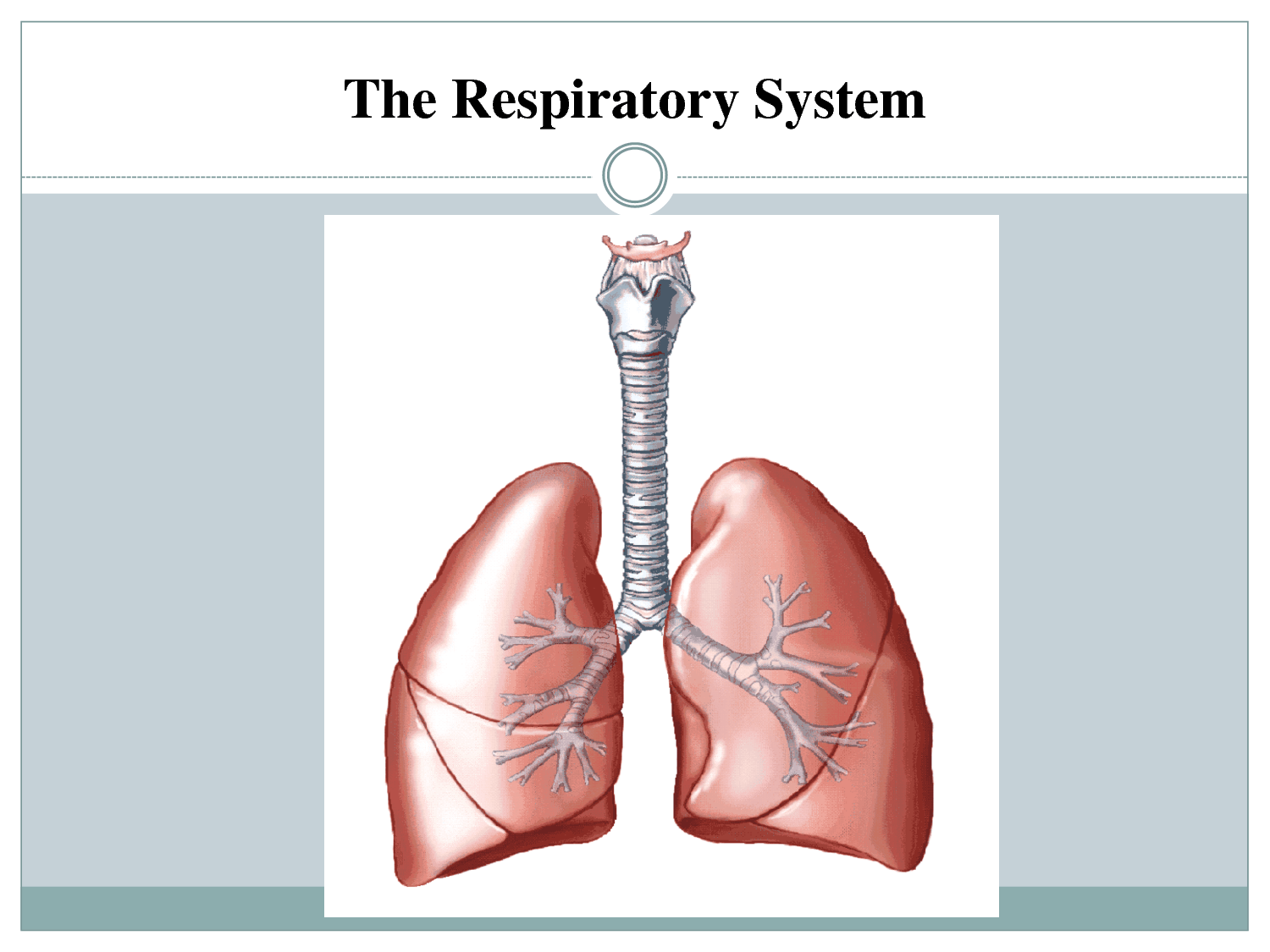
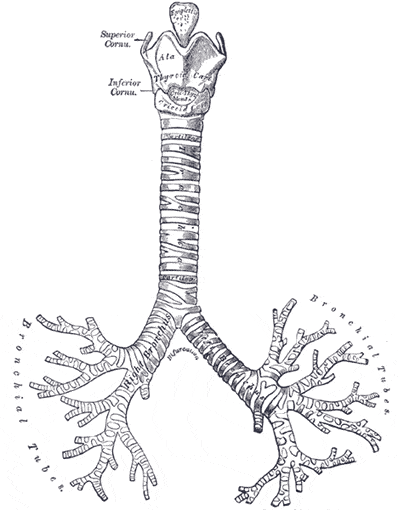
A place to exchange oxygen and carbon dioxide is ....
bronchus
alveoli
lung
bronchi
After air enters through nose or mouth, it continues downward. The _____ directs the air into 2 separate tubes called bronchi
Given the following structures: 1. Bronchi 2. Nose 3. Bronchioles 4. trachea Which of the following is the correct order that air would flow during inhalation.
2,4,1,3
Oxygen moves from
Trachea to lung
Alveoli to blood vessel
Blood vessel to alveoli
Lung to trachea
Carbon dioxide moves from ________ to alveoli
trachea
lung
blood vessel
bronchi

Name A
Trachea
Lung
Alveoli
Blood vessels (capillaries)
Name B
Trachea
Lung
Alveoli
Blood vessels (capillaries)
Oxygen moves from
A to B
B to A
Carbon dioxide moves from
A to B
B to A

Alveoli are surrounded by
(a)
What does your heart do?
pumps blood through your body
protects your body
helps your exercize
Blood is carried back to your heart in little tubes called ____________.
veins
arteries
hoses
Which describes all the parts of the circulatory system?
heart, lungs, stomach, muscles
heart, blood, blood vessels
bones, skin, hair
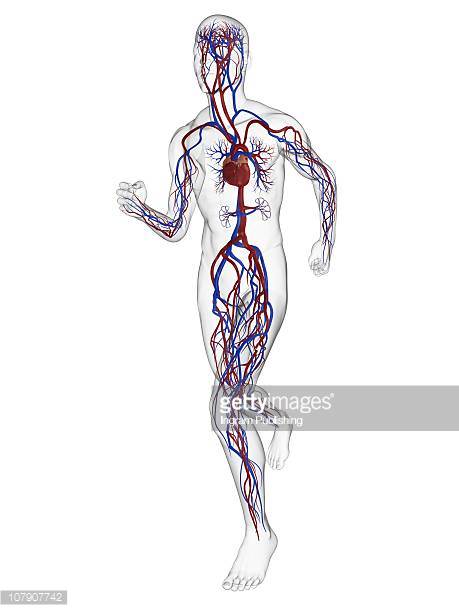
What is the main organ of the circulatory system?
small intestine
bone
lungs
heart
Veins carry blood poor in oxygen back to the heart.
False
True
Arteries carry blood rich in oxygen away from the heart.
True
False


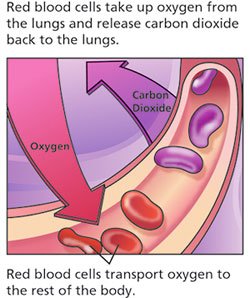
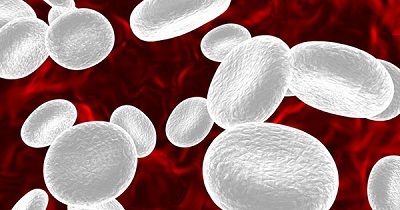
What part of blood is responsible for carrying Nutrients and blood cells through the body?

The cells in the blood that stop bleeding by making clots are the...
What is plasma?
The liquid part of the blood that carries all of the other blood cells around the body
The thing which makes blood red
The substance that comes out of a storm troopers blaster
The cells which take oxygen from the lungs
What are white blood cells
They are the same a red blood cells, but white
They fight off disease and infection
They carry food to your muscles
they activate when you do exercise
What are platelets?
Very small plates used by woodland creatures and fairies
The blood cells that form clots when you are cut to stop bleeding.
They make your blood thinner when you are out of breath
the take oxygen back to the heart

