
 Worksheets
G5 Tri1 Review
Total questions: 79
Worksheet time: 40mins
Check all that apply. The three parts of the cell theory are:
All living things are made from one or more cells.
Cells are the basic unit of structure and function of living things.
Cells are the largest living organism.
All cells come only from other living cells.
Which scientist created the first microscope?
Hooke
Leeuwenhoek
Schleiden
What is the smallest LIVING unit of LIVING THINGS?
a cell
a mitochondria
a brick
a protein
Plant and animal cells...
are different, because plant cells have two extra parts
are exactly the same
are the same, except that plant cells don't have a cell membrane
The cell membrane...
is like a wall that blocks everything from going into the cell
controls what can go into or out of a cell
is hard and rigid, and gives the cell its shape, like an exoskeleton
Which part of the cell CONTROLS everything that happens in the cell?
mitochondria
nucleus
cell membrane
vacuole
Which part of the cell STORES water and minerals?
mitochondria
nucleus
cell membrane
vacuole
Where do cells come from?
They come from eggs.
They come from minerals in water.
They come from other cells.
How do cells reproduce?
They lay eggs.
One cell divides to make 2 cells (etc.)
Two cells combine and then make 4 cells.
Which part of the cell is a watery, jelly-like substance?
cytoplasm
nucleus
vacuole
cell wall
Which parts do ONLY plant cells have? (Animal cells don't have them!)
vacuoles and mitochondria
nucleus and chloroplasts
chloroplasts and cell membrane
cell wall and chloroplasts
In PLANT cells, which part is the rigid outer layer that supports and protects the cell?
cell membrane
cell wall
chloroplast
nucleus
Chloroplasts...
are where plant cells do photosynthesis and make food
are where plant cells produce energy
are where both plant and animal cells make food (photosynthesis)
Which cell part produces energy?
mitochondria
nucleus
vacuole
cytoplasm
Chloroplasts...
are NOT in animal cells
are always in animal cells
are sometimes in animal cells, and sometimes in plant cells
Which thing is NOT made of cells?
A dog
A carrot
A piece of candy
A piece of wood from a tree
True or false: ALL living things are made of cells.
True
False: Some living things are made of cells, and others aren't.
What instrument do you need to use to see cells?
A microscope
A telescope
A periscope

Which statement was NOT included in cell theory?
All living things are composed of cells.
Living cells come only from other living cells.
Each cell contains a cell membrane, cytoplasm, nucleus, mitochondria, and endoplasmic reticulum.
Cells are the smallest structure of living things that can perform the functions necessary for life.
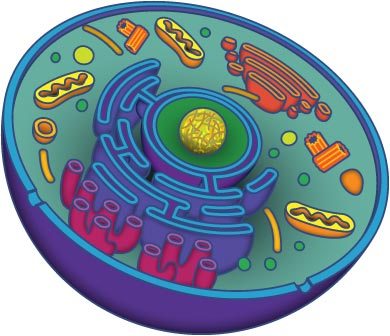
All living things are made up of...
cells
tissues
organ
organ systems
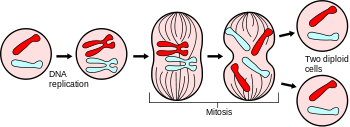


All living things are made up of
Plant Cell
Animal Cell
Either plant or animal cells
known as the powerhoue of the cell
Repair of damaged cells

Organs that perform the same function in a multicellular organism is/are called a(n) _____________.
cells
tissues
organ system
organs

A group of tissues that perform a similar function is called a(n) ____________ . Examples include the heart, lungs, or stomach.
cell
tissue
organ
organ system
Which is an example of an organism?
a beetle
an eye
a heart
a shell

The ___________ is the basic unit of life.
organ
cell
atom
tissue
Organs that perform the same function in a multicellular organism is/are called a(n) _____________.
cells
tissues
organ system
organs
A group of tissues that perform a similar function is called a(n) ____________ . Examples include the heart, lungs, or stomach.
cell
tissue
organ
organ system

What is a group of cells that have similar functions? Examples include nervous, epithelial, muscle, and connective _________ .
cells
tissues
organs
atoms

When many organ systems work together it can form a multicellular ________________ .
organ
cell
organ system
organism
Which includes an order of organization of multicellular organisms from smallest to largest?
tissues, cells, organs, organ systems, organism
cell, tissue, organs, organ systems, organism
organism, cells, tissues, organ systems, organism
tissues, cells, organs, organ sytems, organism
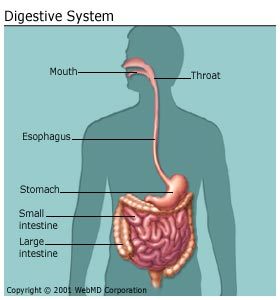
These organs working together are an example of a(n) ________________ .
organ system
cell
atom
tissue
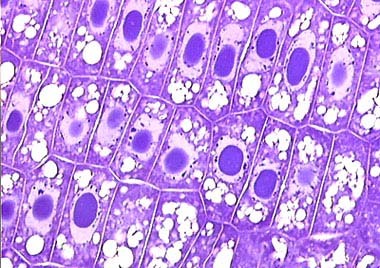
This group of cells performing similar functions is an example of a(n) ___________ .
cell
tissue
organ
organ system
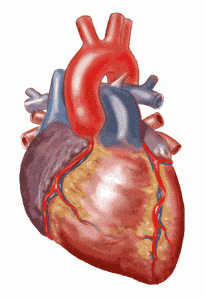
This group of tissues performing similar functions is an example of a(n) _____________ .
cell
organ system
organ
tissue
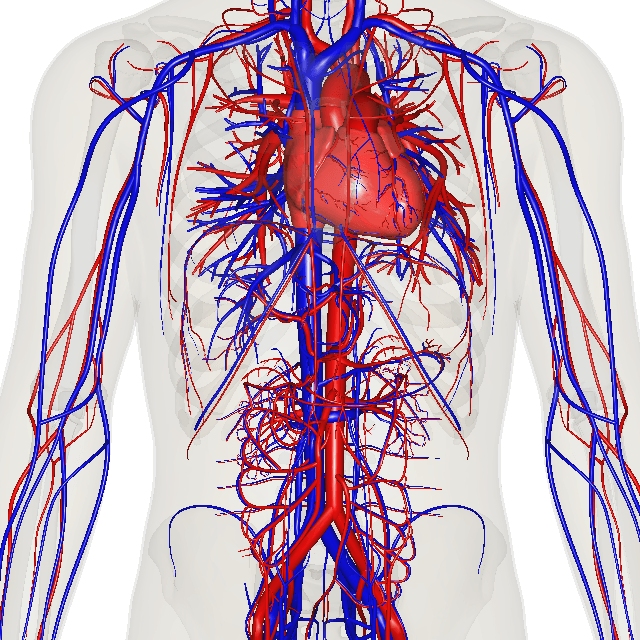
These organs circulate the organism's blood throughout it's body, transporting cellular waste, materials, and nutrients. What is this an example of?
an organ
an organ system
a tissue
a cell
Anything that can perform life processes by itself is a(n) ________________ .
atom
organ
organism
organelle
When many organ systems work together it can form a multicellular ________________ .
organ
cell
organ system
organism
Which includes an order of organization of multicellular organisms from smallest to largest?
tissues, cells, organs, organ systems, organism
cell, tissue, organs, organ systems, organism
organism, cells, tissues, organ systems, organism
tissues, cells, organs, organ sytems, organism
This group of cells performing similar functions is an example of a(n) ___________ .
cell
tissue
organ
organ system
Which of the below are examples of tissues - More than one answer!
Connective
Epithelial
Nervous
Heart
Muscle
Tell me where you would find epithelial tissue?
The brain is part of the ____________ tissue
Epithelial
Connective
Muscle
Nervous
The spinal cord is part of:
Peripheral nervous system
Central nervous system
What is the main function of the nervous system?
to inhale oxygen and exhale carbon dioxide
to break down food consumed by a person for nutrients
to control the body's activities by relaying messages
to control the body's movements
What are the two divisions of the nervous system?
Central and Lower nervous systems
Central and Peripheral nervous systems
Lower and Cerebral nervous systems
Central and Muscular nervous systems
What are the three parts of the nervous system?
brain, spinal cord, nerves
brain, lungs, spinal cord
heart, brain, nerves
brain, nerves, neurons
A nerve cell is called a:
neutron
nerve
neuron
synapse
What is a neuron?
a bone in your spinal cord
a blood vessel in your brain
a nerve cell
a stroke
What is the black part of the eye called?
Retina
Nerve
Pupil
Iris
What is the colored part of the eye called?
Iris
Optic Nerve
Cornea
Rods and Cones
Which sense organ helps you hear?
Eyes
Nose
Mouth
Ears


The main organ of the nervous system.
spinal cord
nerves
neuron
brain
Specialized structures which carry information between your body and the central nervous system
nerves
neuron
brain
vertebrae
Which is the correct order of in a reflex?
Sensory neuron, spinal cord, motor neuron
sensory neuron, spinal cord, brain, spinal cord, motor neuron
motor neuron, spinal cord, sensory neuron
What organ of the nervous system does not participate in reflex action?
Spinal Cord
Brain
Cerebrum
Heart

Our sense organs ................. information from our surroundings
receive
interprets

A decision to open the umbrella because it is raining, it is caused by .....
the nervous system
our senses organs
the musculoskeletal system

The.............carries messages from the tongue to the brain.
optic nerve
taste buds
receptors from the skin
auditory nerve
olfatory nerve
The.............carries messages from the nose to the brain.
optic nerve
taste buds
receptors from the skin
auditory nerve
olfatory nerve
The three main parts of the ear include in the outer, middle, and inner ear.
True
False
The top layer of the skin is called the ---
dermis
oil gland
subcutaneous fat
epidermis
What are the three main layers of the skin?
The epidermis, the dermis, and the hypodermis
The epidermis, the dermis, and the sebaceous glands
The dermis, the sebaceous glands , and the subcutaneous fat
The follicles, the dermis, and the epidermis
Which layer contains structures such as sweat glands, oil glands, and hair follicles?
epidermis
dermis
subcutaneous fat
hyperdermis
Sweating and shivering are your body's way of regulating its ---
Water loss
Temperature
Hair growth
Vitamin D absorption
The integumentary system is made up of the ---
Skin, Muscle, and Bone
Hair, Nails, and Sweat
Nails, Hair, and Skin
3 layers of tissue
The main function of the skin is to protect the organs inside the body.
TRUE
FALSE
It is the largest organ of the body.
Heart
Skin
Muscles
This layer contains sweat gland, oil glands, hair follicles, and blood vessels.
Epidermis
Dermis
Subcutaneous Tissue
It is the layer of fat below the dermis.
hypodermis
Sweat Glands
Oil Glands

