
 Worksheets
How Plants Reproduce?
Total questions: 51
Worksheet time: 35mins
What is the reproductive part of the plant is?
Stem
Root
Flower
Leaf
Some plants reproduce using parts of themselves
True
False

If we plant a potato, a new plant grows
True
False
Potatoes, onions and strawberries
Sexual reproduction
Asexual reproduction
Germination is _________________________________.
when a seed starts to grow
when an egg and pollen join together
when pollen moves stamen to stigma
when a plant makes its own food.
A seed needs __________, __________ and a __________ to germinate.
soil, water, air
suitable temperature, water, sunlight
air, water, suitable temperature
water, air, sunlight
Where does the seed get its energy from?
Food stored in the roots.
Energy from the sun.
Root coat and seed coat.
Food stored in its seed leaves.
The roots of this plant can give rise to a new baby plant.
Bryophyllum
Sweet potato
Sugarcane
The leaves of this plant produces buds in their margin which grows into a new plant.
Sugarcane
Lotus
Bryophyllum
Tulsi
Stem cutting is a common method of artificial vegetative propagation in which plant?
Rose
mango
Blueberry
Apple
The stage of the life cycle when a seed sprouts into a tiny plant is called what?
sprouting
seedling
germination
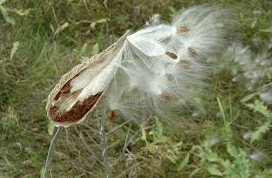
The picture depicts seed dispersal by which agent:
water
volcanic eruptions
wind
animals droppings

Why is it important for seeds to be able to scatter?
*CHOOSE ALL THAT ARE CORRECT!*
so they can grow in a new area that may better sunlight
so they can grow in a new area that may have more water
so they can grow in a new area with more nutrients
so that animals and insects can eat them
Vegetative propagation:
new plant produced from seeds
new plant produced from stems roots or leaves
new plant produced from flower
new plant produced by fruits
__________is an example of vegetative propagation by roots.
potato
tomato
Radish
Onion
Ginger is an example of vegetative propagation by:
Leaves
stems
roots
buds

Identify the plant and its means of vegetative propagation:
Kalanchoe, by leave
Bryophyllum, by leaves
potato ,by stem
tomato,by seeds
Seed is an example of:
sexual reproduction
fruit
asexual reproduction
vegetative propagation
Which of the following plants reproduce through seed?


What is the way of reproduction shown in the picture above?
Underground stem
Sucker
Leaf
Stem cutting
Certain plants reproduce through various ways of reproduction. TRUE or FALSE?
TRUE
FALSE
which of these reproduces asexually? (tick all that apply)


potatoes, snowdrops, daffodils are all plants that use asexual reproduction
True
False
What sometimes happens when birds eat fruit?
The seeds pop out and hit the birds.
The birds drop the seeds.
The birds grow seeds in their feathers.
The birds cannot fly.
Before there can be a fruit - there has to be a flower
True
False
Which of these is NOT a function of the roots?
anchors the plant in the soil
absorbs water from the ground
support the plant in the soil
capture sunlight

It is the spreading of seeds to other places.
germination
habitat
seed dispersal

How are dandelion seeds dispersed?
by animals
by explosion or bursting
by wind

How are coconuts dispersed?
by animals
by water
by wind
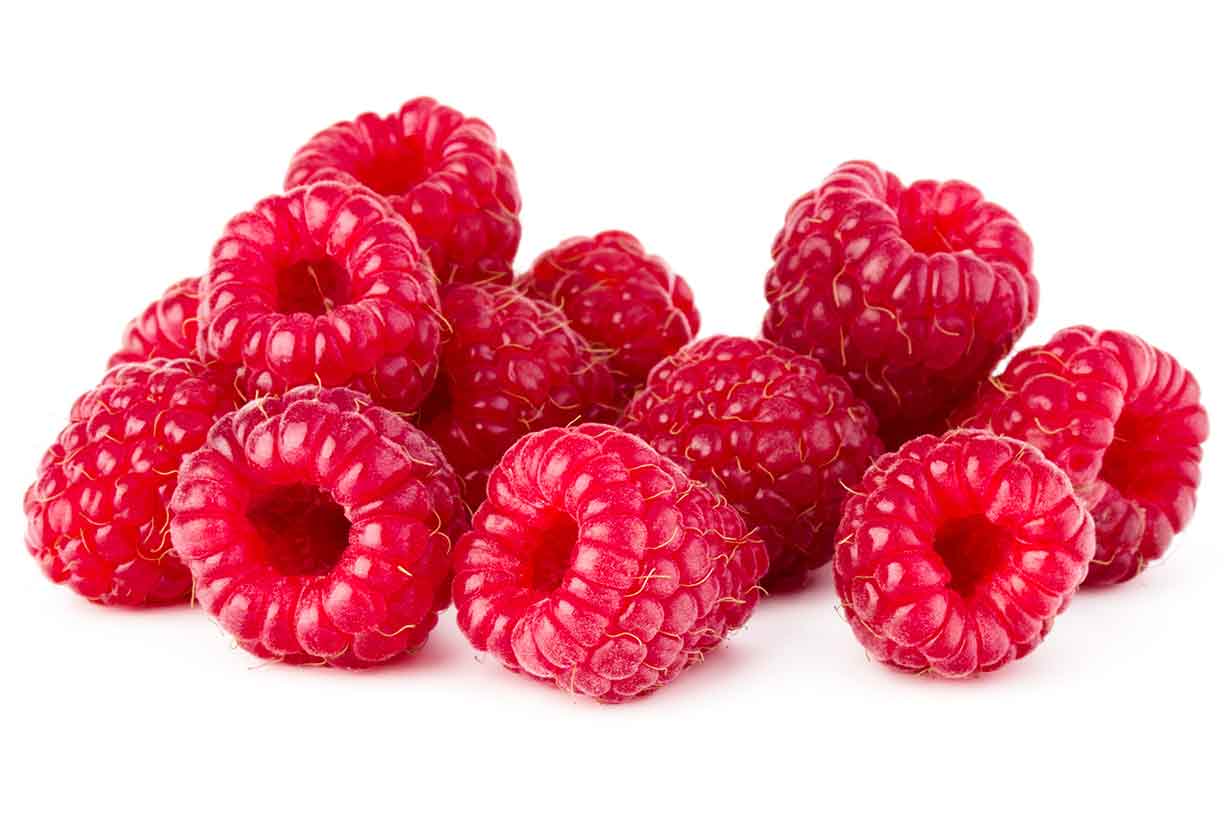
How are raspberries dispersed?
by animals
by explosion or bursting
by water
Why it is better for seeds to be scattered far and wide?
To provide shelter to other animals.
For farmers to see which soil is good for the plants.
For plants to have a better chance of growing healthier.

Name of the process:
Seeds are transported by animals, wind or water
Pollination
Dispersion
Germination
Fertilisation

Name of the process:
A seed reaches the ground and a new plant grows
Pollination
Fertilisation
Dispersion
Germination
How are seeds transported?
Animals
Wind
Water
Oxygen
All plants have flowers
True
False
Some plants reproduce using parts of themselves
True
False
Plants with flowers
Sexual reproduction
Asexual reproduction
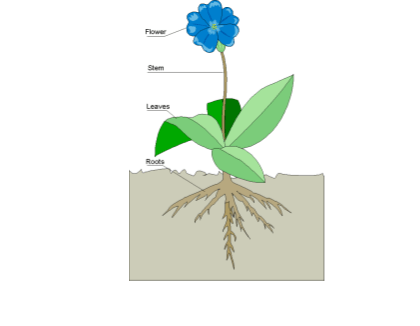
Qns: Explain why plants need to disperse their seeds?
Ans: The plants need to disperse their seeds to prevent overcrowding, competition of space , _____(i)____, ___(ii)____ and _____(iii)_____ so that they can grow well.
What are the words in the blanks?
sunlight; air; water
nutrients; oxygen; water
sunlight; water; nutrients
water; nutrients; air
warmth; oxygen; water
The process by which an animal or a plant is able to produce one of its own kind is called__________
Reproduction
Adaptation
Solidification
Which of the following
is an example of sexual
reproduction?
cloning
budding
seed production
vegetative propagation
process by which living things produce more organisms of the same type through the transfer of genetic material
reproduction
traits
joining of the female and male sex cells
egg
Which of them are fruit ?
potato and cucumber
tomato and cucumber
lettuce and potato
spinach and chilli

