
 Worksheets
physics revew M.Noor
Total questions: 94
Worksheet time: 5hrs 52mins
Specific latent heat is the amount of energy required to change the state of 1 kg of a substance without changing its (a) .
Select the state changes that latent heat of fusion applies to.
melting
evaporating
freezing
condensing
sublimation
Select the state changes that latent heat of vaporisation applies to.
melting
evaporating
freezing
condensing
sublimation
Select the correct equations.
thermal energy = specific latent heat / mass
thermal energy = specific latent heat x mass
mass = specific latent heat / thermal energy
specific latent heat = thermal energy / mass
mass = specific latent heat x thermal energy
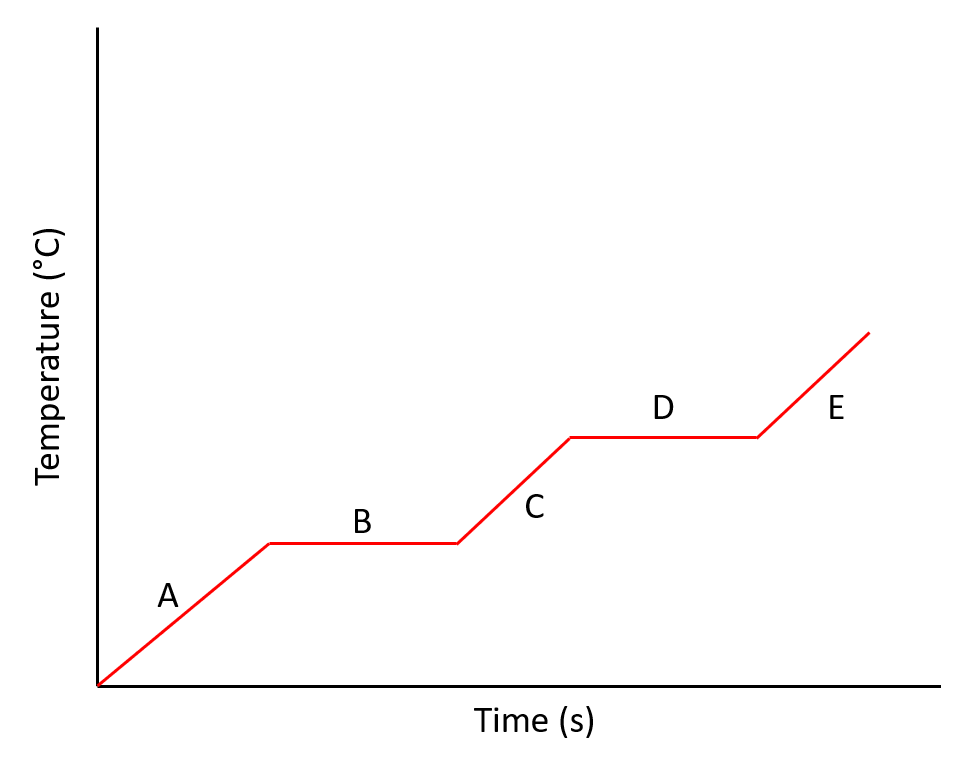
The diagram shows a heating curve for ice. Which line represents the ice melting?
A
B
C
D
E
Why are lines B and D flat?
The ice is melting
The ice is freezing
All of the thermal energy is used to break the bonds
They stopped the stopwatch
They stopped heating the ice.
The diagram shows a heating curve for ice. Which line represents the ice in a liquid state (water)?
A
B
C
D
E

The diagram shows a cooling curve for ice. Which line represents the ice in a liquid state (water)?
A
B
C
D
E
The diagram shows a cooling curve for ice. Which line represents the ice freezing?
A
B
C
D
E
The diagram shows a cooling curve for ice. Which line represents the ice in a solid form?
A
B
C
D
E
Which one of the following quantities is equivalent to 1 W?
1 V/A
1 Ω • m
1 V • A
1 V/Ω
What potential difference is required across an 8.0-Ω resistor to cause 2.0 A to flow through it?
4.0 V
16 V
8.0 V
32 V
A 200-W light bulb is connected across a 100-V dc power supply. What current will flow through this bulb?
0.90 A
0.36 A
0.60 A
2.0 A
A light bulb operating at a dc voltage of 100 V has a resistance of 200 Ω. How much power is dissipated in this bulb?
100 W
60 W
50 W
200 W
When 5.00 A is flowing through an 10.0-Ω device, how much power is being dissipated in the device?
50.0 W
250 W
500 W
2.50 kW
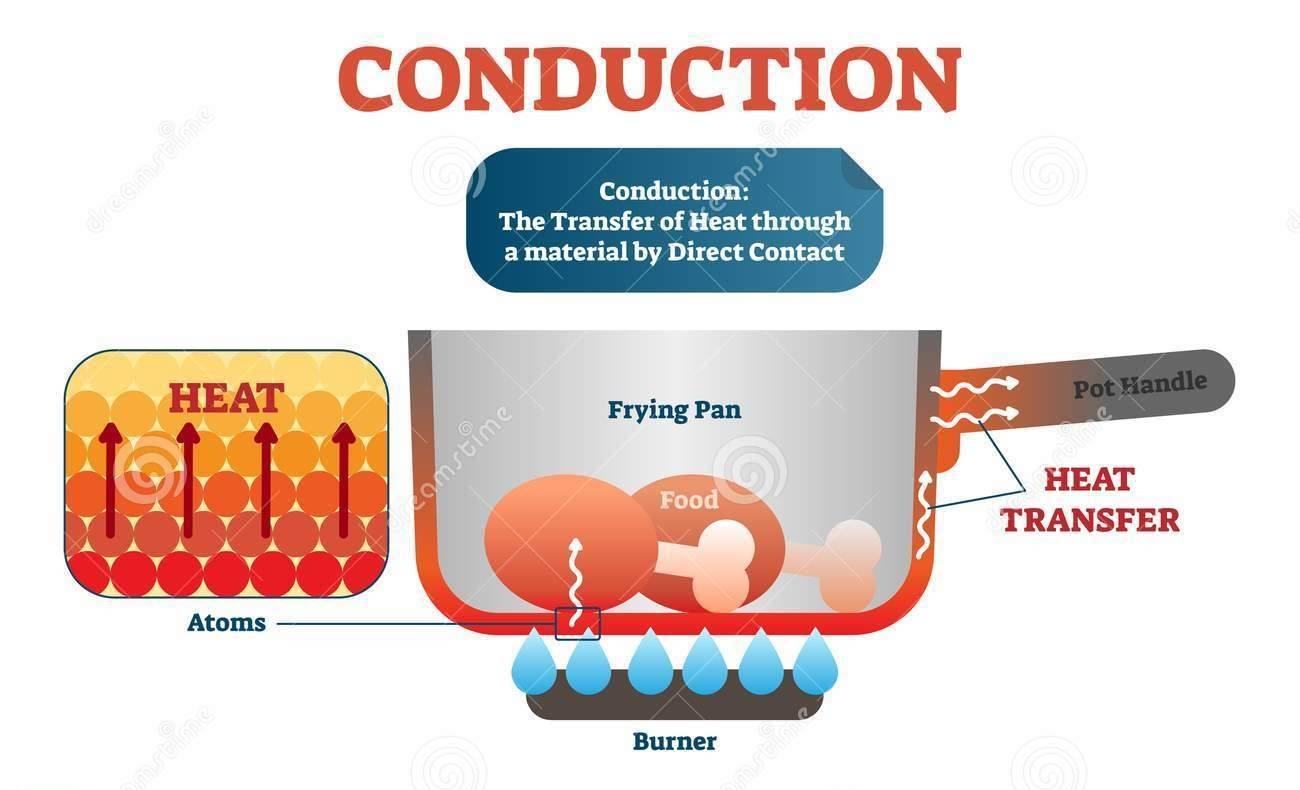
Which of the following is an example of heat transfer by Conduction?
Burning your fingers on a hot iron.
Heat from a heater warming up your whole house
Standing by a campfire and feeling the heat.
All of the above.
What is Radiation?
When heat is passed from particle to particle through an object.
When particles get heated, expand, and become less dense.
When heat transfers by waves through empty space.
What is Convection?
When heat is passed from particle to particle through an object.
When particles get heated, expand, and become less dense.
When heat transfers by waves through empty space.
What is Conduction?
When heat is passed from particle to particle through an object.
When particles get heated, expand, and become less dense.
When heat transfers by waves through empty space.
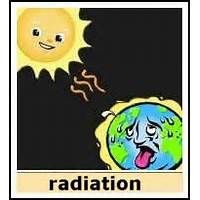
Which of the following is an example of heat transfer by Radiation?
Burning your fingers on a hot iron.
Heat from a heater warming up your whole house
Standing by a campfire and feeling the heat.
All of the above.
How does heat move?
From cooler objects to warmer objects.
From warmer objects to cooler objects
From metal objects to nonmetal objects
Very quickly in all directions
Find the diagram showing how temperature is related to the kinetic energy of particles in a material.


It does not exist.

Which image represents conduction?


Which image represents radiation?


Which picture best represents thermal equilibrium?


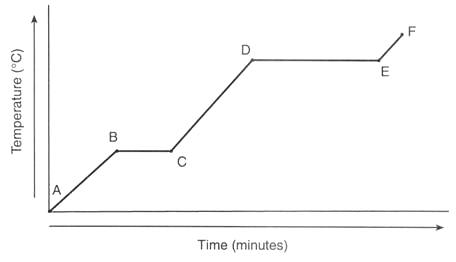
Between which points is the temperature of the substance remaining constant (thermal equilibrium)?
A-B only.
A-B, C-D, E-F
B-C only.
B-C, D-E

The amount of energy required to raise the temperature 1ºC for every kilogram is called____?
Heat Energy
Specific Heat
Temperature
Kinetic Energy
What is the symbol for Specific Heat
q
t
m
c
What is the equation to measure change in Heat Energy?
q=mc∆t
q=mc
q= ∆mct
m=qCc
The specific heat of platinum is 0.133 J/g°C. How much heat(q) is released when a 10 g piece of platinum cools from 100°C to 50°C?
66.5 J
665 J
0.0266 J
0.665 J
Which of the following equations is an equation for power, involving current and resistance?
P= I/V
P = IR
P = IVR2
P = I2R
Which of the following is an equation for power, involving voltage and resistance?
P = V/R
P = V2/R
P = VR
P = V2R2
The unit of electrical power is ...
the watt
el watio
the wat
el vatio

What is the unit of electrical power?
watt, W
volt, V
ampere, A
ohm, Ω

Remember: I=P/V

Remember: I=V/R and P=VI
Which wire has more resistance (long or short)?


True or False: All materials have the same amount of resistance
True
False
The unit of resistivity is
Ω/m
Ω/m2
Ω.m
Ω.m2
What happens to the resistance when the temperature is increased?
Increases
decreases
stay the same
vary randomly
What are the factors affecting resistance ?
length
Area of cross section
nature of the material
All of the above
Unit of resistance is ?
volts
ohms
Amperes
Coulombs
When the area of cross-section of the wire is doubled, keeping the length same, its resistance will ?
Doubled
Halved
Subtracted by 2
Added by 2
(I X R)
Voltage divided by Resistance
(V / R)
Current
Power
Ohms
Watts
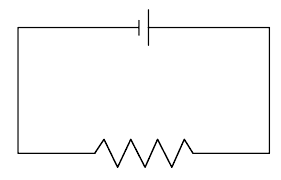

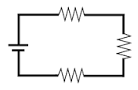

An alarm clock draws 0.5 A of current when connected to a 120 volt circuit. Calculate its resistance.
60Ω
120Ω
180Ω
240Ω

Speakers need a household voltage of 110 V to push a current of 5.5 A through them. What is the
resistance of the speakers?
10Ω
20Ω
30Ω
40Ω
A current of 0.5 A flows in a circuit. Calculate the charge flowing through the circuit in one minute.
0.5 C
30 C
120 C

A large lightning bolt can carry up to 120000 A and 350 C. Calculate the time for which the current flows.
2.92 s
0.0092 s
2.92×10⁻³ min
2.92×10⁻³ s
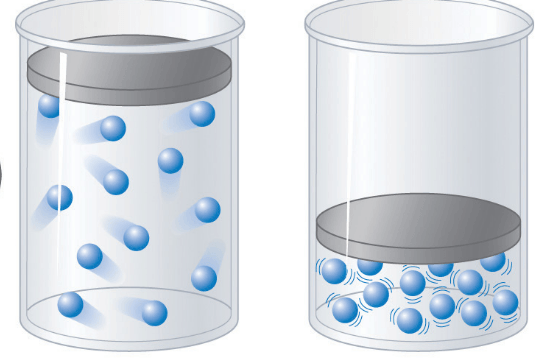
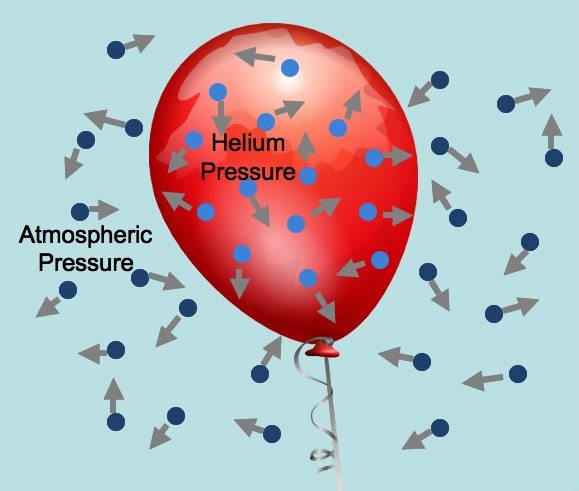
A student measures the pressure and volume of an empty water bottle to be 1.4 atm and 2.3 L. She then decreases the pressure to 0.65 atm. What is the new volume?
2.1 L
5.0 L
8.2 L
3.9 L
What is the pressure of a car tire that had an initial pressure of 1.8 atm but was heated from 38°C to 123°C?
0.9 atm
2.1 atm
1.6 atm
3.4 atm

