
Font size
 Worksheets
Fall Semester Test Review
Total questions: 62
Worksheet time: 1hrs 2mins
The mass number of an element gives us which of the following:
Protons + Neutrons
Protons + Electrons
Electrons + Neutrons
Jimmy + Neutron
What is the BEST way to find the number of neutrons in an atom?
Look at the atomic structure
It is the same as the number of electrons
Subtract the atomic number from the mass number
Neutrons are not real
If an atom loses an electron, it will have a _ charge. Whereas if an atom gains an electron, it will have a _ charge.
+1; -1
-1; +1
+1; 0
0; -1
Elements of the periodic table are arranged by their _ which is their number of _
atomic number, protons and neutrons
atomic number, protons
mass number, protons and neutrons
mass number, protons

Each vertical column on the periodic table is called a...
group
tower
period
crew
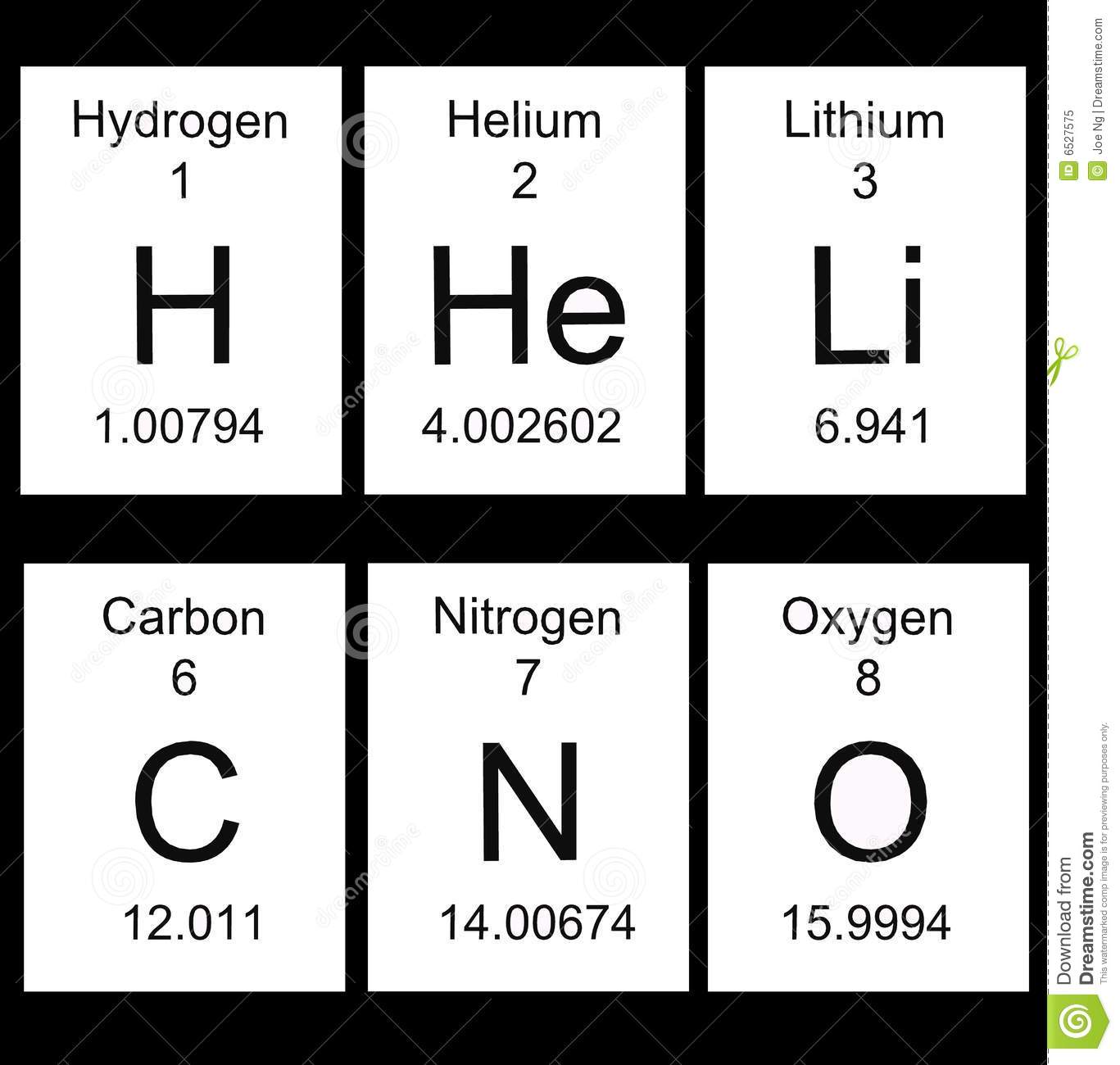
In each square of the periodic table, the number at the bottom is the:
atomic number
atomic mass
chemical symbol
element name

The teal elements above the stair step line including boron, silicon, and germanium that are often used as semiconductors are called
metalloids
transition metals
alkaline earth metals
none of these
As you move down the periodic table, which is/are true? (select all that apply)
atoms get smaller
atoms have fewer protons and electrons
atoms get larger
atoms have larger atomic numbers
The red elements shown on this periodic table are called
metalloids
transition metals
alkaline earth metals
alkali metals
The orange elements shown on this periodic table are called
metalloids
transition metals
alkaline earth metals
alkali metals
The light purple elements shown on this periodic table are highly reactive due to only needing 1 more electron to have a full outer shell and are called
metalloids
halogens
alkaline earth metals
noble gases
This major class of elements is lustrous, malleable, good conductors, ductile, and have high melting points.
metals
nonmetals

How many electrons does Si contain?
14
28
2
4

What is the electron configuration of chlorine? (click on the periodic table to make it larger)


What is the electron configuration of beryllium? (click on the periodic table to make it larger)


How many electrons do the first, second, and third energy shells hold?
2, 6, 6
2, 8, 8
8, 8, 8
none of these
The electrons in the outer shell that engage in bonding are called
valence electrons
octet electrons
external electrons
none of these
The octet rule states
most atoms need 8 electrons in their outer shell to have a full outer shell
most atoms need 10 electrons in their outer shell to be stable
most atoms need 6 electrons to be stable and not reactive

Based on this Lewis dot structure, how many valence electrons does fluorine have?
4
4.5
6
7
Where do elements have the least metallic properties - Where are the nonmetals on the Periodic Table?

Which has the greater Electronegativity: N or C? (you can click the picture to make it bigger)
Elements in the same group/column of the periodic table always have the same # of _______ as one another.
Energy levels/shells

potassium (K)
rubidium (Rb)
francium (Fr)
cesium (Cs)
Electron affinity increases...
up and right on the periodic table
down and right on the periodic table
up and left on the periodic table
Ionization energy increases...
up and right on the periodic table
down and right on the periodic table
up and left on the periodic table
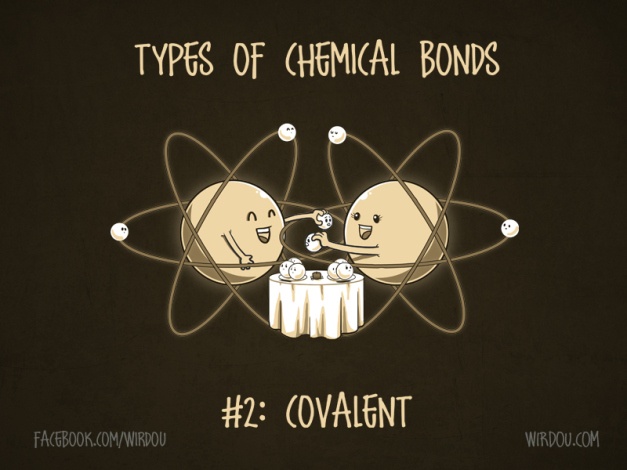
In chemical compounds, covalent bonds form when
the electronegativity difference between two atoms is very large.
electrons are completely transferred between two metals.
pairs of electrons are shared between atoms.
none of these
An ionic bond forms when
Valence electrons are shared equally
Valence electrons are transferred (or shared very very unequally) between atoms
Valence electrons are shared unequally
none of these

Predict the bond that will form between Be and F.
Ionic
Covalent
If there is an electronegativity difference between atoms less than 0.5, what type of bond will they form?
non-polar covalent
polar covalent
ionic
If there is an electronegativity difference between atoms that is greater than 1.7, what type of bond will they form?
non-polar covalent
polar covalent
ionic
The electronegativity difference between oxygen (3.44) and hydrogen (2.20) is 1.24. This means that the bonds between oxygen and hydrogen, such as those in water molecules, are...
nonpolar covalent bonds
polar covalent bonds
ionic bonds

Classify the following molecule. (electronegativity of N = 3 and of H = 2.1)
polar
nonpolar

Is the molecule overall polar or nonpolar? (electronegativity of O = 3.5 and H = 2.1)
Polar
Nonpolar
Which of these must be present in a molecule in order for the molecule to be polar?
It must have at least two different elements
It must have polar covalent bond(s) and a separation of charges
It must be asymmetrical so charges do not cancel out
All of these
A property that means a molecule has an unequal distribution of electrons due to electrons being pulled towards a more electronegative atom of the molecule
Solubility
Specific heat
Polarity
Nonpolarity
True or False: Water is a nonpolar molecule.
True
False
What property of water results in it requiring a lot of energy to change the temperature of water?
High specific heat
Electronegativity
Solubility
Surface tension

Water is the universal solvent, meaning it
Dissolves almost anything
Does not change temperature easily
Is less dense when it's in solid form
Does evaporative cooling
What causes water to have unique properties that make it important for life on earth such as cohesion and being less dense when it is in solid form?
Hydrogen bonding
Van der waals forces
Solubility
Tetrahedral shape

A water molecule is made of...
2 oxygen atoms and 1 hydrogen atom
1 oxygen atom and 2 hydrogen atoms
1 oxygen atom and 2 helium atoms
none of these
True or False: Water is more dense as a solid.
True
False
What property of water refers to water molecules being attracted to other water molecules?
cohesion
adhesion
solubility
universal solvent
True or False: Shorter bonds are stronger bonds with larger bond energy.
True
False

Which of these is the shortest bond?
single bond
double bond
triple bond
Which of these is the strongest bond?
single bond
double bond
triple bond
Which of these has the largest bond energy?
single bond
double bond
triple bond
A process in which atoms are rearranged when bonds are broken and reformed. The identity of the matter changes in the process.
chemical reaction
physical change
In an exothermic reaction, energy and heat are ...
taken in
given out
In an _ reaction, the products have stronger bonds on average, are more stable, and the system is releasing energy.
Endothermic
Exothermic
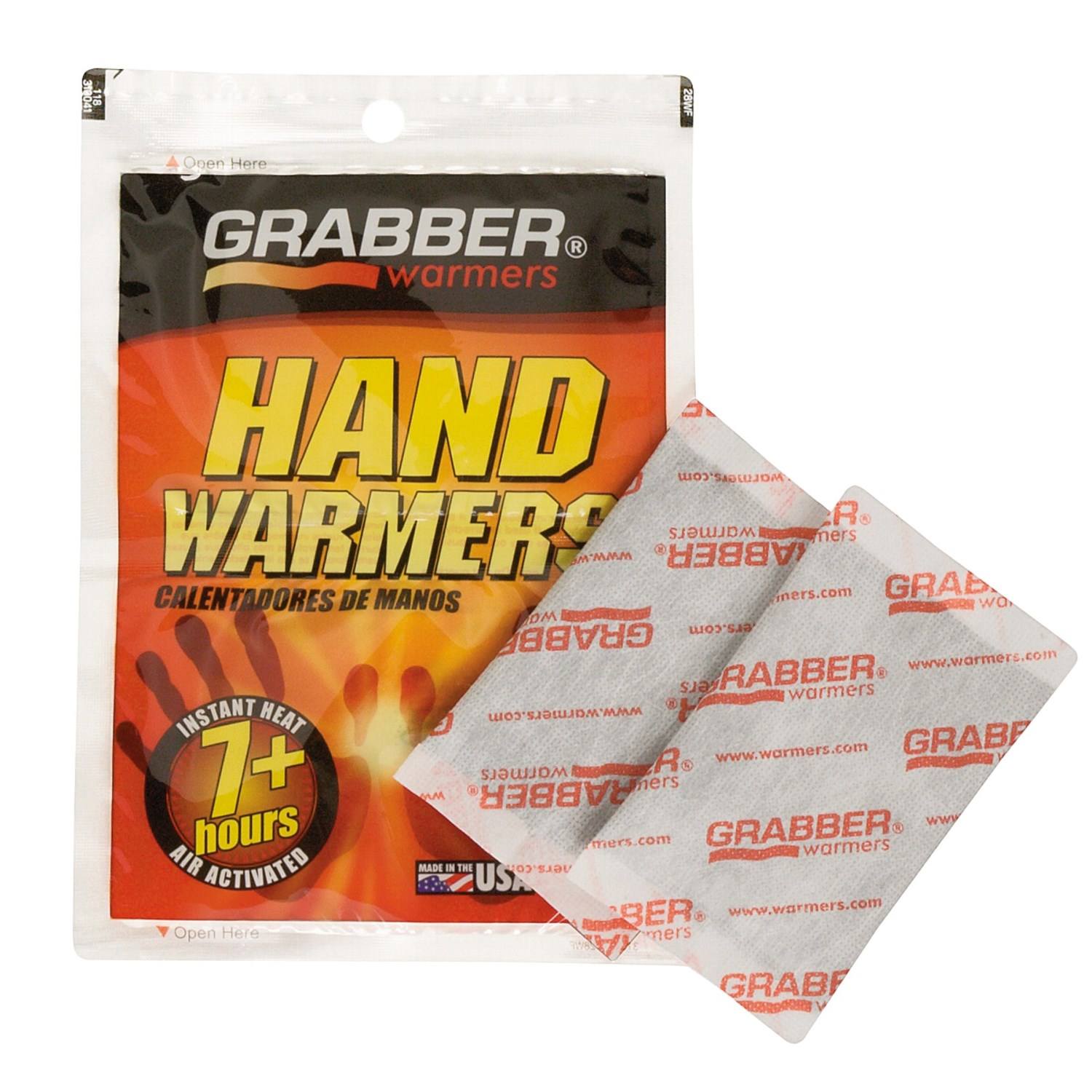
What type of reaction occurs in a hand warmer?
exothermic
endothermic
In an _ reaction, the products have weaker bonds on average, are less stable, and the system is taking in energy from the environment in order to make those products.
Endothermic
Exothermic
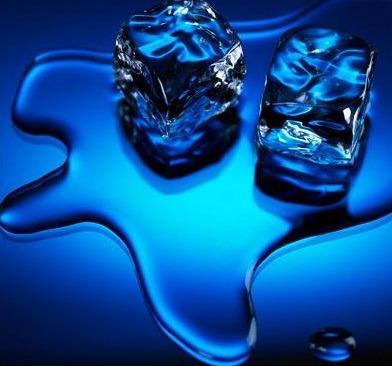
____ reactions usually feel cold.
endothermic
exothermic

What type of reaction involves the breaking down of a substance into simpler substances?
Single Displacement Reaction
Double Displacement Reaction
Synthesis Reaction
Decomposition Reaction

What type of reaction involves 2 substances combining to form 1 new compound?
Decomposition Reaction
Single Displacement Reaction
Double Displacement Reaction
Synthesis Reaction
What type of chemical reaction is this one?
Ca + MgCl2 --> CaCl2 + Mg
Decomposition
Combustion
Synthesis
Single Replacement
What type of chemical reaction is this one?
C2H2 + O2 --> CO2 + H2O
Decomposition
Combustion
Synthesis
Single Replacement
3KOH + H3PO4 --> K3PO4 + 3H2O
Combination
Decomposition
Single replacement
Double replacement

