Wayground logo

Free Printable Worksheets

Font size

S
M
L
XL
Worksheets

LE 1st Sem Final: Eco, Photo, CR, and more

Total questions: 45

Worksheet time: 1hrs 5mins

Name
Class
Date
1.

What is the purpose of cellular respiration?

a)

To make food

b)

to make energy in the form of ATP that the cell can use

c)

No purpose

d)

water

2.

What is the correct equation for cellular respiration?

a)

6O2 + C6H12O6 -> 6CO2 + 6H2O + ATP

b)

6O2 + C6H12O6 + ATP -> 6CO2 + 6H2O

c)

6CO2 + 6H2O -> 6O2 + C6H12O6 + ATP

d)

6CO2 + 6H2O + ATP -> 6O2 + C6H12O6

3.
Which organelle performs PHOTOSYNTHESIS?
a)
Chloroplast
b)
Mitochondria
4.

Which of the following is the correct equation for PHOTOSYNTHESIS?

a)

CO2 + light + H2O --> O2 + glucose

b)

CO2 + glucose+ H2O --> O2 + light

c)

O2 + light + H2O --> CO2 + glucose

d)

CO2 + O2 + H2O --> Light+ sugar

5.
What process occurs when light energy is captured in autotrophs and converted into sugar?
a)
Photosynthesis
b)
Cellular Respiration
6.
What is the ultimate ORIGINAL source of energy for living things
a)
Sugar
b)
Sun
c)
Moon
d)
Carbon Dioxide
7.
What are the products of photosynthesis?
a)
water and carbon dioxide
b)
oxygen and glucose
c)
oxygen and carbon dioxide
d)
oxygen and water
8.

where does photosynthesis occur?

a)

in the ribosomes

b)

in the nucleus

c)

in the chloroplast

d)

in the mitochondria

9.

what is the pigment found in plant cells?

a)

chlorophyll

b)

chloroplast

c)

mitochondria

d)

green

10.

what type of energy do plants use to convert water and carbon dioxide into glucose?

a)

ATP

b)

ADP

c)

sunlight

d)

heat

11.

where does carbon dioxide come from?

a)

the air

b)

the water

c)

the ground

d)

the plant

12.

plants go through which process?

a)

photosynthesis

b)

cellular respiration

c)

both

d)

neither

13.

where does cellular respiration occur?

a)

ribosomes

b)

mitochondria

c)

chloroplast

d)

cell wall

14.

which of the following is a reactant in cellular respiration?

a)

sunlight

b)

carbon dioxide

c)

water

d)

glucose

15.
How do living organisms return carbon to the atmosphere in the carbon cycle?
a)
respiration and photosynthesis
b)
 decomposition and respiration
16.
In the carbon cycle, producers take in the gas __
a)
carbon dioxide
b)
oxygen
c)
nitrogen
d)
carbon monoxide
17.
All of the carbon in existence is continually recycled in the carbon cycle
a)
True
b)
False
18.

Which of the following removes carbon dioxide from the atmosphere?

a)

Combustion

b)

Respiration

c)

Photosynthesis

d)

Death

19.

Which is a true statement?

a)

Humans depend on oxygen, plants depend on carbon dioxide

b)

Plants produce carbon dioxide

c)

Humans depend on carbon dioxide, plants depend on oxygen

d)

Humans don't depend on plants for the air they need

20.

What is CO2?

a)

Air

b)

Oxygen

c)

Carbon Dioxide

d)

Dioxide

21.
An organism that needs to eat other organisms to obtain energy is known as a:
a)
autotroph
b)
producer
c)
heterotroph
d)
mutualist
22.
Heterotroph that eats only producers...
a)
omnivore
b)
herbivore
c)
scavenger
d)
carnivore
23.
An organism that gets energy from breaking down dead organisms or waste ...
a)
producer
b)
consumer
c)
decomposer
d)
autotroph
24.
The shrew provides energy for the ...?
a)
cricket
b)
grasshopper
c)
frog
d)
snake
25.
Study of the interactions between organisms and their environment... 
a)
niche
b)
community 
c)
ecology
d)
ecosystem
26.
What percentage of energy is passed on to each tropic level?
a)
10%
b)
50%
c)
90%
d)
100%
27.
If there are 1000 Kcal of energy available in the producers, how much energy is available to the herbivores?
a)
10 Kcal
b)
1 Kcal
c)
100 Kcal
d)
1000 Kcal
28.
In this image, the grass is the ______________.
a)
Primary Consumer
b)
Secondary Consumer
c)
Heterotroph
d)
Producer
29.

Organisms who are members of the same species in an ecosystem.

a)

Organism

b)

Population

c)

Organ

d)

Community

30.

A biological community that includes various species and their physical environment (Biotic and Abiotic Factors).

a)

Organism

b)

Community

c)

Biosphere

d)

Ecosystem

31.
As you move upward, from level to level, in an energy pyramid, energy _____.
a)
increases
b)
decreases
c)
stays the same
d)
increases exponentially
32.
What are the Abiotic factors in this image? 
a)
water, sunlight, dirt, air
b)
birds and plants
c)
birds, water, dirt
d)
plants, water
33.
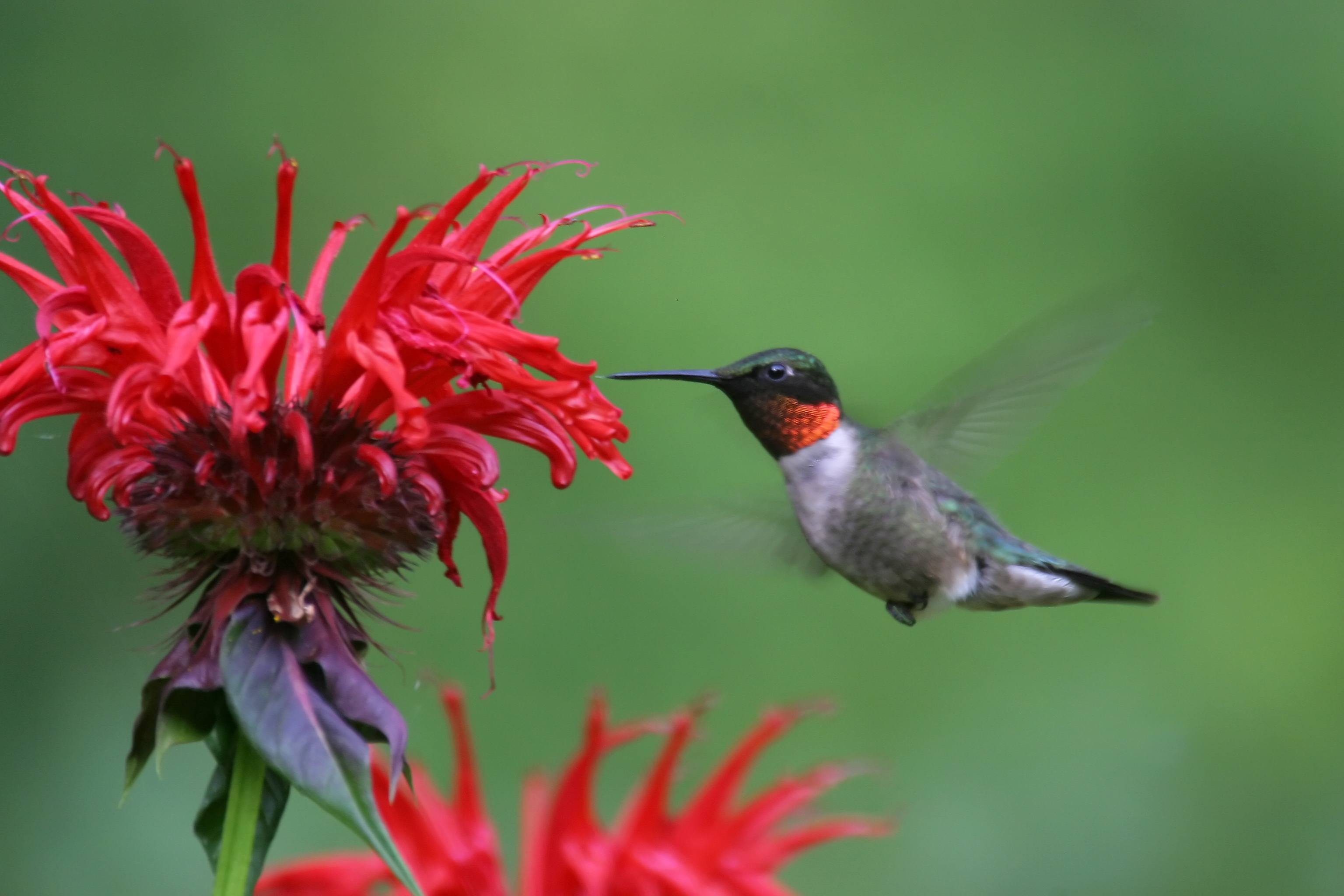
What type of symbiosis?  Hummingbirds feed on nectar from flowers.  The flowers are pollinated by hummingbirds as they move from flower to flower.
a)
commensalism
b)
mutualism
c)
parasitism
d)
predation
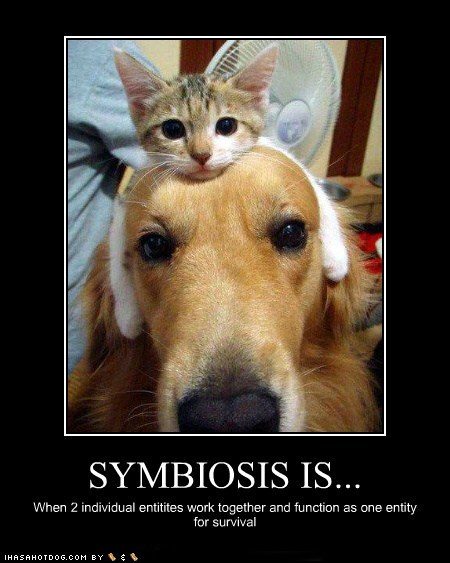
34.

A relationship in which two species live closely together.

a)

resource

b)

mutualism

c)

succession

d)

symbiosis

35.
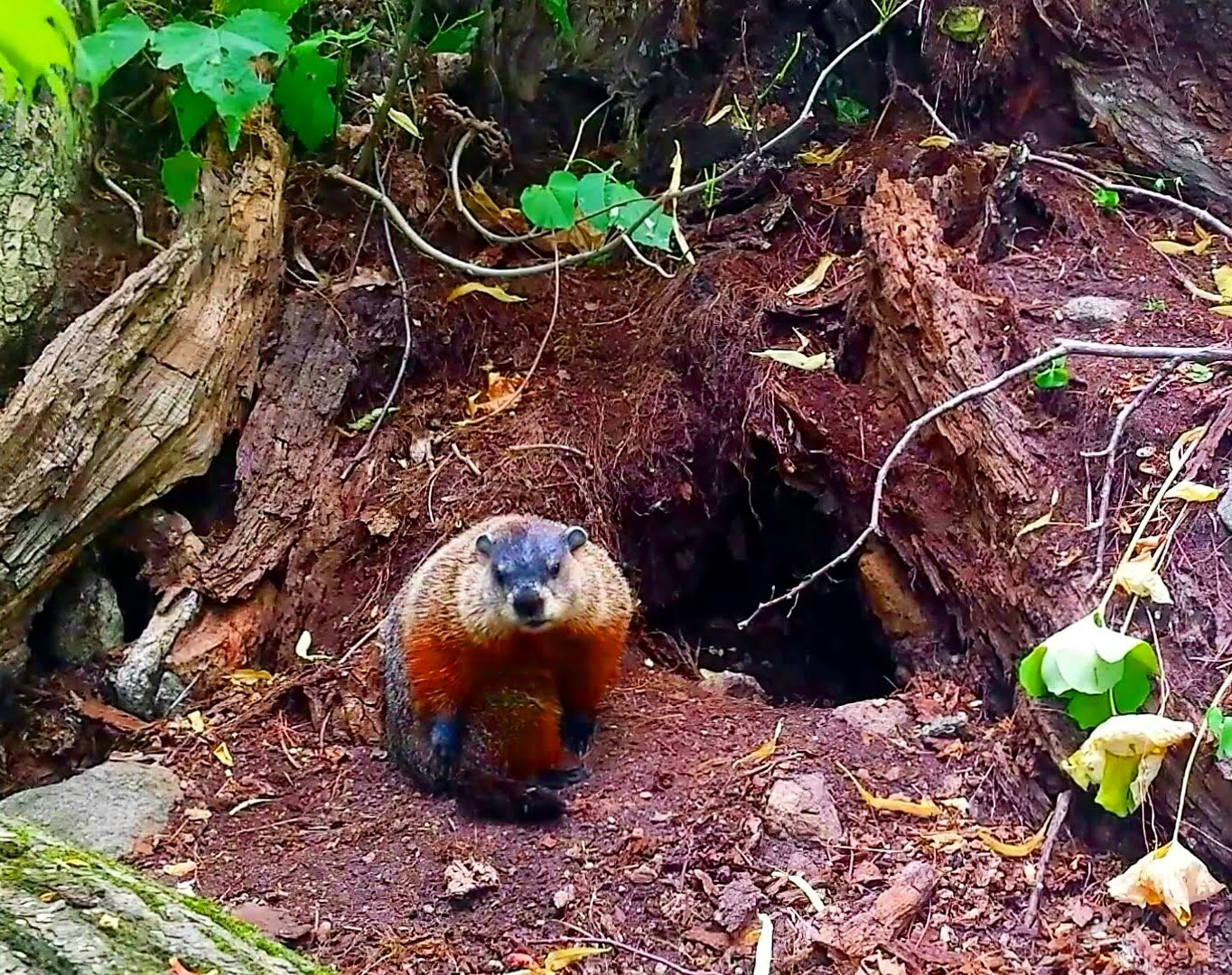
What type of symbiosis?  Skunks often live in burrows that have been dug and abandoned by woodchucks.  
a)
commensalism
b)
mutualism
c)
parasitism
d)
predation
36.
A frog eats a fly. The frog and fly are demonstrating ________.
a)
mutualism
b)
competition
c)
predator/prey
d)
parasitism
37.
The graph below shows atmospheric carbon dioxide levels since the year 1880.Which of the following conclusions can be drawn from this graph
a)
 Atmospheric carbon dioxide levels are responsible for global temperature change.
b)
 Atmospheric carbon dioxide levels have been rising at about the same rate for the past century.
c)
Atmospheric carbon dioxide levels have remained the same over the past century.
d)
 Atmospheric carbon dioxide levels have been rising at an increasingly higher rate as the past century has progressed.
38.
In an appropriately designed experiment, a scientist is able to test the effect of
a)
 a single variable
b)
 multiple variables
c)
 the hypothesis
d)
 scientific observations
39.
The name of the information that you get from your experiment (you organize it into charts and graphs).
a)
observations
conclusion
b)
data
c)
variables
d)
hypothesis
40.
This is the group that we will compare our experimental group to. This group stays "normal."
a)
Control Group
b)
Experimental Group
c)
 Normal Group
d)
Weird Group
41.

What is the purpose of cellular respiration?

a)

To make food

b)

to make energy in the form of ATP that the cell can use

c)

No purpose

d)

water

42.

packages and distributes proteins

proteins may be modified here

a)

golgi body

b)

chloroplast

c)

ribosomes

d)

lysosome

43.

outermost structure that gives support and shape to plant cells

a)

cell wall

b)

cell membrane

c)

mitochrondria

d)

cytoplasm

44.

protective barrier that encloses all cells

controls the movement of materials into and out of the cell

a)

cell membrane

b)

cell wall

c)

endoplasmic reticulum

d)

golgi body

45.

contains DNA, which has the information on how to make the cell's proteins

control center for the cell

a)

nucleus

b)

lysosome

c)

mitochondria

d)

endoplasmic reticulum