
 Worksheets
English III Honors Literature Exam Review 2021
Total questions: 200
Worksheet time: 4hrs 33mins
What is the storyteller's purpose for telling the story "The World on a Turtle's Back?"
To explain how the earth was created
To teach the Onondaga about why people have twins
To encourage modern society to respect nature
To foster hope for people entering the Sky World
What is significant about the items the two twins create?
They struggle to create items because they're mortal and were not born in the Sky World
The clay they use causes great strife between the brothers
The food chain created by them reflects the chaotic nature of their relationship
They create a balanced food chain and nature system on earth
Which of the following best describes the relationship between the two twins?
Resentment and violence
Outrage and compassion
Optimism and prevention
Annoyance and triumph
According to this myth, what element of the earth did not exist in the beginning?
sky
land
water
animals
According to this myth, in the beginning the gods lived
in the sky
in the water
on the earth
beneath the earth
At what point do the twins begin to fight with each other?
Before they are born
When they are born
When their mother dies
When their grandmother favors one over the other
How does the earth form in “World on the Turtle’s Back”?
The woman brought dirt with her from
Sky World.
The Great Spirit forms it.
Land already exists before the woman arrives.
A muskrat brings up soil from the ocean bottom, and the woman plants the roots in them.
How does the woman cause the plants to grow in “World on the Turtle’s Back”?
She waters it and chants over it.
She walks in a circle, following the Sun, around the clod of dirt.
The animals cause it to grow with their knowledge of life.
She prays over it.
What becomes of the grandmother in “World on the Turtle’s Back”?
She dies and is buried, the first to receive the Iroquois funeral rites.
Her body becomes the earth, from which food grows.
Her head becomes the moon, watching over the world.
She is cast into the ocean.
In "Coyote and the Buffalo," why does Coyote kick Buffalo Bull's skull?
Buffalo Bull had kicked Coyote first.
Buffalo Bull had scared Coyote repeatedly.
Buffalo Bull ran over Coyote and crushed his body.
Buffalo Bull had stolen all of Coyote's food.
What surprises Coyote after he kicks Buffalo Bull's skull?
Trees suddenly grow where Buffalo Bull's skull had been.
A lightning storm suddenly appears over Coyote.
Young Buffalo suddenly appears to defend Buffalo Bull's skeleton.
Buffalo Bull suddenly runs up behind Coyote.
Buffalo Bull is angry because
Coyote has powers that Buffalo Bull doesn't have.
Buffalo Bull has lost his herd to Young Buffalo.
Coyote tried to take away Buffalo Bull's horns.
Coyote has chased away Buffalo Bull's children.
Why does Coyote go with Buffalo Bull to find the herd?
Coyote wants to make more horns for all of the herd.
Buffalo Bull and Coyote are now friends.
Coyote wants to steal one of Buffalo Bull's children.
Coyote hopes to steal Buffalo Bull's new horns.
Buffalo Bull give Coyote the youngest cow to
finally get rid of the annoying Coyote.
thank Coyote for his help.
ask forgiveness for all of the things he had ever done to Coyote.
get his horns back from Coyote.
What causes Coyote to lose all of his food in this work?
his cleverness
his cowardice
his greed
his anger
What type of story is a type of folk tale that features an character who engages in deceit, violence, and magic?
a myth
a creation myth
an epic saga
a trickster tale
What are archetypal characters?
character types that can be found in literature from different cultures throughout time
the main character of a story that defies all of the obstacles that are in the character's way of his or her main goal.
character types that can be found in a specific culture during a set number of specific years
the antagonists of an epic story that all try to defeat the hero from accomplishing his main goal.
"General History of Virginia" According to John Smith, why was Wingfield a poor leader?
He lacked physical strength
He lacked courage
He let the men take advantage of him
He was corrupt
In what point of view is this selection written?
First person
Second person
Third person
Fourth person
What did President Wingfield do?
he gave away his portions of food
he fed stray animals his food
he kept the best food for himself
he let all the food rot
What were Smith's heroic actions?
he created a peace treaty with natives
he married Pocahantas
hunted for food, built houses ensuring survival of the colonists
killed the traitor Kendall
What happened when Smith was presented to Powhatan?
they released him back to Jamestown
they made him a member of their tribe
they clubbed him to death
Powhatan wanted to kill him but Pocahontas saved him
In “The General History of Virginia,” which of the following best describes why John Smith might have chosen to switch the point of view of the account after he becomes manager of the voyage?
The switch from first-person to third-person allows him to express more of his personal opinions instead of just objectively reporting the events.
The switch from third-person to first-person allows him to express more of his personal opinions instead of just objectively reporting the events.
The switch from first-person to third-person adds interest to the account because the reader is able to understand the events from a different perspective.
The switch from first-person to third-person makes the account seem more objective; it also allows him to praise his own accomplishments without sounding vain.
The switch from third-person to first-person makes the account seem more objective; it also allows him to praise his own accomplishments without sounding vain.
The first thing that the Mayflower passengers did when they landed on Cape Cod was
A. “Fell upon their knees and blessed the God of Heaven.”
B. “Tendered upon themselves to go to land and discover those nearest places.”
C. “Could not bear a knot of sail, but were forced to hull for divers days together.”
D. “Returned to the ship lest they should be in fear of their safety.”
Which detail shows that fairness was a cultural characteristic of the Puritans?
The colonists repaid the Nauset Indians when they took their food.
The Pilgrims left England so that they practice their religion they way they wanted to practice it.
A small group of Pilgrims cared for all of the others when they were sick.
The Pilgrims knew no one and had no homes when they arrived in North America.
7. Which of the following was a term of the treaty with Massasoit?
A “Neither he nor any of his should injure or do hurt to any of their people.”
B “We promise all due submission and obedience.”
C “When they came ashore they would use their own liberty.”
D “Dispose that not any one of them were either hurt or hit.”
The treaty dictated that when they met, the Native Americans should leave what behind?
bows and arrows
clothing and food
children
women and children
In her poem "Upon the Burning of Our House," Bradstreet mostly criticizes herself for-
Losing her faith in God's goodness
Failing to react quickly in an emergency
Not taking proper precautions against fire hazards
Valuing material possessions too much
When Bradstreet writes, "Thou hast an house on high erect..." (line 43) she means that
Whatever is destroyed can soon be rebuilt
God has prepared an eternal dwelling place for all believers
She is bitter about those people who still have homes
One should dwell upon the good things in life
In this
poem, who is the "mighty Architect"?
Bradstreet's Uncle
A kindly Puritan
God
The man who built Bradstreet's house
In the first stanza of "Huswifery," the speaker says, "Make me, O Lord, Thy spinning wheel complete." What housekeeping activity is being described?
Blacksmith tending his forge
using a spinning wheel to make yarn for weaving
washing the floors with a mop
Darning or sewing holes in socks
What are the 3 activities described in the poem? (one per stanza)?
candle making, curing meat, tanning hides
bowling, horseback riding, archery
spinning yarn, weaving cloth, making clothing
building a church, plowing fields, cutting corn
The speaker in "Huswifery" compares himself to a loom. Who or what is compared to the WEAVER?
his wife is the weaver
his mother is the weaver
his neighbor is the weaver
God is the weaver
As a preacher, Edwards uses his sermon "Sinners in the Hands of an Angry God" to
Raise money for his church
Persuade his congregation to revolt against England
Frighten his congregation into seizing the opportunity to come back to Puritanism and to accept salvation
Uplift his congregation, so that they will believe in God
What colony is the setting for the novel The Scarlet Letter?
Old England
Boston, Massachusetts
Amsterdam
Salem, Massachusetts
The protagonist of the novel is:
Master Dimmesdale
Roger Chillingworth
Hester Prynne
The jailer
Hester Prynne's initial punishment is to stand on top of a __________ showing the letter __________ on her chest.
scaffold, A
mountain, A
stage, A
chair, A
The letter A on Hester Prynne's chest stands for:
absolutely
amicable
anointery
adultery
Who is Master Dimmesdale?
Hester's lawyer
Hester's pastor
Hester's mailman
Hester's milkman
Roger Chillingworth is a _____________ who tends to the needs of Hester and her child.
physician
lawyer
computer programmer
all of these
In the first chapter, the symbol of hope is
the rosebush
the open prison door
the bright sunlight
the procession of dignitaries
How does Hester earn money for Pearl and herself?
She does needlework.
She does nice things for people.
She is on a type of welfare.
She goes on dates with people.
. Describe what is happening to Dimmesdale physically?
Nothing out of the ordinary is happening to him.
He is having trouble walking.
He is starting to get stronger.
It appears that he is dying.
Who is the “Black Man?”
Dimmesdale
Governor Bellingham
The devil
The sea captain that will take them away.
What request does Pearl ask Dimmesdale?
To stand with she and her mother on the scaffold
To not be so sad
To help her understand who her father really is
To stand with the Black Man on the scaffold
What type of conflict exists between Dimmesdale and the guilt of his sin?
man vs. man
man vs. self
man vs. nature
man vs. government


Who does Chillingworth leave all his possessions?
Hester
Pearl
Dimmesdale
Mistress Hibbins
What is the climax of the novel?
Hester and Dimmesdale meeting in the forest
Hester is placed on the scaffold to receive her punishment
Pearl asked her mother what the scarlet letter means
Dimmesdale confessing his sin in front of the townspeople
Who is considered the "father" of Transcendentalism?
Henry David Thoreau
Margaret Fuller
Ralph Waldo Emerson
Robin Williams
Transcendentalists believe that ___________ , humanity, and nature share a universal soul.
God
Animals
Literature
Government
Transcendentalists believed all people are inherently:
good
evil
neutral
bad
In "Thanatopsis" the speaker suggests that you should go outside and enjoy nature's beauty when
family members die
you wish to go to sea
you worry about death
friends seem thoughtful
The poet that wrote, Thanatopsis, was named
Bill C. Brian
William Cullen Bryant
Jonathan Edwards
Abigail Edwards
What is the central theme of Thanatopsis?
The devil likes tricking folks
Death is personified and given human characteristics
Death comes to everyone
Death is spooky and should be avoided
The author's main purpose in warning people against "foolish consistency" is to __.
warn people against listening too closely to others' advice
encourage a return to traditional beliefs and values
help people earn more respect among their peers
tell us to be open-minded and willing to change our minds
To which literary movement can Thoreau be associated?
Transcendentalism
Realism
Anti-Transcendentalism
Romanticism
Thoreau can best be described as
nonconformist
conformist
socialist
politician
Why was Thoreau jailed?
He refused to pay his poll tax.
He was caught helping with the Underground Raildroad.
He was wearing a green suit instead of black.
He was trespassing on Walden Pond.


"I wanted to live deep and suck out all the..."
joy of life
nature of life
marrow of life
fun of life
A word Thoreau repeats throughout "Walden" is
"nature, nature, nature"
"resist, resist, resist,"
"think, think, think"
"simplicity, simplicity, simplicity"
What is Thoreau's purpose or central message?
People can find satisfaction in living simply despite the contemporary influence of conformity and consumerism.
People should conform to societal norms in order to live comfortably warm for the rest of their lives.
People should be allowed to live above their means if they so choose to do so.
American society in the 1840's valued taking care of the environment.
In "The Devil and Tom Walker," why are Tom and his wife so unhappy?
They are greedy and argue about money
They are greedy and have no children
They work too much and are tired
What was buried at the inlet across from Charles Bay?
Captain Jack Sparrow's buried treasure
The Indians' savings
Kidd the Pirate's buried treasure
Everyone who sold their soul to the devil
How did Tom Walker meet the devil?
He took a shortcut home through the swamp and stopped to rest.
He buried something at a crossroads.
He found him at the bank.
He heard a voice calling to him in the swamp.

How does Tom Walker refer to the devil?
Old Scratch
The Black Miner
The Wild Huntsman
The Black Woodsman

Why did Tom initially refuse to go meet with the devil?
He did not want to sell his soul.
He wanted to spite his wife.
He was not interested in the devil's offer.
He was already wealthy.

What happened to Tom's wife?
She died by natural causes.
The devil killed her.
She disappeared.
She eloped with another man.

What did Tom find in the checkered apron that belonged to his wife?
a heart and liver
his silver teapot and spoons
nothing
the buried treasure

On what does the devil insist in order to reveal the whereabouts of the treasure?
that Tom build a slave ship
that Tom become a usurer
that Tom use the treasure "in his service"
none of the answers
When Irving describes Tom going to church and being a "violent" churchgoer, who is he satirizing?
All church goers
Church goers who point out the sins of others to make themselves look better.
Loan sharks who go to church.
Wives
What does the destruction of Tom's wealth best symbolize?
The impermanence of material wealth
The depravity of Tom's soul
The treasure was never real
None of these
In "The Masque of the Red Death," what had long devastated the country?
fever
black death
red death
lice
Why did Poe use a masquerade ball in the story?
because he loved to party
his wife loved to wear masks
to show that you can't hide from death
because the Prince was a party animal
Which of the following suggested that the revelers would not live long?
the white room
the locked gates
the dagger
the ebony clock

The time setting of the poem "The Raven" is...
midnight in December
noon in July
midnight in August
noon in December

The place or where setting of the poem is a...
study/library room
kitchen
bedroom
dining room

The mood or atmosphere created by the setting is...
joyful
peaceful
gloomy
romantic

The speaker is about to nap or nod off when he hears...
tapping on his door
a raven talking
a visitor's voice
wind from a storm

The speaker thinks that the tapping he hears on the door is...
Lenore
a raven
a visitor
an angel

The speaker's sorrow or sadness was caused by the death of...
his pet raven
his love Lenore
his mother
his friend

When the speaker opens his window he sees...
a raven
nothing/darkness
Lenore
angels

The raven perches on a bust of Pallas or...
Apollo
Aphrodite
Hades
Athena

In Greek mythology, Athena or Pallas was the goddess of...
marriage
beauty
the underworld
wisdom

When the speaker says that the Raven will leave him like his friends and hopes, the Raven says...
yes
evermore
nevermore
no

When the speakers says that his friends and hopes have left him, it means that he is feeling...
joyful
alone
scared
amused


the repetition of a vowel sound
denotation
alliteration
connotation
assonance
Internal rhyme in poetry is occurs when ___________________.
words rhyme a the end of the lines
there are a series of stressed and unstressed syllables
words rhyme within the lines of a poem
the words in a poem do not rhyme
What is the rhyme scheme of the stanza of the poem?
I stood beside a hill
Smooth with new-laid snow.
A single star looked out
From the cold evening glow.
ABCA
AABB
ABCB
AABC
"I must confess that in my quest I felt depressed and restless." ---
is an example of
rhyme
assonance
personification
symbolism
Who is the narrator of the novel Moby Dick ?
Moby Dick
Captain Ahab
Queequeg
Ishael
What was Ishmael's occupation before meeting Queequeg?
school teacher
sailor
whaler
merchant
Who is Moby Dick?
A captain
A shark
A whale
A member of the crew
Why does captain Ahab want revenge?
because the whale ate his arm
because the whale killed his best friend
because the whale killed his wife
because the whale ate his leg
What do whalers use in hunting whales?
bows and arrows
swords
fishing nets
harpoons
The first words of this book are
Call me Ishmael
Call me Ahab
Call me Queequeg
Which type of conflict exist in Moby Dick?
Man vs. Man
Man vs. Himself
Man vs. Nature
All of the above
Ishmael hangs on to a ____________ at the end of the story.
coffin
barrel
log
life jacket
What is the name of the character who challenges and resists Ahab's madness and lust for revenge?
Ishmael
Queequeg
Starbuck
Mr. Stubb
What was Captain Ahab obsessed with?
Finding Moby Dick
Killing Moby Dick
Whaling
Getting his leg back from Moby

What makes Queequeg stand out?
His face and hair colour
He has a whalebone leg
He is big and has tattoos all over his body
He is big and has dark hair all over his body
What did they cut from the whale?
Blubber
tail
tongue
stomach
Who couldn't work as a whaling boatman and fell into the sea a few times?
Stub
Queequeg
Pip
In which state is the story "Of Mice and Men" set?
California
Oaklahoma
Texas
Utah
Why does Carlson want to shoot Candy's dog?
He thinks the dog is mean
He thinks the dog is ugly and reminds him of a drowned rat
The dog is too old to be of any use and stinks
He just hates dogs. He's more of a cat guy.
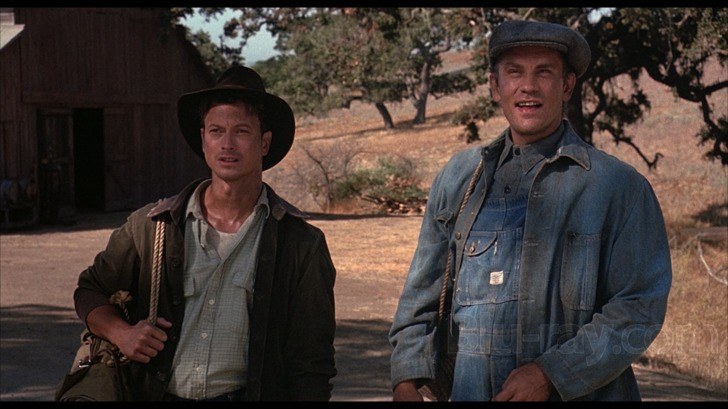
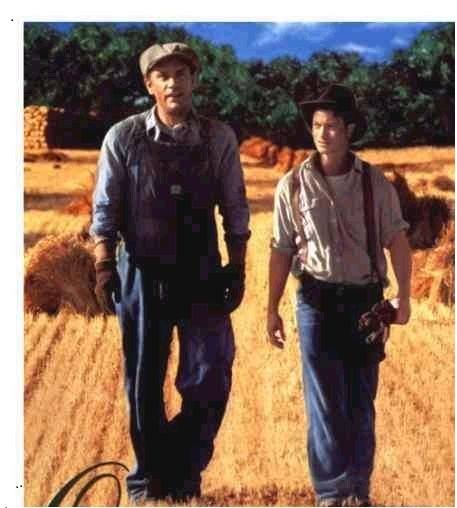
Match the theme with the quotes from the book
"S'pose you didn't have nobody. S'pose you couldn't go into the bunk house and play rummy 'cause you was black. How'd you like that? S'pose you had to sit out here an' read books. Crooks
American Dream
Friendship
Disability
Loneliness
Match the following Quote to the theme:
"I got you to look after me, and you got me to look after you.”
American Dream
Disability
Friendship
Loneliness
Match the following Quote to the right theme:
"How's it gonna be. We gonna get a little place." "We'll have a cow," said George. "An' we'll have maybe a pig an' chickens ... an' down the flat we'll have a ... little piece alfalfa—"
American Dream
Friendship
Loneliness
Disability
Match the following Quote with the theme:
"He says he was gonna put me in the movies. Says I was a natural. Soon's he got back to Hollywood he was gonna write to me about it." Curley’s Wife
Friendship
American Dream
Disability
Loneliness

