
 Worksheets
Macromolecules
Total questions: 40
Worksheet time: 19mins
Name
Class
Date
1.
Proteins are made of monomers called ___________.
a)
Nucleotides
b)
Monosaccharides
c)
Amino Acids
d)
Glycerol and fatty acids
2.

Which major macromolecule is being represented in this image?
a)
carbohydrate
b)
lipid
c)
protein
d)
nucleic acid
3.

What type of macromolecule is being represented in this image?
a)
carbohydrate
b)
lipid
c)
protein
d)
nucleic acid
4.
What are the single sugars that are the building blocks of carbohydrates?
a)
monosaccharides
b)
disaccharides
c)
polysaccharides
d)
amino acid
5.
The element _______is found in all of the organic compounds.
a)
Iron
b)
Nitrogen
c)
Carbon
d)
Oxygen
6.
DNA and RNA are examples of
a)
Carbohydrates
b)
Lipids
c)
Proteins
d)
Nucleic Acids
7.
Nucleotides are monomers of
a)
Carbohydrates
b)
Lipids
c)
Proteins
d)
Nucleic Acids
8.
Waxes, oils and fats are examples of
a)
Carbohydrates
b)
Lipids
c)
Proteins
d)
Nucleic Acids
9.

Which macromolecule is shown?
a)
lipid
b)
protein
c)
nucleic acid
d)
carbohydrate
10.
What type of macromolecule are enzymes?
a)
Protein
b)
Carbohydrate
c)
Lipid
d)
Nucleic Acid
11.
Carbohydrates are made of...
a)
C H O
b)
C H O N
c)
C H O N P
d)
C H O N S
12.
Lipids are made of...
a)
C H O
b)
C H O N
c)
C H O N P
d)
C H O N S
13.
Proteins are made of...
a)
C H O
b)
C H O N
c)
C H O N P
d)
C H O N S
14.
Which macromolecule stores energy, insulates us, and makes up the cell membrane?
a)
lipids
b)
proteins
c)
carbohydrates
d)
nucleic acids
15.

Is found in the cell membrane as a bilayer.
a)
lipids
b)
protein
c)
nucleic acid
d)
carbohydrate
16.

What is the primary function of carbohydrates in your body?
a)
Speed up chemical reactions.
b)
Give immediate energy.
c)
Help to store energy.
d)
Build cell walls in plants.
17.
Which is an example of a lipid
a)
fat
b)
starch
c)
glucose
d)
hemoglobin
18.

Glycerol and fatty acids combine to form...?
a)
Carbohydrates
b)
Lipids
c)
Proteins
d)
Nucleic Acids
19.
Macromolecule responsible for long term energy storage in mammals.
a)
Protein
b)
Lipid
c)
Carbohydrate
d)
Nucleic Acid
20.
The word saccharide means:
a)
sugar
b)
glucose
c)
sweetener
d)
carbohydrate
21.
Important to the structure of plant cells, we cannot digest this carb very well.
a)
Starch
b)
Glycogen
c)
Cellulose
d)
Chitin
22.
Enzymes will make a reaction go _______ and use ______ energy.
a)
faster, less
b)
faster, more
c)
slower, less
d)
slower, more
23.

Provides insulation and in cell membranes.
a)
lipids
b)
proteins
c)
carbohydrates
d)
nucleic acids
24.
Which factor denatures a enzyme?
a)
Excessive heat
b)
Nothing can
c)
Exposure to light
d)
Exposure to bacteria
25.
A monomer is ...
a)
a single atom
b)
a building block for polymers
c)
a single element
d)
is an inorganic molecule
26.
Which of the following is an example of a nucleic acid?
a)
Glucose
b)
Phospholipid
c)
Enzymes
d)
DNA
27.
What is the function of a nucleic acid?
a)
Stores genetic information
b)
Stores energy
c)
Quick source of energy
d)
Builds structures
28.
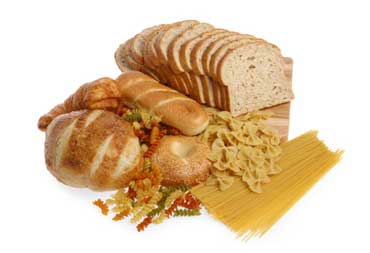
Which biomolecule is found in pasta and bread?
a)
Lipid
b)
Protein
c)
Nucleic Acid
d)
Carbohydrate
29.

Which biomolecule is a main source of quick energy?
a)
Nucleic Acid
b)
Protein
c)
Lipid
d)
Carbohydrate
30.
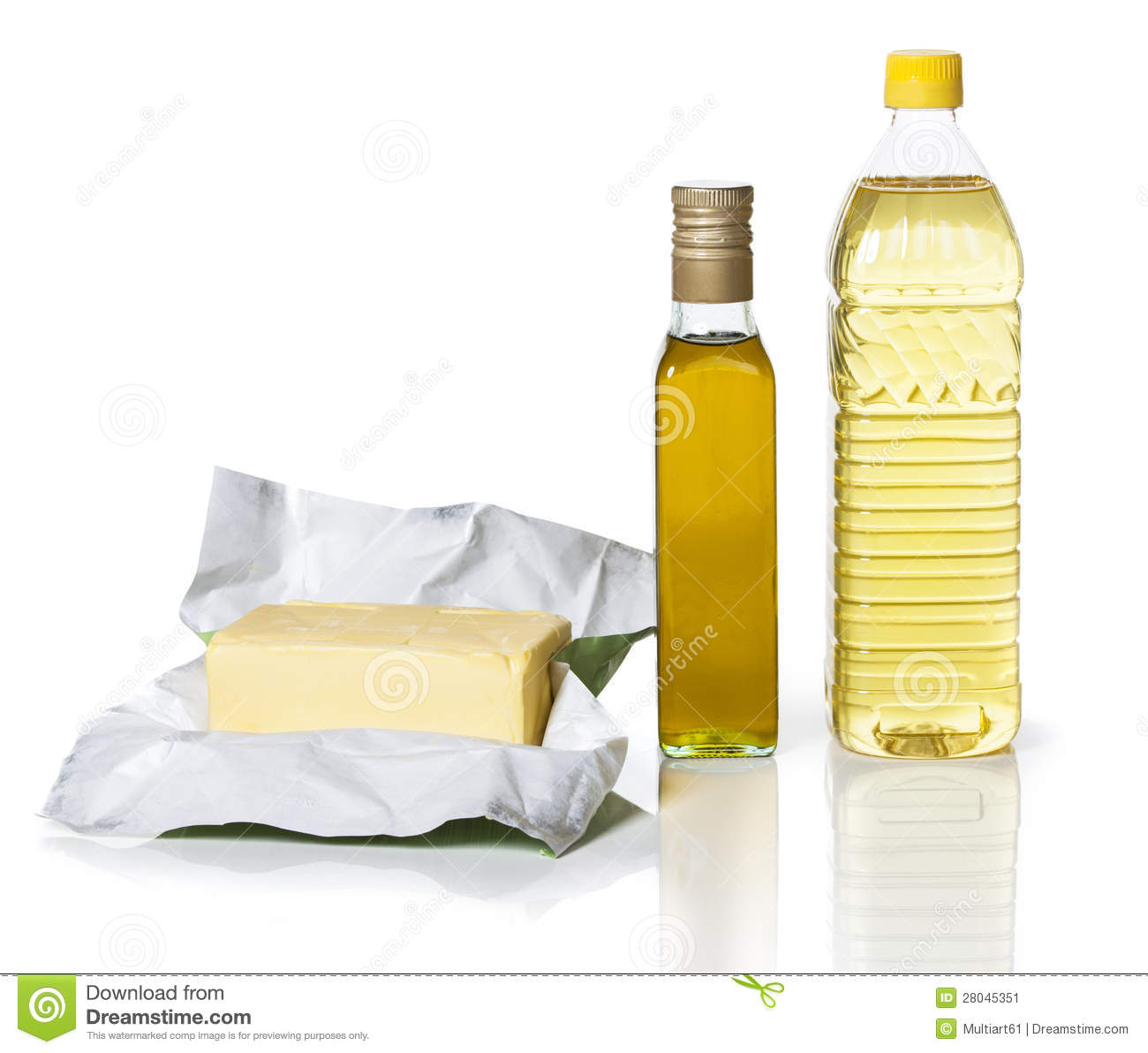
Which biomolecule is found in fats, oils, and waxes and is a source of long-term energy?
a)
Proteins
b)
Nucleic Acid
c)
Lipids
d)
Carbohydrate
31.
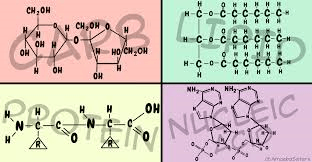
What elements are common to all 4 biomolecules?
a)
Carbon, hydrogen, nitrogen
b)
Carbon, Nitrogen, Phosphorus
c)
Carbon, Hydrogen, Oxygen
d)
Carbon, Hydrogen, Phosphorus
32.

Which biomolecule helps form muscles?
a)
Nucleic Acid
b)
Carbohydrates
c)
Protein
d)
Lipids
33.

Which macromolecule is pictured?
a)
nucleic acid
b)
protein
c)
carbohydrate
d)
lipid
34.

Enzymes belong to which group of molecules
a)
carbohydrates
b)
proteins
c)
lipids
d)
nucleic acids
35.
Water is used to break bonds between polymers
a)
dehydration synthesis
b)
Hydrolysis
36.

The following figure is illustrating
a)
Dehydration Synthesis
b)
Hydrolysis
37.
The process of removing water in order to form a bond between monomers is called....
a)
Dehydration Synthesis
b)
Hydrolysis
38.

The following figure is illustrating
a)
Dehydration Synthesis
b)
Hydrolysis
39.

This molecule is a ____.
a)
adenosine triphosphate
b)
polysaccharide
c)
phospholipid
d)
nitrogen base
40.
Which of the following macromolecules is nonpolar and hydrophobic?
a)
carbohydrates
b)
lipids
c)
proteins
d)
nucleic acids
100 %

