
 Worksheets
SCIENCE Multiple Choice
Total questions: 60
Worksheet time: 2hrs 0mins
What is the energy source for the water cycle?
sun
wind
rain
oceans
What are clouds made of?
dry air
water
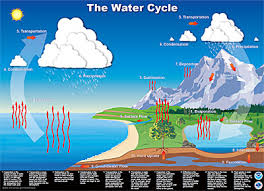
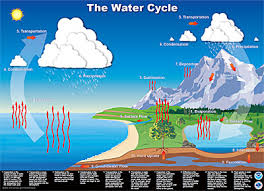
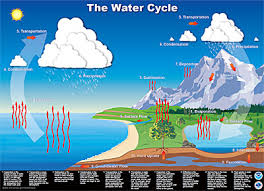

What do we call water in its gas state?
rain
snow
ice
water vapor


What happens if you do not drink enough water?
You might feel full of energy.
You might feel tired and get a headache.
Your fingers and toes may hurt.
You might get earache.

Which of these is NOT a way we lose water from the body?
Scratching.
Going to the toilet.
Sweating.
Breathing (respiration).

If you don't drink any water, how long can a human go without water?
1 week.
5 days.
3 weeks.
3 days.

All living things need air. True or false.
true
false

What is wind?
Moving air
stopped air

Strong and fast moving wind is called
Storm
wind
rain

Which property of Air shown in the image?
Air has weight
Air is needed for burning
Air has no weight.
True
False

Windmills are used to produce
rain
electricity

Which property of air is represented in the picture.
Air occupies space
Air has weight
The large part of the air is covered by ___________.
Nitrogen
Oxygen
Air is a _________ of several of gases.
Solution
Mixture
_________ from air is used for breathing and burning.
Carbon dioxide
Oxygen
The covering of air around the earth is called ____________.
water vapour
atmosphere
How long have rocks been around?
a few months
a few years
millions and billions of years
How many main kinds of rocks are on earth?
one
two
three
too many to count
The THREE main types of rocks on earth are named . . .
eggneous, sedamentary, metamorfic
igneous, sedimentary, metamorphic
igneus, sedamantary, metemorphic
igneaus, sadimentary, matemorfic
I am the main type of rock that is created from hot lava that cools. What type of rock am I?
metamorphic
sedimentary
igneous
I am the main type of rock that has been changed by extreme heat or pressure. What type of rock am I?
metamorphic
sedimentary
igneous

The hot liquid inside the Earth is called ...
CRUST
BEDROCK
MAGMA
VOLCANO

Liquid that flows when a volcano erupts
WATER
MUD
LAVA
MAGMA

The outside part of our planet is called...
CRUST
BEDROCK
SOIL
MAGMA
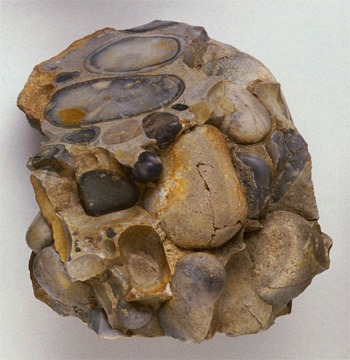

What type of rock is this?
Sedimentary
Igneous
Metamorphic
Sand

Describes a group of living things that are no longer living.
fossil
extinct
endangered
dinosaur

Making air, land and sea dirty.
Pollution
Waste
Poison

Look at the picture! How can we save the ocean?
We should throw away trash in the ocean.
We shouldn't clean the ocean.
We shouldn't throw away rubbish in the ocean.
The _________ is the thickest layer.
crust
mantle
outer core
inner core
The _________ is the thinnest layer.
crust
mantle
outer core
inner core
(a) is melted rock found at the bottom of a volcano.
(a) are dead remains of plants and animals inside a rock.
Name 2 uses of water
Water helps to cool the body temperature through
perspiration/sweating
breathing
drinking water
The earth's surface is covered by ___ of water.
70%
80%
75%
____ means losing too much water from the body.
Sweating
Dehydration
Tiredness
The water cycle regulates the earth's climate.
true
false
The particles of air move freely.
true
false
When we breathe oxygen enters the ____. It is transported by the ___ to all parts of the body.
blood
lungs
nose
heart
Oxygen combines with food to give us ___ .
food
energy
health
A (a) is when there is just slight movement of wind.
Air is composed of.... and ..... .
nitrogen
carbon dioxide
oxygen
particles
(a) are things that are formed in nature.
Removal of rocks can lead to
clearing of the land for building
soil erosion
crushed stones

